Choose for your specific allergen first, then compare preparation format and value among products whose current ingredient and precautionary statements fit that need. A gluten-free claim does not by itself address wheat, milk, nut or peanut concerns, while standard sachets and ready-to-add-water pots can involve different preparation trade-offs.
Who this is for
Shoppers managing a gluten-related requirement
Check gluten-free wording separately from wheat-allergy suitability and from other allergens in the recipe. Current Quaker, Sainsbury's and M&S product information shows that these checks can lead to different decisions.
Households avoiding milk, nuts or peanuts as well as gluten
Read the exact ingredient list and any cross-contact statement on each pack. A gluten-free porridge pot can still contain milk or carry a nut or peanut unsuitability statement.
Value-focused shoppers who need quick preparation
Compare pack formats and preparation methods only after allergen screening. Sachets, hot-water pots and plain oats serve different breakfast routines.
Buying priorities
Start with the current pack label, then compare the format, portions and preparation method among products that fit your allergy-management plan.
| Priority |
What to check |
Your needs |
| Allergen and cross-contact information |
Read the ingredient list for the allergen you avoid; check may-contain and manufacturing statements; use the current physical pack before consuming. |
I need to know about both listed ingredients and possible cross-contact, rather than assuming a familiar oat product is suitable. |
| The specific allergy requirement |
Separate gluten-free status from wheat-allergy suitability; check for milk, nut and peanut statements; consider oat avenin only where it is relevant to your own plan. |
A gluten-free claim may matter to me, but it does not answer every allergy question I need to consider. |
| Usable format and preparation |
Compare portions, sachets versus pots, required equipment and liquid; compare like-for-like pack formats only after the allergen check. |
I want a breakfast format that works at home, at work or while travelling without compromising the label checks I rely on. |
Common pitfalls
-
Buying the cheapest-looking sachets before reading the warning
A standard sachet can carry a manufacturing-method warning relevant to peanuts, nuts, milk, wheat or barley. Sainsbury's gives this warning for its reviewed Original sachets.
Screen ingredients and precautionary information on the exact pack before comparing formats or pack sizes.
A pack that conflicts with your allergy-management plan may not be usable in the household.
-
Treating “gluten free” as a universal allergy-safe claim
Gluten-free examples can still have different limits: Sainsbury's notes that a reviewed Quaker gluten-free sachet may not suit a wheat allergy, while other reviewed pots contain milk or have nut and peanut cautions.
Match the label to the particular allergen you avoid, including any ingredient and precautionary statement relevant to your household.
-
Comparing a pot with a sachet without considering how it is used
A hot-water pot supplies its own container, while a sachet may need a bowl, liquid and microwave access. These formats solve different practical problems.
Decide whether portability and boiling-water preparation are necessary, then compare only products that have already passed your allergen check.
-
Assuming all plain oats have the same cross-contact status
A short ingredient list does not settle every allergy question. Quaker Original products can carry wheat, barley or soya may-contain statements, and a plain quick-oat listing may not state the information needed for a particular allergy.
Check the current allergen and precautionary information for the exact pack instead of relying on the product type alone.
Relevant brand references
Quaker / Oat So Simple
A Quaker line covering microwaveable original sachets, gluten-free sachets and hot-water pots for shoppers seeking short preparation times.
- Quaker UK lists its reviewed Original sachets as wholegrain oats, with a stated two-minute preparation time.
- Quaker UK states that the reviewed Original sachets may contain wheat, barley and soya; its gluten-free sachets still need a separate wheat-allergy check.
Sainsbury's
Own-brand choices include original sachets, hot-water pots and a Free From instant pot, allowing a comparison of standard and gluten-free convenience formats.
- The reviewed Free From Original Pot is labelled gluten free and states that its oats are sourced free from gluten cross-contamination.
- Sainsbury's lists skimmed cows' milk powder in that pot, while its reviewed Original sachets carry a manufacturing-method warning for several allergens.
M&S Made Without
M&S Made Without includes gluten-free porridge and oat products, including a hot-water Golden Syrup Porridge pot.
- M&S states that the oats in its reviewed Golden Syrup Porridge are sourced free from gluten cross-contamination.
- That reviewed pot contains dried whole milk and is marked unsuitable for nut and peanut allergy; another M&S porridge product includes barley and milk.
Flahavan's
Flahavan's offers plain Irish Quick Oats for shoppers who want to choose their own liquid and toppings while using a quick microwave method.
- Flahavan's lists 100% wholegrain rolled oats and a stated two-minute preparation time for its reviewed Irish Quick Oats.
- Check the current pack before choosing it for a food-allergy need, as the reviewed product page does not establish suitability for a specific cross-contact allergy.
Joybuy product options
These Joybuy options include microwaveable portioned sachets and plain oats for households that want to control their liquid and toppings. Check the current pack against your specific allergy requirements before deciding which format suits your routine.
 No image available
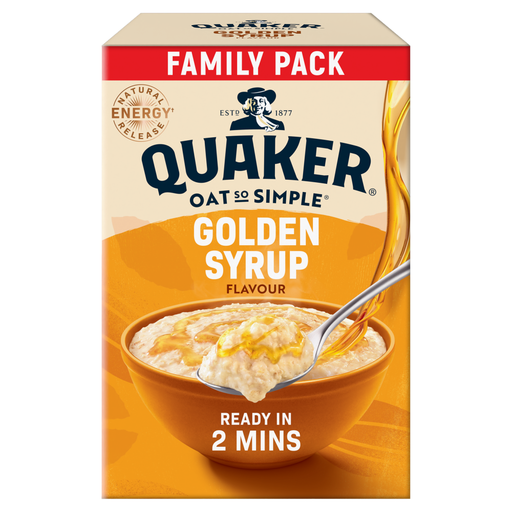
Quaker Oat So Simple Family Pack Golden Syrup, 20 Sachets 720g
A portioned microwave option for repeatable quick breakfasts where its allergen statement fits the household plan.
Contains 20 x 36g sachets; stated microwave preparation is two minutes with approximately 180ml milk. The listing states may contain barley, wheat and soya.
Joybuy
 No image available
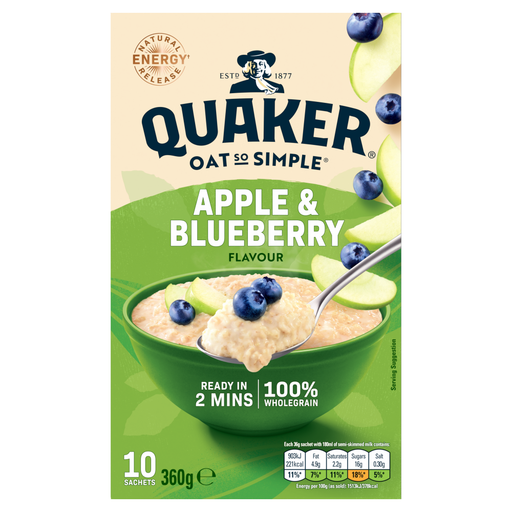
Quaker Oat So Simple Apple & Blueberry Porridge, 10 Pack 360g
A flavoured, single-serve choice for a quick breakfast where microwave preparation is available.
Ten 36g portions are stated to be ready in two minutes. The listing identifies oats and may-contain wheat, barley and soya statements.
Joybuy
 No image available
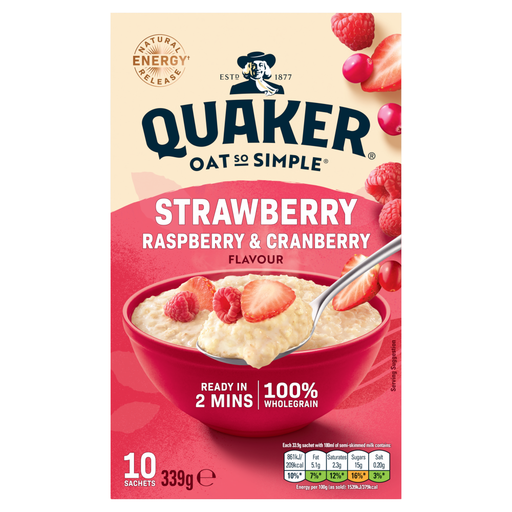
Quaker Oat So Simple Strawberry, Raspberry & Cranberry, 10 Sachets 339g
A portioned flavoured porridge option for busy breakfasts when the stated allergens are compatible with your needs.
Contains 10 x 33.9g sachets with a stated two-minute microwave method. The listing states may contain barley, soya and wheat.
Joybuy
 No image available
Quaker Oat So Simple Big Bowl Original, 6 Pack 231g
A larger plain-oat sachet for shoppers who want to choose their own liquid or toppings at home.
Includes six 38.5g sachets with a stated two-and-a-half-minute microwave preparation time. Check the current pack for gluten-free status and precautionary allergen information relevant to your household.
Joybuy
 No image available
Morrisons Free From Gluten Free Oats, 1kg
A plain-oat option for households that prefer to control additions, subject to using a preparation method that suits their routine.
The listing describes 100% gluten-free oat flakes, gluten-free and wheat-free status, and 25 stated 40g portions. Check the current pack for precautionary allergen information and preparation instructions.
Joybuy
Frequently asked questions
Does “gluten free” mean an instant oat product suits every food allergy?
No. It addresses gluten status, not every other allergen. Sainsbury's notes that reviewed Quaker gluten-free sachets may not suit a wheat allergy; its reviewed Free From pot contains skimmed cows' milk powder, while the reviewed M&S gluten-free pot is marked unsuitable for nut or peanut allergy.
What does a “may contain” or manufacturing-method warning mean for instant oats?
The Food Standards Agency describes precautionary allergen labelling as information that a regulated allergen could be unintentionally present through cross-contact. Treat it as part of your individual safety decision rather than as an ingredient list or an automatic sign of suitability.
Should I rely on a retailer webpage instead of the packet?
No. Use online information to shortlist products, then read the current physical pack before consuming. Sainsbury's and M&S both advise customers to check the label because ingredients and allergen information can change.
Are porridge pots better value than sachets?
Not automatically. A pot may be useful when its own container and boiling-water preparation solve a practical need, whereas sachets may require a bowl, liquid and microwave access. Compare formats only after confirming allergen suitability for the exact product.


