Occasional oat-bread bakers buying one pack
Choose a format that provides enough dry oats for one loaf or a small batch without leaving a large pantry supply. With portion sachets, compare the recipe quantity with the grams in each sachet.


For oat bread, choose dry, unflavoured oats when you want the recipe’s sweetness, dairy content and liquid balance to remain under your control. If the recipe specifies traditional or jumbo rolled oats, that remains the more suitable route for texture; check the ingredient list and total dry weight before relying on sachets or a porridge pot.
Choose a format that provides enough dry oats for one loaf or a small batch without leaving a large pantry supply. With portion sachets, compare the recipe quantity with the grams in each sachet.
Match the oat texture and hydration behaviour intended by the recipe. Quaker presents its jumbo oats as suitable for baking, while no source establishes that instant oats are a universal like-for-like substitute.
Check the current pack rather than assuming ordinary oats are gluten-free. Coeliac UK notes that standard oats can be contaminated with wheat, barley or rye during production.
Start with the recipe’s oat type and ingredients, then confirm that the pack contains enough dry oats for the quantity you plan to bake.
| Priority | What to check | Your needs |
|---|---|---|
| Plain ingredients | Read the ingredient list for sugar, milk, whey or flavourings. Prefer dry oats when the recipe does not call for those ingredients. | I want a savoury or neutral oat loaf, so I need the oats to add flavour and ingredients only where the recipe intends them. |
| Oat format | Follow the oat type named in the recipe. Jumbo and traditional oats, quick oats and instant porridge products can differ in texture and liquid handling. | The loaf’s texture matters to me, so I want the oat cut to match the dough or topping described in the recipe. |
| Pack quantity | Compare the recipe’s dry-oat weight with the grams per sachet, pot or bag. A single retail unit can contain several portions. | I may only be making one loaf, but I still need enough measurable dry oats rather than assuming one serving equals one recipe portion. |
| Gluten-free and allergens | When required, look for an explicit gluten-free label and check the current allergen declaration. Check preparation equipment as well as the oats. | If I am baking for someone with a gluten-free or allergen-related requirement, I need a pack that fits that requirement and a suitable preparation process. |
Flavoured products can contain sugar, milk, whey and flavourings, which may change a savoury loaf’s flavour, liquid balance and allergen profile.
For a standard oat bread, begin with plain dry oats. Use a flavoured product only when the recipe is designed around its listed ingredients and you have adjusted the recipe deliberately.
Instant oats are made for quick, creamy porridge, while Quaker describes its whole uncut jumbo oats as suitable for baking. The chosen oat type can affect loaf texture and hydration.
Use the oat type named in the recipe where possible. If substituting instant oats, try a small batch instead of assuming the same measure and liquid will work.
Coeliac UK states that standard oats may be contaminated with gluten-containing grains during production.
Where gluten-free suitability is required, choose oats labelled gluten-free and check the current pack and preparation controls.
Ingredient, nutrition and allergen information can change when a product is reformulated.
Check the physical pack or current product information immediately before purchase and before baking for another person.
A UK oat range spanning Oat So Simple sachets and pots alongside traditional rolled and jumbo oats, allowing a choice between convenience and a baking-oriented oat format.
A supermarket own-label route with 55g instant porridge pots and multi-sachet oat formats for shoppers choosing one retail pack rather than a large bag.
A quick-oat range with natural quick oats in drum, sachet and pot formats for shoppers seeking a plain quick-oat product rather than a flavoured porridge blend.
Joybuy product options for bread baking include portioned instant-style oats, jumbo and traditional rolled oats, and plain oat flakes for recipes with specific texture or gluten-free requirements.
 Image unavailable
A portioned option for a trial loaf when plain dry oats and measured additions are important.
Six 38.5g sachets; listed ingredient: wholegrain rolled oats only.
Check the recipe if it specifies traditional or jumbo oats, as this instant-style format may handle liquid and texture differently. Verify the current pack if gluten-free suitability is required.
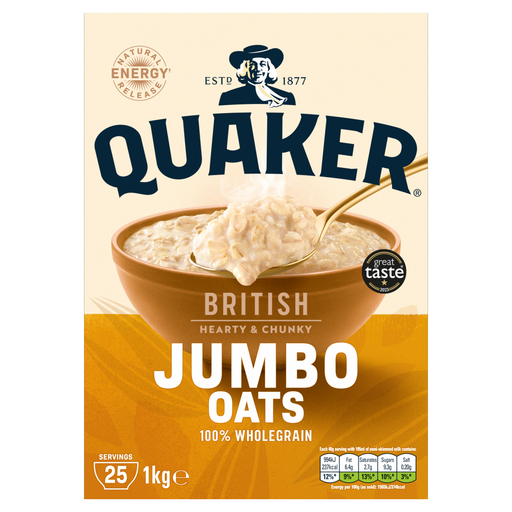 Image unavailable
A jumbo rolled-oat alternative for bread recipes where oat texture is central.
1kg pack; listed as 100% wholegrain oat flakes and suitable for baking.
This is not an instant-oat option or a small pack. The listing states it may contain traces of wheat, so it is not a confirmed gluten-free choice.
 Image unavailable
A plain oat-flake option for baking where a gluten-free oat product is required.
1kg pack; listed as 100% gluten-free oat flakes and suitable for baking.
It is not presented as instant oats or pre-portioned sachets. Check that the flake size suits a recipe written for instant or jumbo oats.
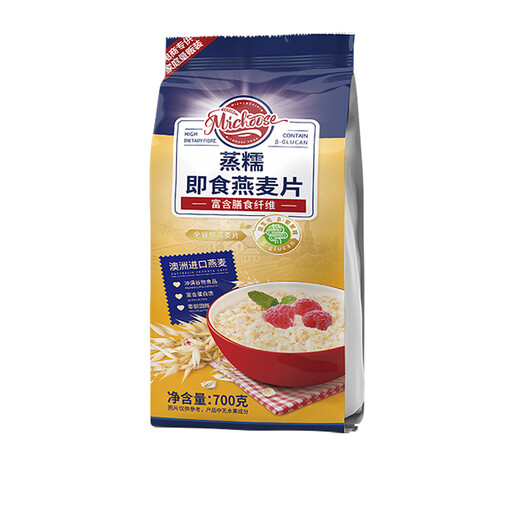 Image unavailable
A larger plain instant-oat supply for several small recipe trials.
700g bag; described as instant oatmeal with 100% pure oatmeal and no listed additives.
Check whether its cut and processing suit a recipe written for rolled or jumbo oats, and verify the current pack if gluten-free suitability is needed.
 Image unavailable
A plain rolled-oat option for recipes seeking a thicker rolled-oat texture rather than flavoured instant porridge.
1kg pack; listed as 100% rolled oats with no additional ingredients.
This is not an instant-oat or small-pack option. The listing states it may contain wheat and barley, so it is unsuitable where gluten-free oats are required.
Not automatically. Use the oat type named in the recipe where possible: Quaker’s bread recipe calls for Quaker oats, and the brand separately describes its jumbo oats as suitable for baking. If adapting with instant oats, start with a small batch and use the dough consistency as the practical check.
Choose a dry, unflavoured product and read the current ingredient list. Tesco describes Quaker Original sachets as having nothing added, while Tesco Golden Syrup Instant Oats list sugar, dried skimmed milk, whey powder and flavourings. Match the total dry grams in the pack to the recipe.
Do not assume so. Coeliac UK says that many standard oats can be contaminated with wheat, barley or rye during production. If the bread must be gluten-free, choose oats explicitly labelled gluten-free and check the current pack before use.
Yes. Flavoured instant oats can introduce ingredients such as milk, whey and flavourings that are absent from plain oats. Check the current ingredient list and highlighted allergens before baking for another person.
Only when its quantity and current ingredient list fit the recipe. A pot can be convenient for a trial bake, but it is designed as a single porridge serving and may not provide the oat weight or plain ingredient profile required. Dry sachets or a plain dry oat container make measuring easier when the recipe needs a specific amount.