Regular porridge eaters buying for home
People who want enough portions for repeated breakfasts and can prepare oats in a bowl. Compare multipack serving count, fibre per 100g and dry-portion size rather than looking only at the outer pack.


For regular bulk buying, multi-sachet oats are usually the more practical starting point when you want repeat portions and control over toppings. Compare fibre per 100g and per serving, pack count, ingredients, allergens and preparation method; choose a hot-water pot where a bowl or microwave is unavailable, and choose protein-enriched oats only when added protein is a deliberate requirement.
People who want enough portions for repeated breakfasts and can prepare oats in a bowl. Compare multipack serving count, fibre per 100g and dry-portion size rather than looking only at the outer pack.
Adults adding dietary fibre as part of a varied diet who want to distinguish a product’s fibre per serving from their overall daily intake.
Shoppers who prioritise boiling-water preparation and a contained serving. A porridge pot can suit a workplace or journey where a bowl or microwave is unavailable.
Choose this when: You prepare porridge at home regularly and want several pre-portioned breakfasts with room to add your own toppings.
Consider: A sachet still needs a suitable bowl and preparation method, and dietary suitability can differ between variants.
Choose this when: You need a self-contained breakfast for a desk, journey or other setting with boiling water but no bowl or microwave.
Consider: A single pot provides one portion, so it is less suited to stocking repeated household breakfasts.
Choose this when: Added protein is a specific requirement alongside an oat breakfast.
Consider: Compare fibre and protein separately, and check the ingredient list for additions such as soya protein.
| Priority | What to check | Your needs |
|---|---|---|
| Fibre information | Compare fibre per 100g on the same basis, then check the amount in the portion you will prepare. Look for a clear nutrition panel rather than relying on a front-of-pack phrase. | I want to see how one breakfast contributes to my wider diet. NHS guidance says adults should aim for 30g of fibre a day from a varied diet. |
| Pack format | Check the number of sachets or portions, dry weight and preparation method. Match the product to the equipment available in your usual breakfast setting. | I need enough portions for repeat breakfasts, without making preparation harder on busy mornings. |
| Ingredients and allergens | Read the full ingredient list, allergen statement and any “may contain” wording for the exact variant. Check for milk, soya, wheat, barley and other relevant ingredients. | I need a multipack that fits my dietary requirements, not simply a product that looks similar to a suitable one. |
| Protein and fibre | Check protein and fibre as separate nutrition values. For protein-enriched oats, identify the protein source and confirm that it suits your requirements. | If protein matters to me, I want it to be an intentional choice rather than assuming a protein-labelled oat product provides more fibre. |
Fibre can be shown per 100g or per prepared serving, so serving size and preparation basis can change what a comparison means.
Compare fibre on the same basis where possible, preferably per 100g dry product, then check the amount in the portion you actually prepare.
A single pot and a multipack solve different breakfast problems: one prioritises contained convenience, while the other can cover repeated home breakfasts.
For home use, compare servings and preparation method before choosing a format; reserve single pots for situations where their hot-water convenience matters.
UK allergen labelling treats oats as a cereal containing gluten, and product-specific statements can include milk, soya, wheat, barley, nuts or cross-contact warnings.
If you require gluten-free or allergy-safe food, choose only an exact variant whose current pack label and allergen statement meet your requirement.
Protein-enriched oats can introduce ingredients such as soya and may have different preparation instructions, while their fibre per serving may not exceed a plain oat option.
Set the priority first: choose protein-enriched oats when added protein is useful to you, otherwise compare plain products by fibre, ingredients, pack size and preparation.
A widely listed UK instant-oat brand with Original and Protein Oat So Simple sachet lines, including larger packs for repeated home breakfasts.
A retailer own-brand route for portioned traditional porridge and other oat formats, including Traditional Porridge sachets.
An oat specialist offering Organic Porridge Oat Sachets, quick oats and pots in several formats.
A supermarket own-brand route for single-serve instant oat pots, including an Original 50g pot prepared with boiling water.
A major UK grocery retailer carrying a broad porridge-sachet category, including Quaker multipacks, Tesco Easy Oats and protein options.
Joybuy product options for convenient instant-oat breakfasts, including larger bags and individually portioned sachets for repeat home use.
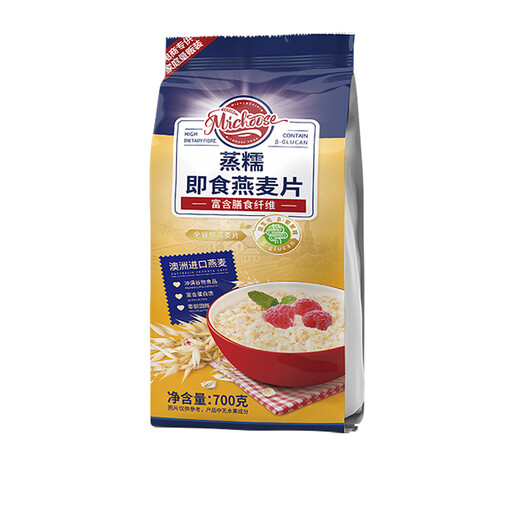 No image available
A larger-format option for repeated home breakfasts with hot-water preparation. Check the current pack label for portion guidance and dietary suitability.
 No image available
A portioned Original option for microwave-access breakfasts. The six-sachet format may suit a smaller household supply; check the current allergen statement if this matters to you.
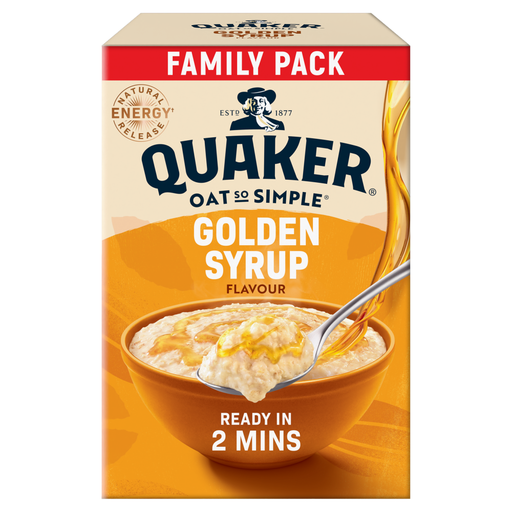 No image available
A 20-sachet option for repeat breakfasts where a golden syrup flavour suits your preference. Check the current ingredient and allergen information before choosing a larger pack.
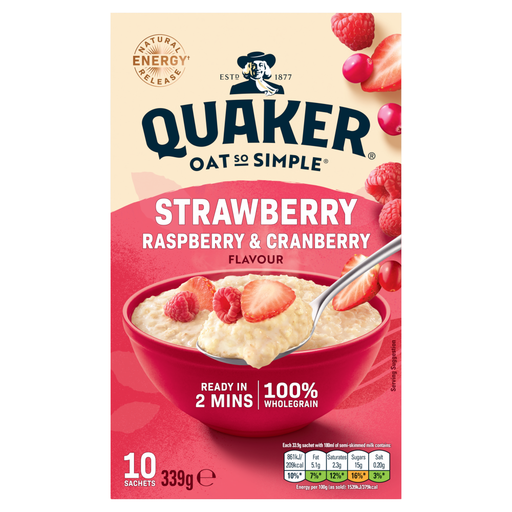 No image available
A 10-sachet fruit-flavoured option for microwave-access breakfasts. It suits shoppers who prefer a pre-portioned flavoured porridge rather than a plain oat base.
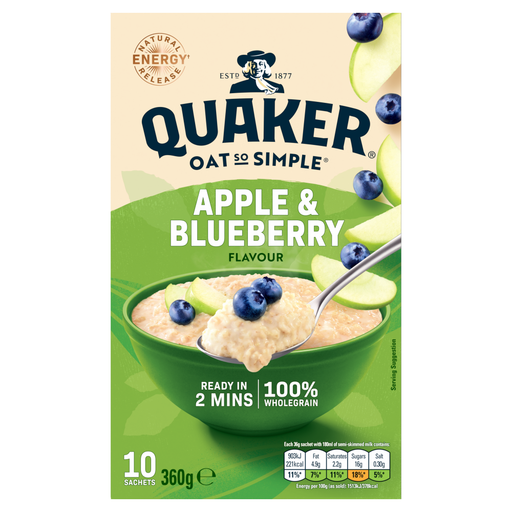 No image available
A 10-portion fruit-flavoured porridge option for breakfasts prepared with water or milk. Check the current pack label if ingredient and allergen requirements are important.
There is no universal minimum for one bowl. NHS guidance says adults should aim for 30g of fibre a day as part of a varied diet, so compare fibre per 100g and per portion while considering the rest of your meals.
Sachet multipacks are usually more practical when you eat porridge regularly at home because they provide several portions. Pots remain useful when you only have boiling water and need a self-contained serving.
No. UK Government allergen guidance includes oats among cereals containing gluten for labelling purposes. If you need a gluten-free product, choose an exact variant carrying an appropriate gluten-free claim and read its current allergen statement.
Read the exact product ingredient list and allergen statement every time you buy. Instant-oat products can contain ingredients such as skimmed milk powder or soya protein, and allergen wording can differ between flavours in the same range.
No. Compare fibre and protein separately. Quaker Oat So Simple Protein Original lists 2.7g fibre and 8.1g protein per dry sachet; its protein comes from added soya protein rather than an automatically higher fibre result.