Hosts serving individual late-night or next-morning bowls
Choose a format with predictable portions and a quick preparation method for several guests. Sachets and ready-to-eat tins address this convenience need in different ways.


Choose dry instant-oat sachets when you need predictable individual portions and can serve freshly heated bowls. Ready-to-eat tins suit immediate individual serving, while ordinary oats make more sense for a shared cooked dish where texture and toppings matter more than speed.
Choose a format with predictable portions and a quick preparation method for several guests. Sachets and ready-to-eat tins address this convenience need in different ways.
Traditional or jumbo oats are more relevant when you can cook, stir and customise a shared dish, with more control over texture and toppings than fine instant oats provide.
Check the exact pack before serving, especially where gluten, milk, peanuts, soy, sesame or other added ingredients may matter.
Choose this when: You can provide bowls, liquid and microwave or kettle access for casual individual servings.
Trade-off: Fine-cut oats cook quickly but give a different texture from traditional or jumbo oats, and each serving still needs preparation.
Choose this when: Immediate individual service matters and you want a product that can be served at room temperature or gently heated.
Trade-off: Canned recipes can be sweetened and contain several ingredients, so they need a separate allergen and serving-value comparison.
Choose this when: You want a shared, made-to-order oat dish with control over texture, toppings and portioning.
Trade-off: This route needs cooking, stirring and host time rather than offering instant individual service.
| Priority | What to check | Your needs |
|---|---|---|
| Portioning and speed | Check the number and size of sachets, the required liquid, heating method and preparation time. M&S states that quick and instant oats are cut finer and cook in 1–2 minutes. | I want individual bowls without measuring each serving, and I can provide the bowls and heating needed to make them. |
| Like-for-like value | Compare the cost per intended guest serving within the same preparation state. Include the liquid, toppings and serving work required for dry sachets. | I want to compare a ready-to-eat can with a prepared bowl, rather than treating every price per 100g as the same thing. |
| Texture and presentation | Choose fine instant oats for fast bowls; M&S describes traditional oats as having a classic texture and jumbo oats as firmer and chewier. Check whether you need a shared cooked dish or separate bowls. | I want the oat form to match the occasion, whether that is a quick bowl, a sweet prepared porridge or a host-cooked course. |
| Ingredients and allergens | Read the current ingredients and allergen declaration on the exact pack. GOV.UK guidance covers 14 allergens requiring declaration for food businesses. | I need to avoid serving a recipe with added ingredients that do not suit a guest’s dietary requirements. |
Dry sachets are portioned, but they still need liquid, a bowl and heating. A ready-to-eat canned porridge has a different convenience profile.
Confirm the serving setup before choosing sachets. For no-cook individual service, compare ready-to-eat tins; for a shared course, consider cooked ordinary oats.
Allow for milk or an alternative, bowls, microwave or kettle access, toppings and preparation time.
Ready-to-eat canned porridge includes water and can be served directly, whereas dry oats are concentrated and require preparation. These weights do not represent equivalent guest servings or hosting work.
Compare cost per intended serving and keep the preparation state separate when planning the basket.
The verified canned oatmeal product declares cereals containing gluten, peanuts and milk, while the verified oat powder declares oats, soybeans and milk.
Ask guests about dietary needs in advance and check the current label immediately before buying and serving. Do not rely on brand-level assumptions.
A different product may be needed if the selected recipe is unsuitable for a guest.
Tesco catalogue pages identify useful sachet formats and pack sizes, but some listed promotions have expired.
Check the live price, multibuy eligibility, delivery fee and availability at the retailer before making a value comparison.
Relevant for the Oat So Simple range. Oat So Simple is a Quaker product range rather than a separate brand; its Original sachets are unflavoured microwaveable oats intended for toppings.
Relevant for own-label dry instant-porridge sachets, including Tesco Easy Oats Original 10 x 27g and flavoured variants in Tesco’s porridge-sachet catalogue.
Relevant for portioned traditional porridge and for its guidance on texture differences between instant, traditional and jumbo oats.
Relevant for wholegrain organic oats and for a non-instant route when a host wants to cook and customise a shared oat dish.
These Joybuy options cover dry instant-porridge sachets, ordinary oat flakes for a shared cooked dish and ready-to-eat canned porridge for individual serving.
 No image available
A plain sachet option for a casual bowl station where guests can add their own toppings.
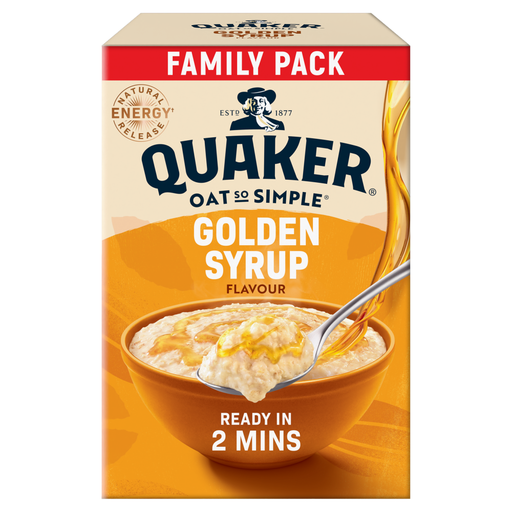 No image available
A larger sachet pack for serving several freshly heated individual bowls.
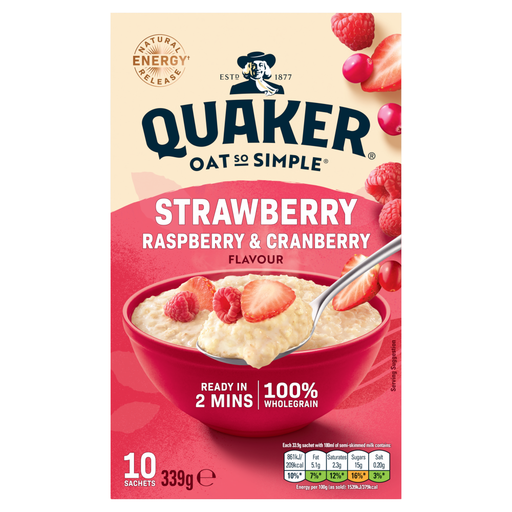 No image available
A fruit-flavoured option for quick individual bowls with a defined serving style.
 No image available
A plain oat-flake base for hosts cooking and portioning a shared dish.
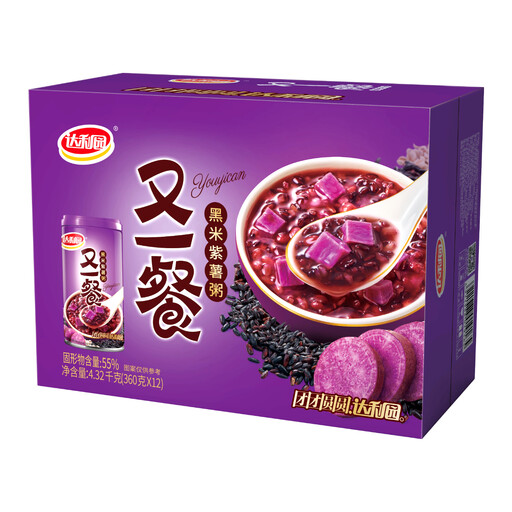 No image available
A ready-to-eat canned option for immediate individual service, hot or cold.
Usually not. Sachets, quick oats and canned porridge are principally breakfast or snack formats, so they are more suited to a casual late-night bowl, next-morning breakfast or deliberately styled warm dessert. Choose cooked traditional or jumbo oats if you want a shared, made-to-order oat dish.
Calculate the cost per planned served portion within the same preparation state. A ready-to-eat can includes water and may be edible without extra ingredients, while a dry sachet still needs liquid, a bowl and heating. Recheck the current price, delivery charge and stock before purchase.
The verified canned oat porridge product states that it can be consumed at room temperature or gently heated. Once opened, follow the pack’s storage instructions and do not assume that unopened storage guidance applies to leftovers.
Check the current ingredients and allergen declaration on every exact pack. GOV.UK guidance identifies 14 allergens requiring declaration for food businesses, and oat products can include ingredients beyond oats. The verified canned product declares cereals containing gluten, peanuts and milk, while the verified powdered product declares oats, soybeans and milk.
No. Do not infer suitability from the word “oats”. Flahavan’s explains that oats can be contaminated with gluten-containing grains before milling and that some people with coeliac disease may still react. Select a specifically suitable labelled product where needed and seek appropriate medical advice for individual dietary questions.