Repeat-breakfast shoppers
Suitable for shoppers adding a cupboard breakfast to a larger food shop and able to use a bowl with milk or water. Original sachet multipacks offer portioned breakfasts for repeated use.


For repeat breakfasts after the pie and mash night, a larger plain or original sachet pack is usually the more practical route when you have a bowl and microwave or hob. Choose a pot when its hot-water preparation and built-in container matter, and choose specifically labelled gluten-free oats where that requirement applies; oats remain a separate breakfast or cupboard item, not a replacement for pie and mash.
Suitable for shoppers adding a cupboard breakfast to a larger food shop and able to use a bowl with milk or water. Original sachet multipacks offer portioned breakfasts for repeated use.
A hot-water-ready pot can suit travel, work or limited kitchen access when carrying a separate bowl is impractical.
Useful for shoppers comparing plain oats, protein-added recipes and specifically labelled gluten-free products. Check the exact pack label and any may-contain statement for each format.
Start with where you will prepare the oats, then compare pack size, recipe and storage details before deciding whether a convenience format is worth choosing.
| Priority | What to check | Your needs |
|---|---|---|
| Value across formats | Compare the current price per kilogram on the same basis; check pack count and dry serving weight; confirm that you can prepare the format at home. | I want enough portions for several breakfasts rather than paying for a single serving by default. |
| Preparation location | Check whether the product needs a bowl, milk or another liquid; distinguish microwave or hob instructions from a boiling-water pot; confirm the stated preparation method. | I need oats that work with the equipment available at home, work or while travelling. |
| Ingredients and allergens | Read the exact ingredient list and may-contain wording; check whether protein has been added; rely on an explicit gluten-free label where that status is required. | I want the recipe to match my ingredient requirements instead of assuming every oat product is alike. |
| Storage and planned use | Check the pack date type and storage instructions; choose a pack size you expect to use; reseal dry oats where the pack directs it. | I am buying a larger pack only if I can store it properly and use it as planned. |
A loyalty offer can differ from the standard price and may have a stated end date, so it is not a lasting comparison for every shop.
Compare the live shelf or online unit price and check any loyalty, quantity or delivery conditions before deciding which pack offers value.
Pots provide a container and a hot-water method, while sachets and quick oats can also be prepared quickly when a bowl and liquid are available.
For repeated home breakfasts, compare sachets and plain quick oats first; reserve pots for situations where the container or hot-water method solves a practical problem.
Recipes can differ substantially: a pot may contain milk powder, a protein recipe may contain soya, and an original oat product can carry may-contain statements.
Read the label for every flavour and format, including allergen information. Choose a specifically labelled gluten-free option only where that is the required standard.
GOV.UK distinguishes use-by dates, which relate to food safety, from best-before dates, which relate to quality.
Store oats as directed and check which date type appears on the pack when planning cupboard purchases.
A Quaker porridge range with original, flavoured, pot and protein sachet formats.
An Irish oat producer offering plain quick oats and portioned porridge pots.
A UK retailer with porridge sachets, pots, traditional oats and a Made Without gluten-free oat option.
A UK supermarket retailer with own-label instant oats and a broad porridge-and-oats range.
A UK supermarket retailer relevant for its listing of Quaker Original sachets.
Joybuy options for adding a separate quick breakfast or cupboard oat product to this shop, including portioned sachets and a listed gluten-free oat option.
 No image available
For repeat breakfasts where a microwaveable bowl and liquid are available.
Six 38.5g plain-oat sachets; stated microwave preparation takes 2½ minutes. The stated method requires a bowl and liquid.
 No image available
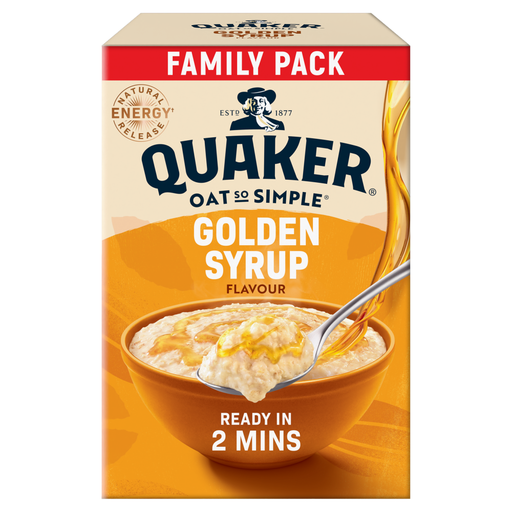
For households planning a larger number of portioned breakfasts.
20 x 36g sachets with stated two-minute microwave preparation using about 180ml milk. Contains sugar and flavourings; may contain barley, wheat and soya.
 No image available
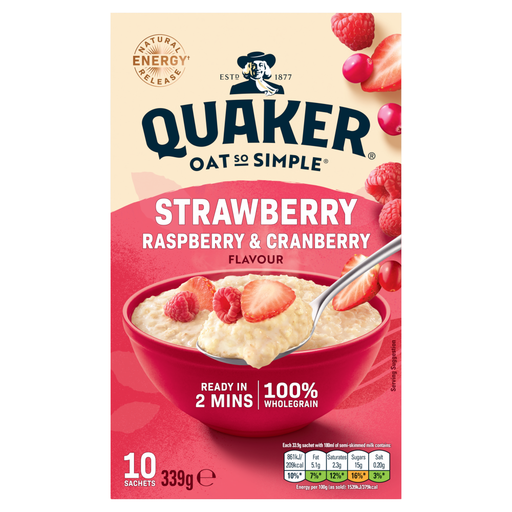
For a short run of pre-portioned, fruit-flavoured microwave breakfasts.
10 x 33.9g sachets with a stated two-minute 900W microwave method. The method uses a bowl and milk; the recipe contains sugar and flavourings.
 No image available
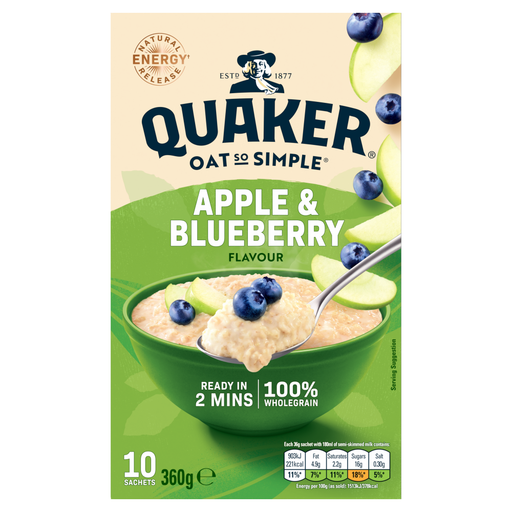
For shoppers considering a sweetened apple-and-blueberry porridge option.
The listing states 10 portions based on 36g servings and includes sugar, dried fruit and flavouring. Confirm the pack format and preparation method before buying, as the listing uses conflicting pack and cup wording.
 No image available
For planned cupboard use where a gluten-free oat product is required.
Listed as 100% oat flakes with 25 stated portions and resealable cool, dry storage. Check the cooking instructions if you need an instant or two-minute breakfast option.
No. Treat instant oats as a separate cupboard or quick-breakfast item in the same shop. The cited manufacturer and retailer product pages describe them as porridge or breakfast products rather than as a replacement for a pie-and-mash meal.
Not always. Quaker UK states that Original sachets can be simmered with 180ml milk for two minutes on the hob or microwaved for two minutes in a microwaveable bowl. A hot-water pot can suit situations without a separate bowl, provided you follow its own instructions.
No. Choose a product explicitly labelled gluten-free where that status is required. Food Standards Agency guidance states that food labelled gluten-free must contain no more than 20mg/kg gluten, while oats remain an allergen in their own right; Quaker Original also states that it may contain wheat and barley.
Follow the pack instructions. For the cited M&S gluten-free oats, storage is a cool, dry place away from strong odours, with the inner bag refolded after opening. GOV.UK explains that a best-before date concerns quality, while a use-by date concerns safety.