Hotel breakfast managers running a self-service buffet
Useful for teams balancing serving consistency, queue speed, bowl and heating capacity, topping flexibility and waste during breakfast service.


Plain portioned sachets are usually the practical choice for a microwave-equipped hotel buffet that needs consistent servings and flexible toppings. Hot-water pots suit smaller self-service points with limited equipment, while bulk oats work best at a staffed station with measured portions and clear allergen controls.
Useful for teams balancing serving consistency, queue speed, bowl and heating capacity, topping flexibility and waste during breakfast service.
Suitable where guests are offered separate milk, plant-based alternatives, fruit and toppings rather than a fixed sweetened recipe.
Relevant where product labels, allergen information and a controlled buffet process are essential before making dietary claims.
Choose when: You have microwave-safe bowls and a preparation point, and want fixed servings with separate toppings.
Consider: Sachets still need liquid, bowls, heating equipment and clear preparation instructions.
Choose when: A limited self-service or overflow station cannot reliably provide bowls and microwave capacity.
Consider: Flavoured pots can contain sugar and milk ingredients, so they are not a like-for-like replacement for plain oats.
Choose when: Staff can prepare porridge at a managed station and control portions, toppings and service flow.
Consider: This format needs a documented portioning, allergen and service process.
| Priority | What to check | Your needs |
|---|---|---|
| Service speed and portions | Check the stated preparation method, time, liquid requirement, bowl requirement and available heating capacity. | During a busy service, I need portions that can be prepared consistently without creating a queue. |
| Plain base and toppings | Read the ingredient list and distinguish plain oats from flavoured recipes containing sweeteners, milk or whey. | I want guests to choose their own milk, fruit and toppings rather than start with a fixed sweetened recipe. |
| Allergen control | Check the delivered pack for ingredients, allergen and may-contain statements; keep product identity clear during storage and service. | I need accurate information at the oat station and must not present ordinary oats as gluten-free. The Food Standards Agency states that a gluten-free food may contain no more than 20 mg/kg gluten, while oats must still be highlighted as an allergen. |
| Operational value | Compare stock continuity, portion size, equipment, staff handling, packaging and likely buffet waste for the formats under consideration. | I need a format that works with our actual breakfast workflow, not just one attractive shelf comparison. |
A Golden Syrup porridge pot can include sugar, dried skimmed milk and whey powder, alongside may-contain statements for peanuts, nuts and wheat. That makes it a different buffet proposition from plain oats with separate toppings.
Use a plain oat option where guests need separate dairy and topping choices, and display current allergen information for every flavoured alternative.
Ordinary oats and apparently plain porridge should not be assumed suitable for a gluten-free offer. Some traditional porridge products are explicitly labelled as unsuitable for coeliacs.
Use a product specifically labelled gluten-free for that offer, retain its current packaging information and prevent cross-contact during storage, preparation and buffet service.
A mainstream portioned microwave-oat range for buffets wanting an unflavoured sachet base and short preparation time.
An own-label range useful when comparing plain sachets with sweetened hot-water pots.
An oat specialist relevant to hotels considering natural sachets or quick oats for a managed preparation station.
A premium supermarket porridge range with portioned traditional sachets and specific dietary suitability statements.
Joybuy product options for plain portioned porridge, staff-managed bulk oats and a separately controlled gluten-free oat offer in a hotel breakfast setting.
 No image available
A plain portioned option for a topping-led buffet with microwave capacity.
Six 38.5g sachets; 100% wholegrain rolled oats; stated 2½-minute microwave method with 245ml liquid per serving. Check the delivered-pack allergen statement and buffet controls before making dietary claims.
 No image available
A bulk candidate for a separately managed gluten-free oat offer.
1kg pack of 100% gluten-free oat flakes with a stated 40g reference portion. Confirm the preparation instructions and protect the product from cross-contact during storage and buffet service.
 No image available
A plain bulk option for a staff-managed porridge station with separate toppings.
1kg pack; stated 40g oats with 200ml liquid for microwave or stovetop preparation; 100% rolled oats. The catalogue states that it may contain wheat and barley, so do not use it for a gluten-free claim.
 No image available
A larger plain-oat option for hotels that control portions and toppings at a staffed station.
Two 1kg packs of 100% organic wholegrain oat flakes. Confirm delivered-pack cooking instructions, available equipment and serving controls before using it in a breakfast workflow.
 No image available
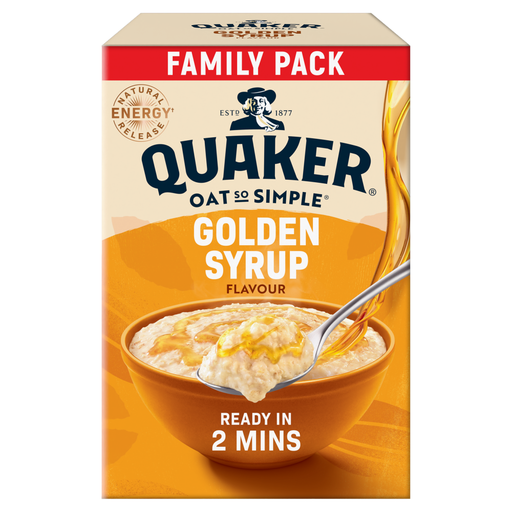
A sweetened sachet option for a microwave-equipped buffet that intentionally offers a flavoured porridge choice.
20 x 36g sachets; stated two-minute microwave preparation with approximately 180ml milk and a one-minute standing time. Contains sugar and flavourings, and may contain barley, wheat and soya.
Choose sachets when bowls and a microwave or staff preparation point are available and you want a plain, portion-controlled base for toppings. Choose hot-water pots where minimal equipment matters more, but check their sugar, milk and allergen information because flavoured pots are not equivalent to plain oats.
No. The Food Standards Agency states that food labelled gluten-free must contain no more than 20 mg/kg gluten, and oats must still be emphasised as an allergen. Use a specifically labelled product for that offer and prevent mix-ups during storage and service.
Accurate mandatory allergen information should be available for the non-prepacked food served, alongside current product labels or specifications for each oat item and topping. The Food Standards Agency identifies written materials, labels and allergen matrices as ways to communicate regulated allergens in food service.
Compare stock continuity, portion size, preparation equipment, staff time, packaging, waste and ingredient information alongside the format itself. A product that fits the service workflow and can be clearly labelled is often the more workable buffet choice.