Sunday-roast cooks wanting a flexible cupboard oat
Choose plain oats if you want weekday porridge and may try them as a partial breadcrumb replacement in homemade stuffing, rather than buying an ingredient only for roast dinners.


Choose plain quick or instant oats when you want a fast breakfast staple that can occasionally replace some breadcrumbs in a homemade stuffing recipe. They are not a direct replacement for a seasoned stuffing mix: check the pack for allergens, gluten-free wording and cooking instructions before serving.
Choose plain oats if you want weekday porridge and may try them as a partial breadcrumb replacement in homemade stuffing, rather than buying an ingredient only for roast dinners.
Sachets or quick oats can suit short breakfast routines when the pack gives clear microwave or hob instructions and liquid measures.
Look beyond a plain ingredient list: check the current pack for an explicit gluten-free claim and its allergen statement before purchase or use.
Start with the role the oats need to play: a flexible ingredient for breakfast and occasional cooking, a quick portioned breakfast, or a dedicated roast-side product.
| Priority | What to check | Your needs |
|---|---|---|
| Breakfast and savoury flexibility | Choose plain oat flakes or 100% rolled oats; check that there is no built-in sweet flavouring; use oats only as part of a homemade stuffing recipe. | I want to season the oats myself for porridge or an occasional savoury recipe. Good Food suggests replacing only some breadcrumbs with oats in stuffing. |
| Fast preparation | Check microwave wattage, cooking time, liquid measure and whether hob cooking is offered; compare the instructions on the exact pack. | A weekday breakfast needs to fit the equipment and time available at home, rather than relying on a preparation time from a different oat format. |
| Allergen and gluten suitability | Look for an explicit gluten-free label where needed; read the current allergen statement; remember that oats remain an allergen. | For coeliac or allergy needs, I need a pack-level decision rather than an assumption based on words such as plain or natural. |
| Fibre information | Compare fibre declarations on the same basis, such as per 100 g or per serving; check the nutrition panel for the specific product. | I want to compare the stated fibre figure while treating porridge as one part of a varied diet. The NHS identifies porridge oats as a fibre-containing food. |
Porridge oats are intended chiefly for breakfast, while prepared stuffing contains savoury ingredients and has its own oven directions. A simple swap can change flavour, binding and texture.
For a dependable roast side, buy stuffing. If experimenting with oats, use plain oats in a recipe that deliberately replaces only some breadcrumbs.
A plain oat ingredient list does not establish a gluten-free claim, and some original porridge products carry may-contain statements for other cereals or allergens.
Check the individual pack’s current gluten-free wording and allergen statement instead of relying on the brand, product name or a previous purchase.
Cooking times, liquid requirements and microwave power vary between products. Sachets can be convenient for breakfast but less adaptable for a larger recipe.
Before choosing sachets or a loose-oat pack, check the serving size, microwave wattage, liquid measure and whether hob preparation is available.
Food formulations, nutrition declarations and allergen information can change, and stock can vary by shop.
Confirm local availability, the best-before date and the on-pack ingredients and allergen panel when buying.
A supermarket own-label route for plain instant oat sachets, alongside separate roast-side stuffing products.
Portioned microwave porridge sachets for shoppers who value quick, repeatable preparation.
Quick and traditional oat formats, including plain quick oats for microwave porridge.
Portioned traditional porridge sachets for shoppers comparing labelled fibre information and microwave preparation.
These Joybuy options focus on plain oats and original plain porridge sachets for quick breakfasts and cook-led homemade stuffing variations.
 No image available
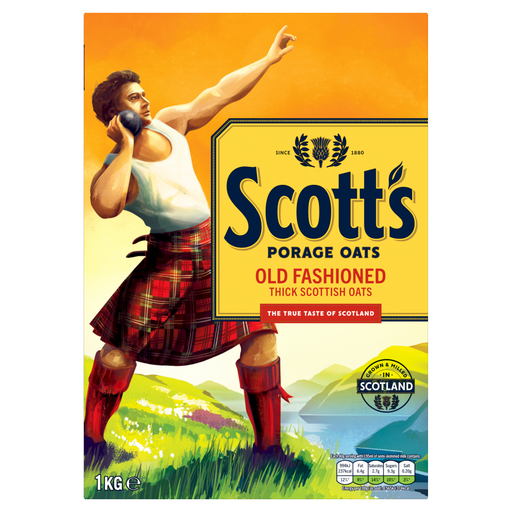
A loose 1 kg pack of plain oat flakes for breakfasts and homemade savoury recipe variations where you add the seasoning separately.
Listed as 100% gluten-free oat flakes, with 25 portions and 3.4 g fibre per 40 g portion. Check the pack for preparation guidance and the current allergen statement.
 No image available
Plain 100% rolled oats suited to porridge and a cook-led stuffing variation using oats as only part of the breadcrumb content.
The listing gives stovetop instructions and a 2–3 minute microwave method using 40 g oats and 200 ml liquid. It may contain wheat and barley.
 No image available
A larger supply of plain organic wholegrain oat flakes for households making regular breakfasts and occasional savoury recipe trials.
The listing states 3.3 g fibre per 40 g serving. It identifies oats as containing gluten; check the pack for cooking instructions and suitability for the intended eater.
 No image available
A 1 kg loose-oat option for porridge and recipes where separate seasoning matters more than a ready-made savoury mix.
The listing gives 100% organic wholegrain oat flakes and 3.3 g fibre per 40 g serving. Check the current pack for cooking guidance and allergen information.
 No image available
Six plain wholegrain-oat sachets for repeatable individual breakfasts with a stated 2½-minute microwave preparation.
The listing states 38.5 g sachets and 9.0 g fibre per 100 g. Sachets are less adaptable for larger stuffing batches; check the pack for gluten-free and allergen wording.
Not as a direct replacement for a prepared stuffing mix. Oats can replace some breadcrumbs in a homemade stuffing recipe, but dedicated stuffing includes seasoning and other ingredients intended for that dish.
Plain oats are the more flexible option when one product is intended for porridge and occasional savoury cooking, because you control the seasoning. This does not mean every plain oat will give the same stuffing texture.
No. Choose a product explicitly labelled gluten-free when that requirement applies. The Food Standards Agency states that a gluten-free claim is limited to foods containing no more than 20 mg/kg gluten, and oats remain an allergen.
Follow the exact pack instructions for liquid, microwave power and standing time. Take care with hot food, avoid reheating where the pack advises against it, and ensure it is piping hot throughout before serving.
Yes. Ingredients and allergen information can change, so check the packaging before purchase or consumption, even when you know the product name.