Families packing several school lunches each week
Individually portioned packs can simplify repeated packing. Compare the serving count and whether a bowl is needed as well as the pack format.


Instant oats work for a school lunch only when the pupil has a permitted way to prepare them: sachets need a bowl, liquid and microwave access, while porridge pots still need hot water. For regular use, compare the number of individually portioned servings and check the exact pack label and the school’s allergy arrangements before packing.
Individually portioned packs can simplify repeated packing. Compare the serving count and whether a bowl is needed as well as the pack format.
This option suits pupils who can use a permitted microwave or obtain hot water at lunchtime. Sachets need a bowl and heating; a pot still needs hot water.
Check the exact current label and the individual school’s allergy policy before packing. Oat products can have different ingredients, may-contain statements and suitability wording.
Choose it when: regular lunch packing is planned and the pupil can use a microwave-safe bowl with the required liquid.
Keep in mind: sachets are portioned and portable, but they are not ready to eat from a cold lunchbox.
Choose it when: a household wants a shorter run of pre-portioned lunches and microwave access is confirmed.
Keep in mind: fewer portions may mean replacing the box more often, and preparation requirements still apply.
Choose it when: the school permits safe hot-water access but a microwave or separate bowl is not practical.
Keep in mind: pots are more self-contained, but they are bulkier to pack repeatedly and remain product-specific for allergens.
| Priority | What to check | Your needs |
|---|---|---|
| School preparation | Confirm whether a microwave or hot-water point may be used at lunch. Check whether a sachet needs a bowl and whether liquid must be carried or provided. | I need a routine that can actually be completed during the lunch break, not a product that has to be eaten cold. |
| Portion coverage | Compare the number of sachets, the weight of each portion and how many school lunches the pack is likely to cover. | Pre-portioned servings would save measuring oats on busy school mornings. |
| Allergens and suitability | Read the current ingredients, may-contain statement and product-specific suitability wording. Check the school’s published allergy arrangements. | I need the pack label to fit the pupil’s diagnosed requirements and the school’s individual rules. |
| Lunchbox planning | Consider oats as one part of lunch and plan other suitable foods alongside them. Plain oats can leave topping choices with the family. | I want a practical carbohydrate-based lunch item without treating one porridge portion as the whole lunch. |
Sachets need a bowl, liquid and microwave preparation. A porridge pot is more self-contained but still requires hot water, so neither format is automatically ready to eat from a cold lunchbox.
Ask the school whether the pupil may use the relevant microwave or hot-water point during lunch, then trial the exact routine before committing to a multi-pack.
A microwave-safe bowl and a way to provide milk or other liquid may also be needed for sachet preparation.
Products in this category can have different may-contain statements and stated suitability limitations. For example, the cited Quaker Original Big Pack may contain wheat, barley and soya, while the cited M&S pot contains milk and is stated to be unsuitable for coeliacs and people with wheat, nut or peanut allergy.
Read the physical pack’s current ingredients and allergen statement each time it is bought, and check the individual school’s allergy policy before packing it.
NHS guidance says to base the main lunchbox item on foods such as bread, rice, pasta or potatoes and to choose wholegrain where possible, with fruit and vegetables added alongside. Oats can be one carbohydrate-based component rather than the whole lunch.
Pair a suitable oat portion with other school-permitted foods, including fruit or vegetables, instead of relying on a flavoured oat product as the entire lunch.
A UK instant-porridge range that includes plain sachets, larger sachet packs, protein variants and a product marketed as gluten free.
Tesco’s own-label Easy Oats Original is a plain instant-oat sachet option in a 10-portion format.
M&S offers porridge in sachet and pot formats, including an add-hot-water pot for use away from home.
An oat-focused brand with organic natural sachets and quick-oat formats.
Joybuy instant-oat options for households planning repeated secondary-school packed lunches, subject to the pupil’s preparation access and the current pack label.
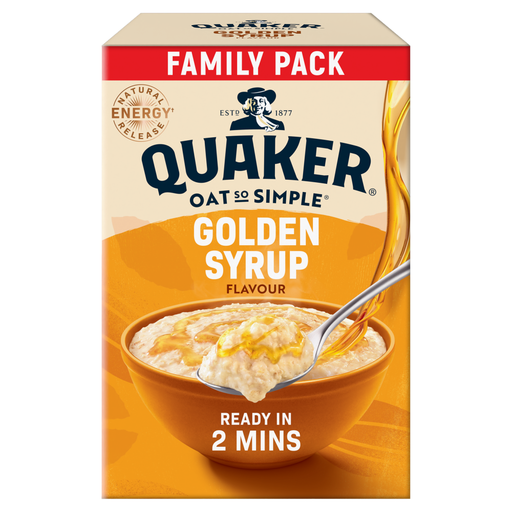 No image available
A larger pre-portioned pack for repeated lunches where a microwave routine is already permitted.
20 individual 36 g sachets; wholegrain oats; stated two-minute microwave method using about 180 ml milk.
Golden-syrup flavoured. It requires a microwaveable bowl and is not a ready-to-eat cold lunchbox item. Check the current label for possible barley, wheat and soya and follow the school’s allergy policy.
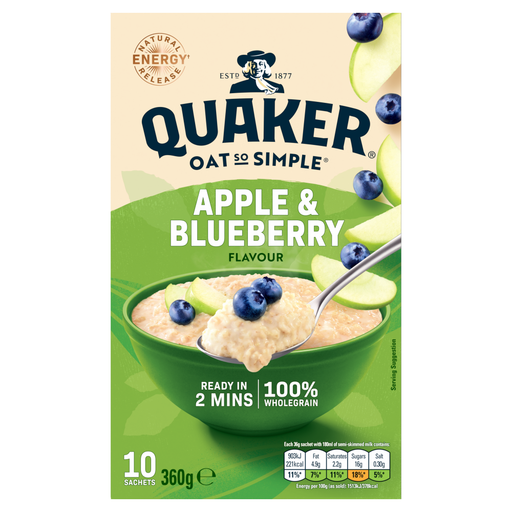 No image available
A 10-portion fruit-flavoured option for a shorter run of packed lunches.
10 stated 36 g portions with wholegrain oats, apple and blueberry pieces; the supplied nutrition information states 7.7 g sugars per dry portion.
Before choosing it for school, confirm whether the pack uses cups or sachet-style portions and follow the pack preparation instructions. Check the current label for wheat, barley and soya information and the school’s allergy arrangements.
 No image available
A six-sachet option for pupils with a confirmed microwave lunch routine.
Six 38.5 g sachets of 100% wholegrain rolled oats; stated preparation uses water or milk and 2½ minutes in a microwave.
The smaller sachet count may require more frequent replacement for several lunches each week. A microwave-safe bowl and liquid are needed; check the physical pack label and school policy before packing.
Usually not without a preparation plan. The cited sachet products need a bowl, liquid and microwave heating, while the cited M&S pot needs hot water; confirm the school’s rules and available facilities before making instant oats a regular lunch item.
No. The cited Quaker Original Big Pack may contain wheat, barley and soya, while the cited M&S porridge pot is stated to be unsuitable for coeliacs and people with wheat, nut or peanut allergy. Use the exact current pack label for the product being packed.
No. In England, Department for Education guidance says schools must publish an allergy safety policy setting out arrangements to reduce contact with known allergens. Check the individual school’s packed-lunch and allergy arrangements rather than assuming a product is permitted.
Compare the number and weight of individual portions, the equipment needed at school and the current allergen statement. A larger sachet count can reduce how often the family needs another pack, but only if the pupil can prepare the oats safely at lunchtime.