What to check before buying
Start with the preparation basis, then compare the label and decide whether the format works in the place where you will eat it. NHS food-label guidance supports comparing pre-packed foods on a like-for-like basis.
| Priority |
What to check |
Your needs |
| Prepared portion |
Compare calories for the stated prepared serving; check whether water or milk is included; add any toppings you normally use. |
I want the portion on the label to reflect the breakfast I will actually eat, rather than comparing dry oats with a prepared pot. |
| Label details |
Read sugars per 100 g and per serving; compare fibre where it is listed; check the ingredients as well as the product flavour. |
I want to see how sweetness and fibre fit into the full breakfast, without relying on the product name alone. |
| Preparation format |
Check whether the product needs a microwave, hob, milk or only boiling water; confirm the stated liquid quantity and serving method. |
A kettle-only pot may suit my routine, while measured oats may suit me when I want to choose the liquid and toppings myself. |
| Protein and allergens |
Compare protein for the prepared serving; read the ingredient list and allergen statement; check for a specific gluten-free label where needed. |
I only want a protein-added option if it fits my planned meal and any dietary restrictions. |
Joybuy product options
These Joybuy options span portioned instant oats, protein porridge and plain oat bases relevant to weight-management breakfast planning. Check the preparation method and the complete prepared serving for the specific product you choose.
 No image available
Quaker Oat So Simple Big Bowl Original, 6 Pack 231g
A portioned microwave option for planning the liquid and toppings separately.
6-pack, 231 g. Account for the milk and any toppings when comparing the planned breakfast; no gluten-free claim is stated in the supplied product information.
View on Joybuy
 No image available
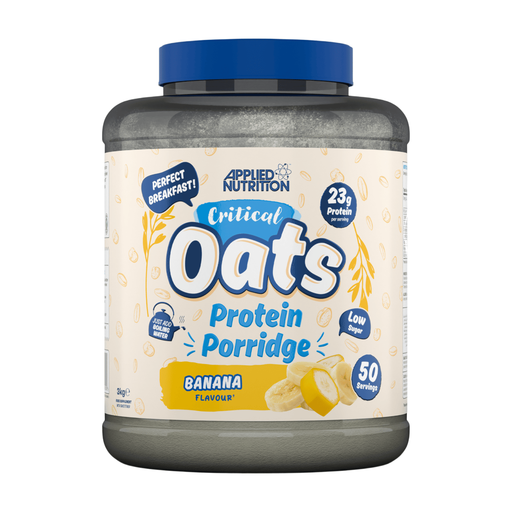
Applied Nutrition Critical Oats Protein Porridge, Banana Flavour 3kg
A protein-added porridge option for buyers who deliberately want more protein at breakfast.
Banana-flavour powder, 3 kg. It contains oats, whey, milk and soy, and the supplied product information describes it as a food supplement rather than a substitute for a varied, balanced diet.
View on Joybuy
 No image available
Scotts Porage Old Fashioned Porridge Oats 1kg
A plain oat base for breakfasts where a microwave or hob is available and you choose the liquid and toppings.
1 kg old-fashioned porridge oats. The supplied information states microwave and stovetop preparation, so it is not a just-add-water pot; final bowl nutrition depends on the chosen liquid and additions.
View on Joybuy
 No image available
Flahavan’s Organic Porridge Oats 1kg
A plain oat option for shoppers who prefer to measure the portion and choose additions themselves.
1 kg organic porridge oats. Check the current pack for preparation time and method, and include the selected liquid and toppings when planning the prepared meal.
View on Joybuy
 No image available
Morrisons Free From Gluten Free Oats 1kg
A plain oat base where gluten-free labelling is a specific requirement.
1 kg gluten-free oats. Gluten-free labelling does not establish suitability for an oat allergy, and the supplied information does not confirm the preparation method or time.
View on Joybuy
Frequently asked questions
Are instant oats suitable for weight management?
They can fit a weight-management eating plan when the prepared serving fits the overall calorie intake and you check what is added. NHS guidance focuses on an appropriate calorie intake, while its food-label guidance recommends comparing energy, sugars, fat and salt on pre-packed products. Plain oats allow you to set the toppings, while a convenient pot may suit a planned regular breakfast.
Should I compare instant oat nutrition per 100 g or per serving?
Use both. Per 100 g helps compare products on the same basis, while the prepared serving shows what you will actually consume. Check whether the figure includes milk or water: Quaker’s cited sachet nutrition is presented with semi-skimmed milk, while Tesco’s cited pot is prepared with water.
Do protein instant oats automatically suit weight management?
No. Protein is only one part of the meal. Quaker Protein Original lists 15 g protein when prepared with milk, but its cited prepared serving also lists 238 kcal and 9.6 g sugars. Compare the whole meal and check soy, wheat and barley information where relevant.
Can someone avoiding gluten choose any instant oats?
No. Choose a product specifically labelled gluten-free when that is required. Food Standards Agency material states that foods labelled gluten-free must contain no more than 20 mg/kg gluten, while oat allergy remains a separate consideration.
What should I check before buying a boiling-water porridge pot?
Check the prepared calories and sugars, ingredients and allergens, required water volume, and whether microwave use is permitted. Tesco’s cited Original pot requires boiling water, contains dried skimmed milk and sugar, may contain peanuts, nuts and wheat, and is not suitable for microwave cooking.


