Who each format suits

Frequent home bakers seeking low-cost oats

If you make flapjacks, oat bars, muffins or breakfast bakes regularly, a loose oat ingredient gives you freedom to measure the amount needed. Loose quick oats can suit recipes where faster cooking matters, while standard rolled oats remain worth considering when the recipe calls for them.

Small-batch bakers who value portion control

Plain porridge sachets can be useful for mug cakes, small bakes or occasions when a measured portion is more convenient than opening a larger pack. Check the ingredient and allergen information on the exact sachet before using it.

Allergy- or gluten-conscious home bakers

Product-specific allergen statements can differ between plain oat products. Check the exact pack for oat, milk, nut, peanut, wheat, barley and gluten information when baking for someone with a dietary requirement.

What to check before buying

Loose quick oats

Choose this when: You want a quick-cooking oat format but need to weigh ingredients and control the milk, sugar and flavourings in a bake.

Consider: Lighter-milled oats may not give the same texture as a recipe written for jumbo or thicker rolled oats.

Plain porridge sachets

Choose this when: A measured portion is useful for a small bake and you do not need flexible batch sizes.

Consider: Fixed sachets limit how freely you can scale a recipe and need exact-pack allergen checks.

Standard loose rolled oats

Choose this when: Your recipe specifies rolled oats or you need a plain ingredient for several different bakes.

Consider: They may not behave like finely milled or instant oats without a small test batch.

Priority What to check Your needs
Value by weight Compare the unit price per kilogram across the exact pack sizes. Check whether the format is loose, portioned or a ready-to-add-water pot. For regular baking, I want enough plain oats to measure freely rather than paying for a fixed single serving.
Recipe ingredients Read the ingredient list for milk powder, sugar and flavourings. Choose a plain oat product when the recipe supplies these ingredients separately. I need control over dairy, sweetness and flavourings in the finished bake.
Texture match Follow the recipe’s named oat type where possible. Test a small batch if changing between quick, instant, rolled or jumbo oats. I want the texture and liquid absorption to stay close to the recipe I am using.
Allergen suitability Check ingredients, may-contain statements and any gluten-free claim on the current pack. A gluten-free claim does not remove oat-allergy considerations. I am baking for someone who needs a particular allergen or gluten check.

Common baking mistakes

  • Treating a low single-pot price as the best baking value

    Small pots and sachets can appear inexpensive at the shelf, but repeated baking uses more than one serving and makes pack-size comparisons important.

    Compare the unit price per kilogram for the exact products, then consider a loose format if you bake often.

    A loose pack also lets you take only the quantity needed instead of working around fixed portions.

  • Using a ready-to-add-water pot as if it were plain oats

    Some instant pots include milk powder and sugar alongside oat flakes, which can alter dairy content, sweetness and the balance of a baking recipe.

    Read the ingredients before adding a pot to a bake. Use products explicitly made from plain oats when the recipe separately specifies milk, sugar or flavouring.

  • Assuming all oats are interchangeable or suitable for every free-from diet

    Quick-oat milling, individual recipes and allergen cross-contact statements vary. Ordinary oats are not automatically gluten-free, and gluten-free labelling does not remove oat-allergy risk.

    Use the oat type named by the recipe where possible, test substitutions in a small batch and check the exact pack when serving someone with a diagnosed dietary need.

Relevant brand references

Flahavan’s

A loose, microwaveable quick-oat route for bakers who want to measure their own quantities.

  • The checked quick-oat drum contains 100% wholegrain rolled oats and includes a measuring scoop.
  • Its lighter milling is intended for faster preparation, so it is not automatically an exact substitute for every rolled- or jumbo-oat bake.

Sainsbury’s

An own-label choice for plain individual porridge sachets or an instant pot.

  • The checked Original Porridge sachets are plain rolled oat flakes with no added sugar and can suit measured small batches.
  • The checked pot contains skimmed cows’ milk powder and is not suitable for microwave cooking.

Tesco

An own-label ready-to-add-water instant-pot option for occasional preparation rather than a primary baking staple.

  • The checked Original pot is prepared with boiling water.
  • It contains oat flakes, dried skimmed milk and sugar, so it gives less control in recipes needing plain, dairy-free or unsweetened oats.

Quaker

A reference point for loose rolled oats and the microwaveable Oat So Simple range.

  • The checked rolled oats are 100% wholegrain and Quaker publishes UK recipes that use oats in baking.
  • The checked Oat So Simple Original sachet may contain wheat, barley and soya, so check the exact pack for free-from baking.

Oat So Simple

Quaker’s microwaveable porridge-sachet line for occasions when a pre-measured plain oat format is useful.

  • The checked Original product uses Quaker wholegrain rolled oats and is available in several sachet pack sizes.
  • Its may-contain statement includes wheat, barley and soya; verify the exact pack before free-from baking.

M&S

A portioned traditional porridge-sachet route rather than a loose, freely measured baking ingredient.

  • The checked Traditional Porridge box contains ten portioned packs prepared with water or milk.
  • The product information says it is not suitable for coeliacs or for people with milk, nut, peanut or wheat allergies.

Joybuy oat options

Joybuy options for home baking, including loose rolled oats, portioned oat sachets and a plain instant oatmeal bag. Match the product format to the oat type and ingredient control your recipe needs.

Flahavan’s Organic Porridge Oats 1kg

Flahavan’s Organic Porridge Oats 1kg

A loose plain-oat option for frequent baking where you need to control added dairy and sweetness.

1kg; 100% organic whole-grain oat flakes. Check the current pack if gluten-free or allergy-sensitive baking is required, and test a small batch when replacing quick or instant oats.

Joybuy
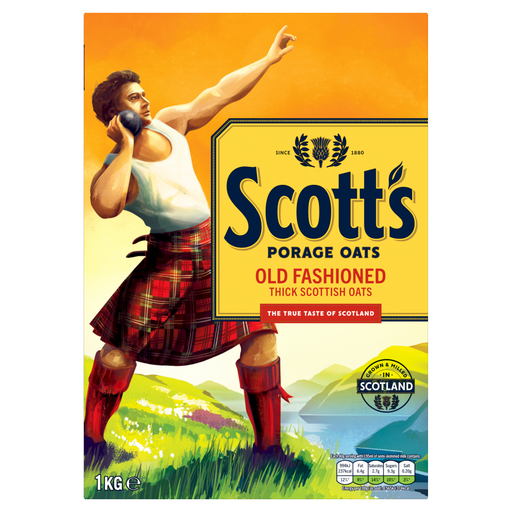
Scotts Porage Oats Old Fashioned Porridge Oats 1kg

Scotts Porage Oats Old Fashioned Porridge Oats 1kg

A loose option for bakes that call for a more substantial rolled-oat texture.

1kg; thicker rolled porridge oats and 100% rolled oats. The product may contain wheat and barley, and a small test batch is sensible when a recipe specifies instant or quick oats.

Joybuy

Flahavan’s Organic Porridge Oats 2kg, two 1kg packs

Flahavan’s Organic Porridge Oats 2kg (2 x 1kg)

A larger plain-oat supply for repeat baking while keeping quantities freely measurable.

Two 1kg packs; 100% organic whole-grain oat flakes. Verify the current label for gluten-free or allergy-sensitive baking and test substitutions for recipes written for quick oats.

Joybuy

Quaker Oat So Simple Big Bowl Original 6 Pack 231g

Quaker Oat So Simple Big Bowl Original 6 Pack 231g

A portioned option for small bakes where a measured oat amount is more useful than bulk flexibility.

Six 38.5g sachets; Quaker wholegrain rolled oats with no stated added sugar, milk or flavourings. Test the texture in recipes that name a different oat type.

Joybuy
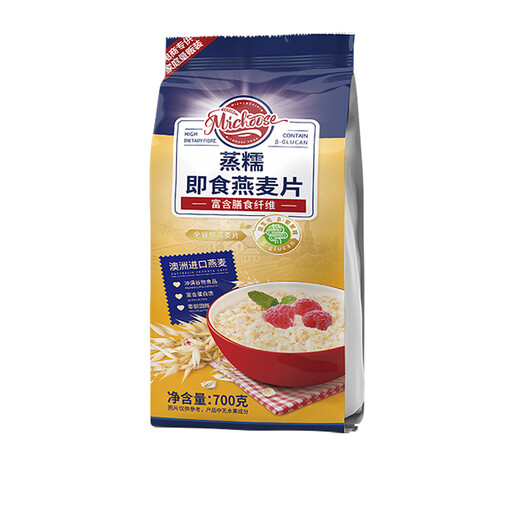
Steamed Instant Oatmeal 700g

Steamed Instant Oatmeal 700g

A plain instant-oatmeal bag for baking that needs freely measured amounts rather than a single breakfast portion.

700g; stated as 100% pure oatmeal with one-minute hot-water preparation. Test a small batch before using it in recipes written for rolled, jumbo or quick oats.

Joybuy

Frequently asked questions

Are instant oats good value for home baking?

They can be worthwhile when their convenience solves a specific problem, such as a small measured batch or faster preparation. For repeat baking, compare the current unit price per kilogram and consider whether a loose plain oat pack gives you more useful control over quantities and ingredients.

Can I replace rolled oats with instant or quick oats in a baking recipe?

There is no universal one-to-one substitution. Quick oats are milled for faster preparation, while baking recipes may rely on the texture and liquid absorption of rolled oats; use the named oat type where possible and test a small batch if you change it.

Why can instant oat pots be poor choices for baking?

Some are complete porridge mixes rather than plain oats. The checked Tesco Original pot contains oat flakes, dried skimmed milk and sugar, while the checked Sainsbury’s Original pot contains oat flakes and skimmed cows’ milk powder, so these additions can alter a recipe before you add its own ingredients.

Are ordinary oats suitable for gluten-free baking in the UK?

Do not assume so. The Food Standards Agency states that food labelled gluten-free must contain no more than 20mg/kg gluten when sold to the consumer; oat must still be emphasised as an allergen. Choose an exact product carrying the required gluten-free claim and check the current label where relevant.

Do I need to check may-contain statements when baking for someone with allergies?

Yes. Precautionary allergen labelling communicates possible unintended allergen presence, so use the information on the exact current pack rather than relying on the general oat category. Check for relevant milk, nut, peanut, wheat, barley and soya statements before baking for someone with an allergy.