
24/7 Customer Support

Free returns

Same-day & Next-day Delivery

Quality Guaranteed

Unlock Your Welcome Offers: FREE Delivery | Up to 80% OFF | Free 30-day JoyPlus trial
Download the APP
When time is short, instant pasta can offer a practical alternative to takeaway food or a full meal cooked from scratch. However, the category includes very different products: Korean instant pasta, ready-to-eat pasta pots, multipacks, vegan options and even compact appliances for cooking pasta at home.
The packaging can make products appear interchangeable, but several details affect value, suitability and preparation. This guide explains the main pitfalls and highlights options for students, office workers, small households and shoppers with specific dietary preferences.
Many quick pasta meals only require hot water, but they are not necessarily safe to eat straight from the packet. Samyang Tangle products, for example, are designed to be prepared with hot water according to the instructions and should not be consumed raw. Check whether the product needs boiling, soaking or microwave preparation before buying it for a workplace or travel setting.
Nutrition panels may show values per 100g, per pot or per prepared portion. A 105g Korean instant pasta product can have a different total nutritional profile from a 73g pasta pot, even where the per-100g figures look similar. Salt and saturated fat are particularly important comparison points. For example, the listed Samyang Tangle Garlic Oil Pasta contains 3.0g salt and 20g fat per 100g, while the Pot Noodle King Pot Pasta Bolognese lists 1.6g salt per pot.
Wheat, gluten and soya appear frequently in instant noodles and instant pasta. Some creamy or bulgogi-style sauces may also be produced in facilities handling milk, egg, sesame, nuts, fish or crustaceans. A product described as vegan should still be checked against the current UK packaging if you have an allergy or strict dietary requirement.
Multipacks can reduce the need for repeated orders, but only make financial sense if you genuinely enjoy the flavour and have suitable dry storage. Check the best-before date and pack size before choosing a case.
For a desk drawer or student cupboard, a hot-water preparation product is usually more convenient than dried pasta requiring a saucepan. Follow the stated water quantity and standing time so the pasta cooks properly and the sauce develops the intended consistency.
If you want greater flexibility, an electric hot pot for pasta can boil pasta, prepare soup and steam food. The Plodon model listed has a 2.4-litre capacity, 1,000W power, dual power settings and a detachable steamer. It uses a UK plug, making it suitable for UK sockets, but it still requires careful handling around hot water, steam and electrical connections.
Korean instant pasta products often use chewy wheat-based noodles with sauces inspired by garlic oil, bulgogi, tomato or mushrooms. Some contain pea protein, soya protein or chickpea powder. That does not automatically make them a high-protein meal, so compare the actual nutrition panel.
For reference, the listed Samyang Tangle Bulgogi Alfredo Flavour Pasta provides 12g protein per 100g, while the Samyang Tangle Chunky Tomato Protein Pasta Big Bowl lists 15g protein per 100g. These figures are product-specific and should not be treated as nutritional endorsements.
Single 100g or 105g packs are useful for trying a flavour or keeping a quick pasta meal at work. Cases of six or 20 are more appropriate for shared accommodation, busy households or regular instant meal shoppers.
Store dry products in a cool, dry cupboard away from direct sunlight. Do not use packets that are open, torn, leaking or visibly damaged. Once prepared, consume the meal promptly rather than treating it as long-life cooked food.
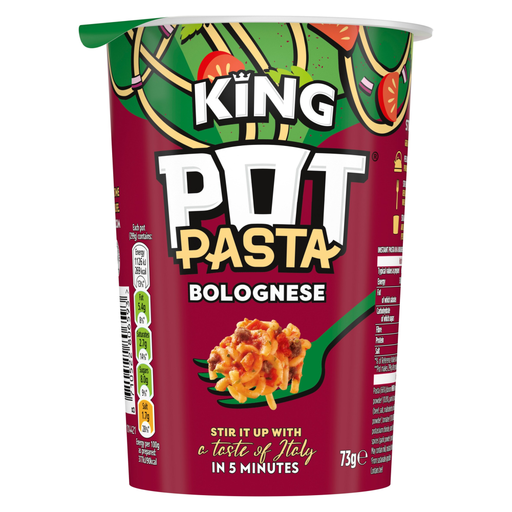
Why This Fits Their Persona: A 73g pot is a straightforward option for students, office lunches and shoppers trying instant pasta for the first time. It requires hot water and around five minutes of preparation.
The individual format avoids committing to a large multipack before confirming that the Bolognese flavour suits you.
Hot-water preparation; cupboard storage; 261 kcal and 1.6g salt per listed pot.
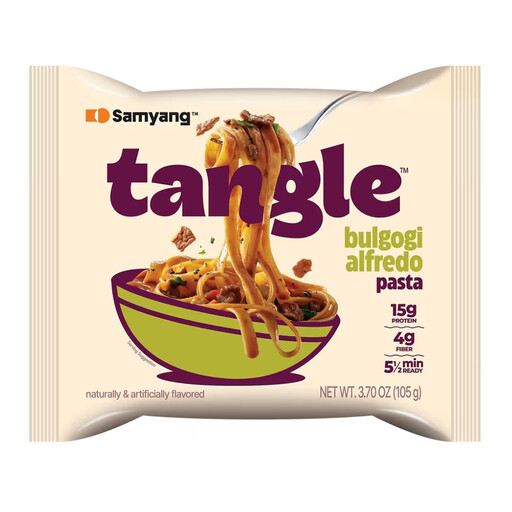
Why This Fits Their Persona: This suits Korean food enthusiasts who want a more distinctive flavour combination, combining a bulgogi-style sauce with a creamy Alfredo-inspired finish.
The product description and nutrition details identify wheat and soya allergens, helping shoppers check suitability before ordering.
105g pack; 12g protein per 100g; chewy wheat pasta with bulgogi and creamy-style seasoning.
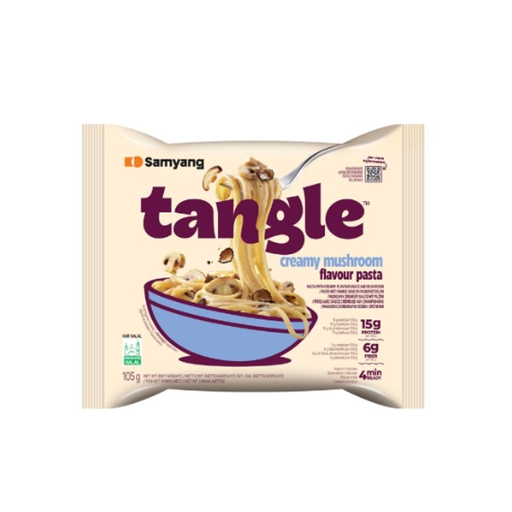
Why This Fits Their Persona: A practical choice for shoppers seeking vegan instant pasta with a creamy mushroom flavour and a listed protein content of 12g per 100g.
It is clearly identified as vegan in the listing, while the wheat allergen and shared-facility information remain visible for careful checking.
Plant-based positioning; mushroom sauce; 105g serving; no animal-derived ingredients listed in the supplied description.
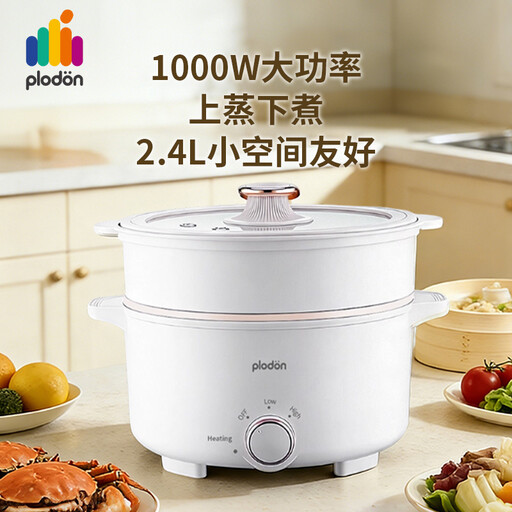
Why This Fits Their Persona: Suitable for tenants, halls of residence and small households that want to cook pasta, instant noodles, soup or eggs without using a full-size hob.
The stated capacity, UK plug and compact 27×22cm body make space and compatibility easier to assess before purchase.
1,000W heating; two power settings; non-stick interior; detachable steamer attachment.
We have compiled a complete, real-time list of products that fully satisfy these strict selection criteria and UK safety regulations.
Usually not. Many products are dried or semi-dried and require hot water, boiling or another stated preparation method. Always follow the packet instructions and allow the pasta to cook fully.
Shelf life varies by product and batch. Keep unopened packs in a cool, dry place and use the printed best-before information as the guide. Discard packaging that is open, damaged or leaking.
Running cost depends on the appliance’s power rating, cooking time and your electricity tariff. A 1,000W appliance uses 1 kilowatt-hour if operated continuously for one hour, although boiling pasta normally takes less time. Check the appliance instructions and avoid leaving it unattended.