
24/7 Customer Support

Free returns

Same-day & Next-day Delivery

Quality Guaranteed

Unlock Your Welcome Offers: FREE Delivery | Up to 80% OFF | Free 30-day JoyPlus trial
Download the APP
As a Joybuy Product Recommendation Officer, my role is to help you navigate the crowded shelves of convenience food. Instant ramen has become a staple in many UK households, offering a quick, warm and satisfying meal. However, the sheer variety can be overwhelming, and not all packets are created equal. Many shoppers find themselves disappointed by bland broths, mushy noodles, or spice levels that offer heat but no real flavour.
This guide will help you sidestep the common pitfalls and identify the key features that separate a genuinely satisfying bowl of noodles from a forgettable one. We will break down what to look for so you can stock your pantry with confidence.
Before you add to your basket, be aware of these frequent issues that can lead to a disappointing meal:
To ensure you get a delicious and convenient meal, focus on these three core parameters.
The soul of any ramen is its broth. The seasoning format tells you a lot about its potential quality.
The noodle is the vehicle for the broth, and its texture is crucial.
How you plan to eat your ramen should influence the format you buy.
Based on these criteria, here are a few options tailored to different needs and preferences.
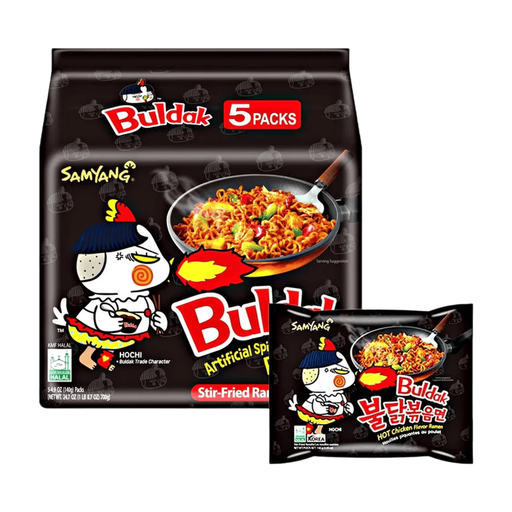
Why This Fits Their Persona: For those in the UK who follow the viral spicy noodles trend, this is the benchmark. It delivers the intense heat they crave, but with a distinctive and savoury chicken flavour that makes it more than just a challenge.
It masterfully avoids the "heat without heart" pitfall. The included sauce paste provides a deep, savoury and slightly sweet flavour profile that underpins the formidable spiciness.
Features exceptionally thick, chewy noodles that don't get mushy and hold the rich sauce perfectly. The stir-fry preparation method ensures every strand is coated.
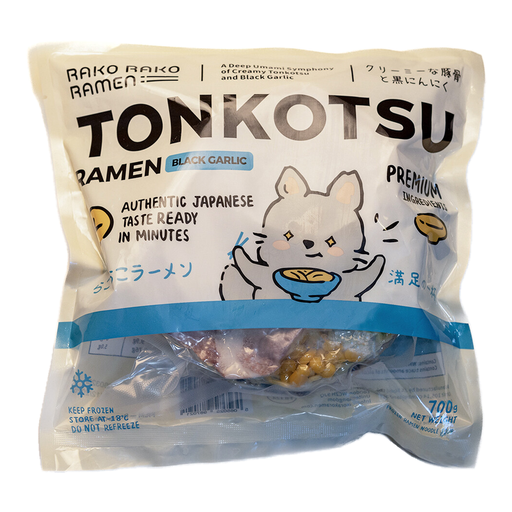
Why This Fits Their Persona: For the discerning foodie who wants a genuine Japanese ramen experience at home. This frozen ramen is a complete meal, perfect for a weekend treat without the hassle of simmering broth for hours.
It completely bypasses the "bland broth" trap. The base is a rich, authentic tonkotsu pork bone soup, and it includes real toppings like pork char siu, mushrooms and black garlic oil for layered flavour.
All-in-one convenience with no need to add water. The flash-freezing process preserves the fresh texture of the noodles and the deep flavour of the broth and toppings.
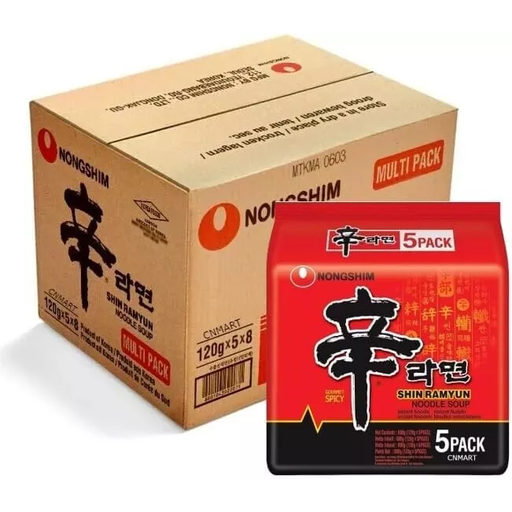
Why This Fits Their Persona: Ideal for students, families or anyone looking to bulk buy ramen noodles. This 40-pack of Nongshim Shin Ramyun ensures the pantry is always stocked with a reliable, flavourful and quick meal option.
This product is globally recognised for a reason. It avoids the "mushy noodle" problem with its signature thick, chewy noodles and delivers a consistently robust and spicy broth that is far from bland.
Excellent value for money with a very low cost-per-serving. The iconic, satisfyingly spicy flavour makes it a versatile base for adding your own ingredients.
We have compiled a complete, real-time list of products that fully satisfy these strict selection criteria and UK safety regulations.
1. How can I make my instant ramen taste better? Upgrading your instant ramen is easy. Try adding a soft-boiled egg, a slice of processed cheese for creaminess, some chopped spring onions for freshness or a handful of frozen sweetcorn. A drizzle of sesame oil or chilli crisp right before serving can also elevate the flavour significantly.
2. Are frozen ramen noodles better than dried ones? "Better" depends on your priority. Frozen ramen generally offers a superior texture and a more complex, restaurant-style broth because the ingredients are less processed. However, they require freezer space and are typically more expensive. Dried instant ramen offers unparalleled convenience, a long shelf life and excellent value, making it a perfect pantry staple.
3. What is the main difference between Japanese and Korean ramen? While there are many variations, a general distinction can be made. Japanese ramen often focuses on the intricacy of the broth, with popular styles like tonkotsu (pork bone), miso (soybean paste) and shoyu (soy sauce). Korean ramen, or 'ramyeon', is often characterised by a bolder, spicier flavour profile. Many popular Korean varieties, like Samyang Buldak, are also designed as 'stir-fry' noodles rather than a soup.