
24/7 Customer Support

Free returns

Same-day & Next-day Delivery

Quality Guaranteed

Unlock Your Welcome Offers: FREE Delivery | Up to 80% OFF | Free 30-day JoyPlus trial
Download the APP
Instant ramen noodles can be a useful cupboard staple for students, busy professionals and families, but attractive packaging does not always tell you what you are buying. The important differences are often hidden in the preparation method, portion size, seasoning sachets and storage format.
As the Joybuy Product Recommendation Officer, I focus on practical details that help UK shoppers compare products without relying on exaggerated marketing language.
Some instant noodles use a non-fried noodle block, which is an objective preparation feature. However, this does not automatically make the whole meal low in salt, fat or calories. The soup base and oil sachets can contribute significantly to the final bowl.
For example, Lamianfan Tonkotsu Ramen Noodles list 5.2g salt per 100g, while the Lamianfan Tomaten Tonkotsu Ramen 5 Pack lists 6.1g per 100g. These figures are useful for comparison, but always check the serving size and the current packaging before purchase.
Tonkotsu describes a pork-bone-style flavour profile, but instant products vary considerably. Some use powdered seasoning, some include an oil sachet, and others are concentrated soup bases designed to be diluted.
A cup of tonkotsu ramen may be suitable for a desk lunch, while a larger packet may offer more noodles and toppings for a meal at home. Neither format should be judged by the flavour name alone.
Many Japanese ramen and Korean ramen products contain wheat, soya, sesame, milk, fish or barley. Products with pork-style or seafood-style flavourings may also be unsuitable for particular diets, even where the product name does not immediately make this clear.
UK shoppers should read the bold allergen information on the product page and packaging. Also check whether the item requires cooking, whether it contains sweeteners, and whether a halal or vegan suitability statement is provided.
Look for the preparation method that suits your routine:
If you prefer springy noodles with a firmer bite, check whether the instructions specify boiling or steeping. Adding noodles to water that is not fully boiling can affect texture.
A ramen soup base gives you more control than a complete instant meal. Concentrated shoyu soup bases can be diluted with boiling water and combined with separately cooked noodles, vegetables or protein.
For instance, Kikkoman Concentrated Ramen Noodle Soup Base Shoyu Flavour recommends diluting 30ml with approximately 270ml of boiling water. Marutomo’s dashi shoyu and tonkotsu-style soup products are also designed as ready-to-use bases for creating ramen at home.
Choose based on the bowl you want:
A ramen multipack can work well for shared households, planned lunches or regular cupboard storage. A five-pack provides multiple portions without the waste associated with buying individual cups.
Instant noodle cups are easier to carry to work, university or travel accommodation, but they take up more space per serving and may include fewer noodles than a packet format. Check the net quantity rather than judging portion size from the cup dimensions.
For storage, keep unopened products in a cool, dry place away from direct sunlight and humidity. Once prepared, consume immediately. Soup bases may require refrigeration after opening, so read the label before storing them in a kitchen cupboard.
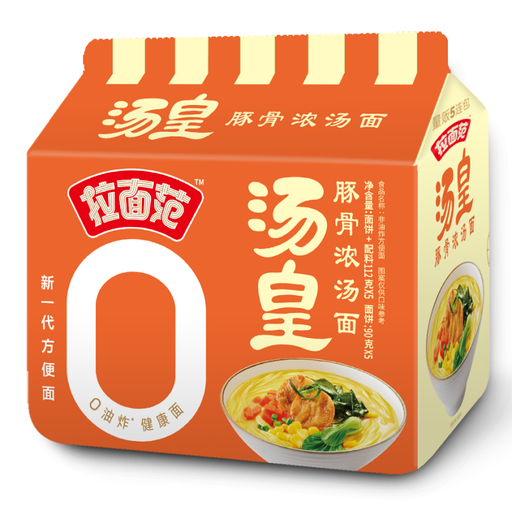
Why This Fits Their Persona: A five-pack gives students, flat-sharers and small households several servings for cupboard storage and sharing.
The listing clearly identifies non-fried noodles, pack size, allergens and preparation time rather than relying only on flavour-led wording.
112g portions; vegetable, soup and oil packets; three-minute covered preparation.

Why This Fits Their Persona: Suitable for cooks who want to build a customised Japanese-style bowl with their own noodles and toppings.
It is a soup base rather than a complete noodle meal, so you can control noodle quantity, toppings and dilution.
500ml bottle; dashi and soy sauce flavour profile; ready to use with cooked noodles.

Why This Fits Their Persona: A bulk option for families, frequent Korean ramen shoppers, office kitchens or organised meal cupboards.
The listing states the 40-pack quantity, 120g individual size, four-to-five-minute cooking time and allergen warnings.
4.8kg total quantity; dried vegetable and mushroom flakes; preparation on the hob.

Why This Fits Their Persona: A compact cooking appliance for suitable halls, offices or small kitchens where hob access is limited.
The stated 1.6L capacity, 600W power, auto power-off and boil-dry protection help clarify the intended use.
Non-stick interior; dual-power cooking; suitable for noodles, eggs and soup.
We have compiled a complete, real-time list of products that fully satisfy these strict selection criteria and UK safety regulations.
Instant noodles are primarily a carbohydrate-based meal, so consider adding ingredients that suit your dietary needs and cooking facilities. Spring onions, pak choi, mushrooms, sweetcorn, a cooked egg or leftover chicken can add texture and variety.
For soup bases, prepare the broth separately and dilute according to the label. Avoid adding the entire seasoning sachet automatically if you are monitoring salt intake; using part of the sachet changes the flavour and nutritional contribution, so adjust gradually.
Yes, provided you have access to boiling water or a suitable appliance. Instant noodle cups are convenient where only a kettle is available. Packet noodles generally require a saucepan or portable cooker, unless the instructions specifically allow steeping in a bowl.
Unopened products can generally be stored at room temperature until the best-before date shown on the packaging, provided they remain dry and sealed. Check the packaging when your order arrives, and consume prepared noodles immediately. Opened soup bases may need refrigeration.
“Non-fried” describes how the noodle block is made; it is not a complete health assessment. Compare the full nutrition panel, particularly salt, fat, saturates and portion size, and read the allergen information before choosing.