
24/7 Customer Support

Free returns

Same-day & Next-day Delivery

Quality Guaranteed

Unlock Your Welcome Offers: FREE Delivery | Up to 80% OFF | Free 30-day JoyPlus trial
Download the APP
Korean tteokbokki has become a popular way to enjoy Korean street food at home. These chewy Korean rice cakes are usually served in a sweet, savoury and spicy sauce, with instant tteokbokki cups and pouches making preparation practical for students, busy professionals and families.
However, attractive packaging can hide important differences. Before buying Korean spicy rice cakes, check the format, ingredients, preparation method and storage requirements rather than choosing by flavour name alone.
“Original”, “hot” and “sweet and spicy” are not consistent heat measurements. A traditional gochujang-style sauce may taste considerably hotter than a tomato-based sweet sauce. Cheese sauces can feel milder, while carbonara-style varieties may combine dairy flavour with chilli heat.
If you prefer gentle spice, look for cheese tteokbokki, jjajang sauce or sweet and spicy rice cakes. If you want a stronger chilli flavour, choose a hot and spicy cup and customise it with less seasoning powder initially.
Many rice cake products contain wheat and soy, even when the main ingredient is rice. Sauces may include wheat flour, soy sauce, sesame or milk ingredients. “Vegetarian-friendly” also does not automatically mean halal, and halal suitability should be confirmed from the product information or certification rather than assumed.
Always read the full ingredients and allergen statement, particularly when buying for children, guests or anyone with food allergies.
Shelf-stable pouches and microwave cups are convenient for cupboard storage. By contrast, hot pot rice cakes may require freezer storage at -18°C or colder and thawing before use. A multi-pack may offer better cupboard stock-up convenience, but it is poor value if you do not enjoy the flavour or cannot use it before opening.
Check the wattage instructions before buying microwave tteokbokki. Many cups specify 2 minutes at 1,000W or 3 minutes at 700W. Microwave performance varies, so the product should be piping hot before eating.
Pan-cooked versions usually require approximately 100ml of water and several minutes of stirring. Sauce consistency matters: cooking continues until the liquid thickens and coats the rice cakes evenly.
Compare the net quantity, not just the number of packs. A 120g cup is generally positioned as a snack or light meal, while a 240g pouch provides a larger portion or can be shared.
Rice cake products are mainly carbohydrate-based. Nutrition labels supplied with the products vary, with examples ranging from approximately 230 to 360 kcal per 100g. Salt and sugar levels also differ between sauces, so check the UK-facing nutrition panel when managing your intake.
The following selections match different shopping needs using listed product features, preparation methods and storage information.
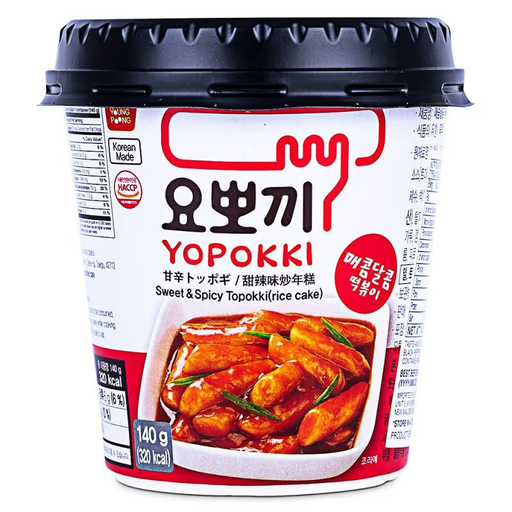
Why This Fits Their Persona: A single 140g cup provides an accessible introduction to Korean street food without committing to a multi-pack.
The portion and microwave instructions are clearly stated, helping first-time buyers avoid oversized packs or complicated preparation.
140g single-serving cup; microwave preparation takes 2 minutes at 1,000W or 3 minutes at 700W.
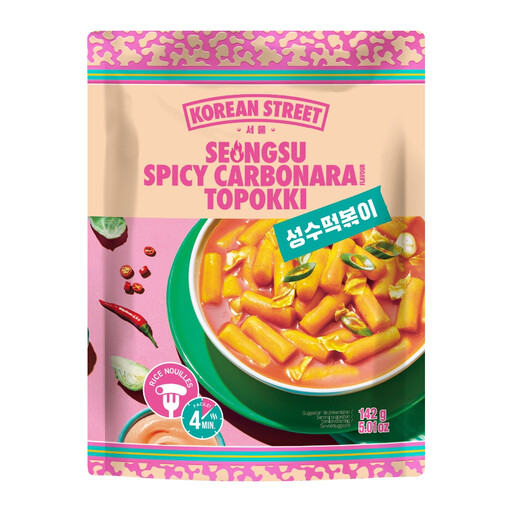
Why This Fits Their Persona: The spicy carbonara-style format suits shoppers looking for a richer, creamy variation rather than a straightforward red sauce.
Its separate sauce and seasoning components make the flavour easier to adjust, while the allergen statement flags wheat and soy plus possible traces.
142g portion; pan preparation in approximately 3–4 minutes; includes sauce and cheese-flavoured seasoning.

Why This Fits Their Persona: A halal-certified pouch suits Muslim shoppers who want a cupboard-friendly Korean spicy rice cake option for casual meals.
The listing identifies halal certification, allergens and storage conditions, rather than relying only on Korean-style branding.
240g pouch; ambient storage before opening; pan preparation in approximately 5–7 minutes.
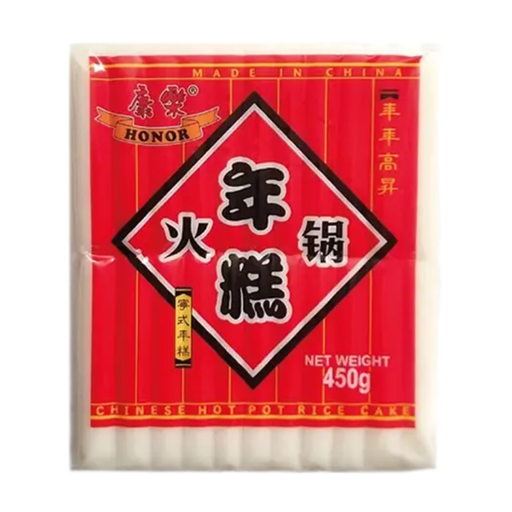
Why This Fits Their Persona: Plain hot pot rice cakes suit families and frequent cooks who want to create tteokbokki, soups and stir-fries with their own sauces.
There is no pre-selected sauce to limit your recipes. You choose the seasoning, portion and cooking style, but must allow for freezer space.
450g pack; suitable for hot pot, soups, stir-frying and homemade tteokbokki; store frozen below -18°C.
We have compiled a complete, real-time list of products that fully satisfy these strict selection criteria and UK safety regulations.
For a pouch, place the rice cakes, seasoning and the stated amount of water in a pan. Bring the mixture to the boil, then reduce the heat and stir until the sauce thickens. Products may vary, so follow the instructions printed on the packaging.
For a cup, add the rice cakes and seasoning, fill to the marked line and stir before microwaving. Cover the cup as directed, and do not seal it fully during heating. Serve immediately once piping hot.
Keep unopened ambient products in a cool, dry place away from direct sunlight. After opening, follow the product’s instructions carefully. For the halal original pouch, unfinished food should be refrigerated at 0–4°C and consumed within 24 hours. Frozen hot pot rice cakes should remain below -18°C and must not be refrozen after thawing.
Heat varies by sauce. Original and hot-and-spicy versions generally have more chilli character, while cheese, jjajang and sweet and spicy rice cakes can offer a milder or rounder flavour. Add only part of the seasoning at first if you are unsure.
Most microwave cups take around 2 minutes at 1,000W or 3 minutes at 700W. Pan versions commonly take approximately 3–7 minutes. Always check that the food is piping hot and follow the preparation instructions on the packaging.
Prepared tteokbokki is generally intended to be eaten immediately. If a pouch is opened but unfinished, use the product’s stated refrigeration guidance; the Yopokki Halal Original Pouch advises refrigeration and consumption within 24 hours. Do not assume every product has the same storage period.