Families baking oat biscuits regularly
Choose a pack with enough plain oats for repeated batches, and compare total pack weight rather than relying on sachet count alone.


For repeated family biscuit baking, choose plain rolled porridge oats in a 1kg bag when the recipe calls for a visible, chewier oat texture. Plain instant or quick-oat sachets can suit a softer result or portioned convenience, but check the ingredients and allergen information on every pack before baking for others.
Choose a pack with enough plain oats for repeated batches, and compare total pack weight rather than relying on sachet count alone.
Rolled oats are the closer match when a recipe calls for a chewier, more visible oat texture.
When baking for someone with gluten-free or other allergen requirements, the exact pack label and precautionary statements matter as much as the oat format.
Start with the recipe’s oat type, then compare the pack format, ingredients and allergen information for the amount of baking you expect to do.
| Priority | What to check | Your needs |
|---|---|---|
| Pack format | Check total weight, whether oats are loose or portioned, and how many batches your recipe uses. | For regular baking, I want enough oats on hand without opening several individual sachets for one batch. |
| Oat texture | Match the recipe’s wording: rolled or porridge oats give a larger oat presence, while quick oats are smaller. | I want the biscuit texture the recipe intends, especially when it calls for a chewy, visible oat bite. |
| Plain ingredients | Read the ingredient list and flavour description. Choose plain oats when the recipe supplies its own sugar, syrup, fruit or spices. | I want control over the flavour of the finished biscuits rather than adding ingredients from a flavoured porridge sachet. |
| Allergen information | Check the exact pack for gluten-free labelling, ingredients and precautionary allergen statements. | If the biscuits need to meet a particular dietary requirement, I need a product label that matches that requirement. |
Quick oats are smaller and less chewy than rolled oats, so a like-for-like substitution can change the biscuit’s texture.
Match the oat type named in the recipe where possible. If you use instant or quick oats instead, make a small test batch first.
A large-looking box of portions can contain less oat material than a loose bag, which matters when you bake often.
Work out how many grams your recipe needs per batch, then compare that with the total weight in each pack.
Gluten-free oats are still oats, and individual products can carry separate warnings for wheat, barley, soya, milk, nuts or peanuts.
Read the ingredients, allergen declaration and precautionary statements on the exact pack every time, particularly when baking for someone with coeliac disease or an allergy.
Product availability can change, which can disrupt a regular baking routine if you rely on one particular sachet pack.
Confirm current stock before planning repeat bakes, and only switch to rolled oats when the recipe can accommodate the texture difference.
A UK option for plain 1kg rolled porridge oats and portioned Original microwaveable sachets, including larger sachet packs.
A supermarket own-label route for a plain 1kg Scottish porridge-oat pack intended for repeated baking.
A supermarket option with own-brand instant oat sachets and a range where pack formats can be compared.
A relevant option when a specifically gluten-free traditional oat product is needed alongside a wider porridge and oats range.
An oat specialist with organic rolled oats, natural sachet products and brand-published baking recipes.
Joybuy product options for repeated family biscuit baking, including loose oat packs and one portioned instant-oat option.
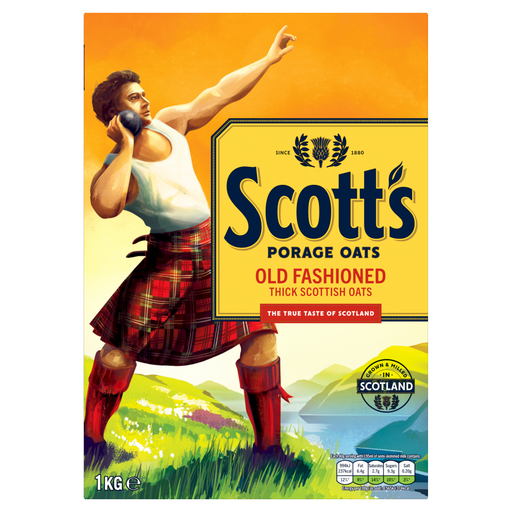 No image available
A loose pack for recipes that call for a thicker rolled-oat texture.
 No image available
A plain 1kg option for biscuit baking where a gluten-free labelled oat product is required.
 No image available
A larger plain-oat bundle for households baking several batches over time.
 No image available
A plain loose-oat pack for multiple biscuit batches with recipe-controlled flavouring.
 No image available
A portioned plain-oat option for an occasional test batch or when measuring convenience matters.
Usually, but expect a different texture. Rolled oats retain more shape and chew, while quick oats are smaller and less chewy; if the recipe specifies rolled oats, use them for the closest result or test a small batch after substituting.
For frequent baking, compare the total grams against the amount used in each batch. Sainsbury's and Quaker examples include 1kg loose porridge-oat bags, while Tesco Groceries lists a Quaker Original sachet pack containing 22 x 27g, or 594g.
Only when the recipe is designed around that flavour. For standard oat biscuits, plain oats leave the sugar, syrup, fruit and spices under your control, whereas flavoured sachets can introduce their own ingredients and flavour profile.
No. Use a product specifically labelled gluten-free when that is required. The Food Standards Agency states that food labelled gluten-free must contain no more than 20 mg/kg gluten, and oats remain an allergen in their own right, so check the exact pack and any additional allergen warnings.