
24/7 Customer Support

Free returns

Same-day & Next-day Delivery

Quality Guaranteed

Unlock Your Welcome Offers: FREE Delivery | Up to 80% OFF | Free 30-day JoyPlus trial
Download the APP
Instant sachets are useful for busy mornings, office drawers, travel bags and post-gym routines. However, attractive packaging can make it difficult to compare what you are actually buying. A low price may reflect a smaller serving, while a café-style description may hide added sugar, milk allergens or a preparation method that is less convenient than expected.
The following guide highlights the main buying pitfalls and compares practical options for different UK lifestyles.
A box may contain several sachets but offer relatively small servings. Compare the number of individual sachets, the gram weight per sachet and the total pack weight, rather than relying on the front-of-pack image.
This is particularly important when comparing instant porridge sachets with coffee sachets. A six-sachet breakfast pack and a five-sachet latte pack are designed for different serving sizes, so price per serving provides a clearer comparison than price per box.
Words such as “caramel”, “golden syrup” and “velvety” describe flavour, not nutritional suitability. Check the ingredients and nutrition panel before buying. Some flavoured coffee mixes contain sugar, glucose syrup or milk powder, even when the product is prepared with water.
For example, Starbucks Premium Instant Caramel Latte lists 14.2g of sugars per 23g sachet, while Costa Salted Caramel Latte sachets also include sugar and glucose syrup. Unsweetened cappuccino mixes may still contain naturally occurring or ingredient-derived sugars, so read the full label rather than assuming “unsweetened” means sugar-free.
A sachet is only convenient if you have the right preparation equipment. Instant porridge usually requires a microwave or hot water, while coffee and hydration products need a mug, bottle or shaker. Some powders also require vigorous stirring before drinking.
Check whether the product needs boiling water, hot but not boiling water, microwave heating or cold water. For travel, a powder or liquid concentrate may be more suitable than a product requiring a microwave.
Preparation instructions affect whether a product works at home, work or on the go.
Look for clear information about milk, lactose, gluten, soya and sweeteners. Many cappuccino and latte sachets contain milk powder or lactose, so they may not suit people avoiding dairy.
Coffee lovers seeking decaf coffee sachets should confirm that “decaffeinated” appears in the ingredients, as with the NESCAFÉ Cappuccino Decaf Unsweetened option. Health-conscious shoppers comparing zero sugar electrolyte sachets should also check whether zero sugar means the product uses sweeteners, and whether there are age or intake warnings.
Single-serve drinks are convenient because they reduce measuring and help preserve unused portions. Still, sachets should be kept in a cool, dry place, protected from moisture. Liquid cold brew pouches need careful storage according to the label, while opened porridge boxes should remain sealed.
For regular household use, a 20-sachet family pack can reduce how often you reorder. For occasional travel or sampling a flavour, a five- to seven-sachet box may create less waste.
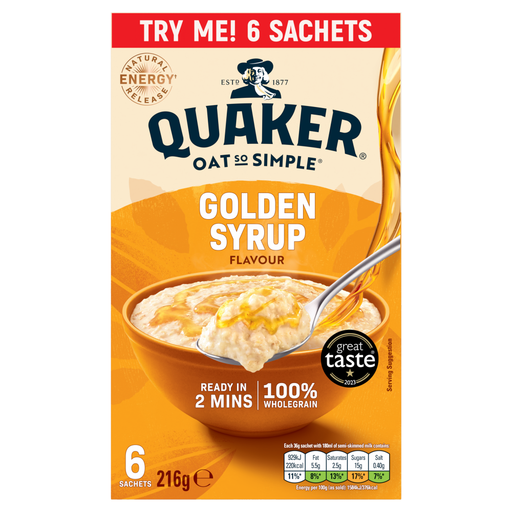
Why This Fits Their Persona: A straightforward breakfast option for students, commuters and households wanting portioned servings without buying a large bulk pack.
The six clearly divided 36g portions make serving size easy to understand. The label lists 100% British wholegrain oats and natural flavourings, while buyers can check the sugar content before adding milk.
Ready in about two minutes in a microwave; recyclable outer packaging; suitable for home, work or travel where heating is available.
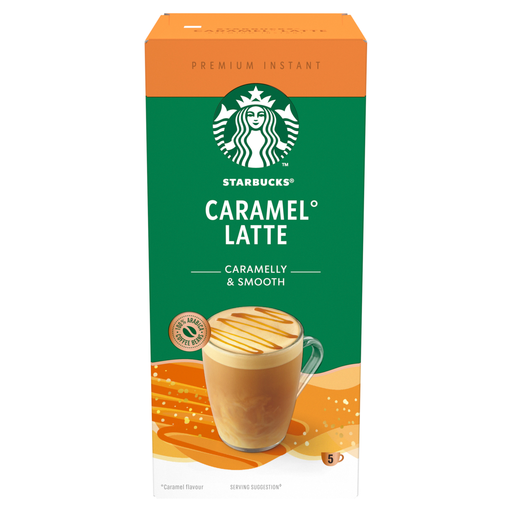
Why This Fits Their Persona: Designed for coffee drinkers who prefer a creamy caramel-style drink and want individually portioned preparation at home or in the office.
The five 23g sachets make the serving count clear. Its ingredient list and per-sachet nutrition panel allow shoppers to account for milk, sugar and calories rather than judging only by the coffeehouse-style branding.
Uses 100% Arabica coffee according to the product description; includes skimmed milk powder and natural flavouring for a creamy caramel profile.
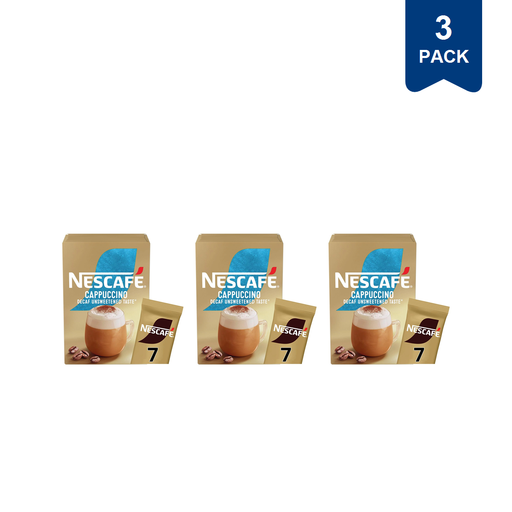
Why This Fits Their Persona: A practical choice for regular decaf drinkers who want multiple packs available for home, work or evening use.
The product is specifically identified as decaffeinated, avoiding the uncertainty that can arise when a standard cappuccino is marketed mainly by flavour. Milk allergen information is also shown clearly.
Three packs provide 21 individual servings; each sachet is prepared with hot water and is described as producing a frothy cappuccino-style drink.
For cold drinks, cold brew coffee concentrate can be more flexible than powdered coffee. J.ZAO Extra-Strong Americano contains 10 liquid pouches, with zero sugar and zero fat listed in the product information. It can be diluted with hot or cold water, milk or sparkling water.
For exercise, commuting or warm-weather use, zero sugar electrolyte sachets offer a portable alternative to bottled drinks. Applied Nutrition BodyFuel sticks contain electrolytes, coconut water powder, taurine and B-vitamins. Follow the stated intake guidance and safety information, including restrictions for children, pregnant women and under-18s.
If you prefer to customise sweetness, Taikoo Golden Coffee Sugar Crystals Sachets can be added to coffee or tea as required. Explore the wider sugar sachets range to compare pack formats and everyday options.
We have compiled a complete, real-time list of products that fully satisfy these strict selection criteria and UK safety regulations.
Yes, provided you have the required equipment. Coffee powders usually need hot water, porridge may need a microwave, and electrolyte sticks need a bottle or cup. Liquid cold brew concentrate can be useful where both hot and cold preparation are required.
Shelf life varies by product. Check the best-before information printed on the packaging and store sachets in a cool, dry place. Once an outer box is opened, keep the remaining sachets sealed to reduce exposure to moisture and protect the texture of powders.
They can reduce the cost per serving, but the comparison depends on the pack price, serving size and whether you add milk or sugar. Calculate the cost per prepared drink and check the nutrition panel before choosing a flavoured latte, cappuccino or porridge option.