
24/7 Customer Support

Free returns

Same-day & Next-day Delivery

Quality Guaranteed

Unlock Your Welcome Offers: FREE Delivery | Up to 80% OFF | Free 30-day JoyPlus trial
Download the APP
Rich, savoury and ready in minutes, instant tonkotsu ramen noodles are a convenient choice for busy UK households, students, office lunches and Japanese food enthusiasts. However, the words “rich broth” or “restaurant-inspired” do not tell you everything about the product.
Before adding a ramen multipack or instant ramen cup to your basket, check the preparation format, noodle type, seasoning strength and allergen information. These details can make the difference between a convenient meal you will enjoy repeatedly and a purchase that remains forgotten in the cupboard.
Tonkotsu ramen traditionally refers to a rich pork bone broth, often associated with Hakata and Kyushu-style ramen. Instant products usually recreate this profile with flavourings, seasoning powders, oils, yeast extract and other ingredients. A product described as pork bone broth noodles may therefore offer a pork-style flavour rather than broth made by simmering pork bones.
Read the ingredient list rather than relying only on front-of-pack wording. This gives you a clearer idea of whether the flavour comes from pork bone seasoning, pork-style flavouring, garlic oil, miso or a blend of savoury ingredients.
A cup or bowl may look substantial, but pack sizes vary considerably. For example, some single-serve products contain around 63g to 74g, while bagged ramen and family packs provide more noodles per portion or multiple individual servings.
Check the net quantity and the number of servings before comparing prices. A lower shelf price may not represent better value if the pack contains fewer portions.
Instant ramen seasoning is designed to deliver a concentrated flavour in a short preparation time. The nutrition panels supplied for the products in this range show that salt levels can vary considerably. Some products list more than 5g of salt per 100g, while others list less.
Always check the UK packaging, especially if you are comparing products for regular meals. Tonkotsu ramen may also contain wheat, soya, sesame, milk, barley or fish, depending on the seasoning blend. This is particularly important when buying Japanese instant ramen for a family or workplace where dietary requirements differ.
Decide whether you want a classic savoury tonkotsu profile or a stronger variation. Hakata tonkotsu ramen generally refers to the Kyushu style associated with a pork-bone-inspired broth and thinner noodles. Black garlic tonkotsu ramen adds a darker, roasted garlic note, while spicy tonkotsu ramen uses chilli and spice extracts for more heat.
Also check whether the product includes separate soup and oil sachets. These allow you to adjust the seasoning more easily than a single blended packet.
Noodle processing affects texture, preparation and nutrition. Some instant ramen uses fried noodle blocks, while non-fried ramen noodles are dried using another process. The label should make this distinction clear.
Non-fried does not automatically mean low-salt or low-calorie, so compare the full nutrition panel rather than treating the description as a health endorsement. In practical terms, look for the texture you prefer: smooth and springy noodles, thicker udon-style strands or a conventional instant noodle block.
Choose the format around where you will eat it:
Preparation instructions also matter. Several products in this range require approximately three minutes after adding boiling water, while some bagged products need cooking in a pan. Follow the packaging instructions and do not consume noodles raw.
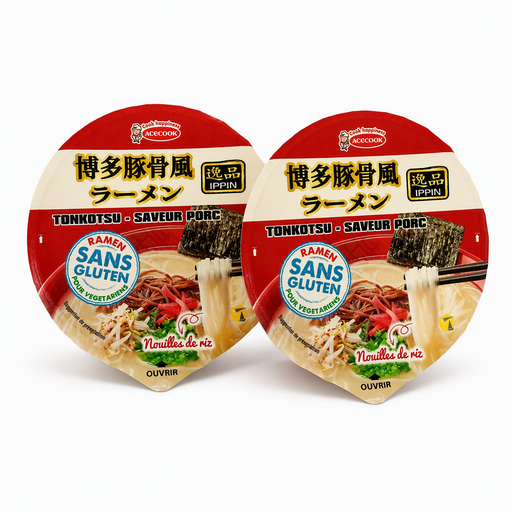
Why This Fits Their Persona: A two-pack of 63g bowls offers a straightforward way to try tonkotsu flavour without committing to a larger family pack. It suits students, first-time buyers and occasional quick lunches.
The clearly stated 63g portion and bowl format make it easier to compare quantity, preparation and price before buying.
Single-serve bowl; includes sesame and dried spring onion; ready with boiling water and approximately three minutes of cooking.
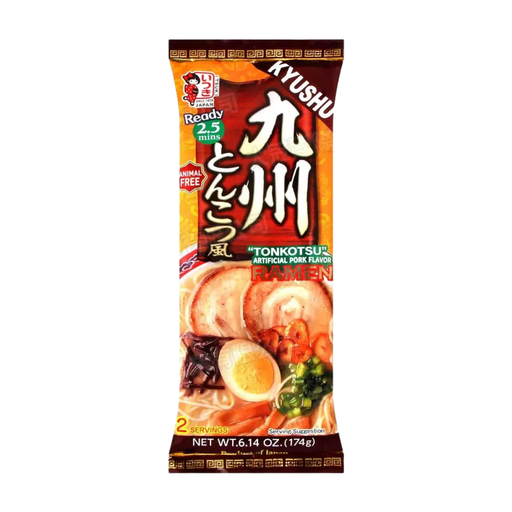
Why This Fits Their Persona: This bagged option is suited to shoppers who want a Kyushu-inspired meal base that can be customised at home with eggs, spring onions, seaweed or cooked meat.
The product description separates the noodle bundle from the soup base, making the preparation method and customisation potential clear.
Soup base is prepared with approximately 550ml of water; listed protein is 13g per 100g; contains wheat, milk and soya.
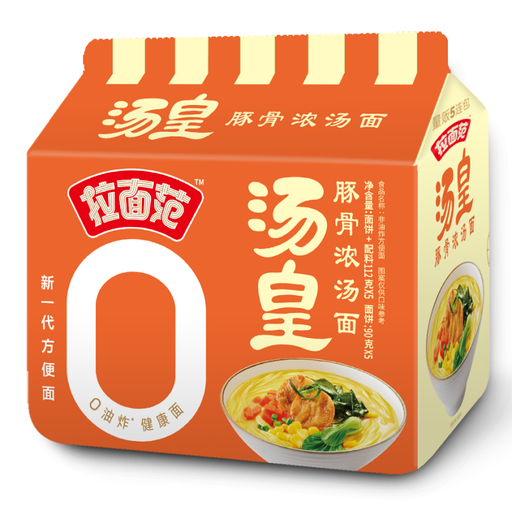
Why This Fits Their Persona: The five-pack works for households, meal planning and shoppers who want quick Japanese noodles available across several lunches or dinners.
The 112g × 5 format makes the total quantity transparent, while separate soup, oil, vegetable and savoury slice sachets show what is included.
Non-fried noodle block; five individual packs; includes dried vegetables and a pork bone-style soup seasoning.
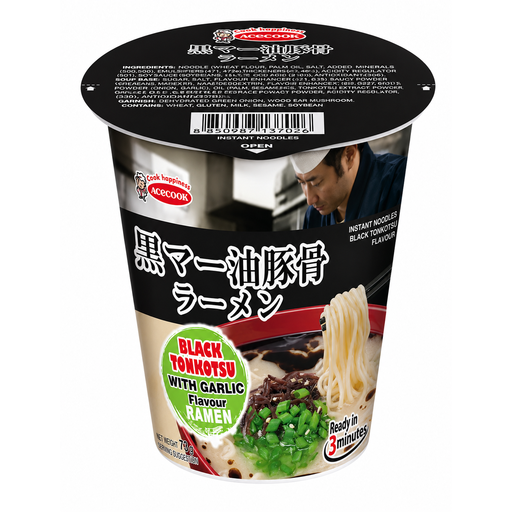
Why This Fits Their Persona: A compact cup with black garlic-style flavour suits shoppers looking for a more pronounced roasted garlic note in an easy office, travel or late-evening meal.
The listed ingredients identify garlic, oil, sesame and fish sauce, helping buyers understand the flavour and allergen profile before purchase.
73g cup format; includes roasted sesame, wood ear mushrooms and spring onion; designed for boiling-water preparation.
We have compiled a complete, real-time list of products that fully satisfy these strict selection criteria and UK safety regulations.
Instant ramen works well as a base rather than a complete meal. Add spring onions, sweetcorn, mushrooms, seaweed or leftover vegetables for extra texture. A cooked egg or prepared meat can make the bowl more substantial, but ensure all additions are properly cooked and stored.
For cup noodles, do not microwave unless the packaging specifically permits it. Use boiling water, fill to the marked line and wait for the stated time. Add soup or oil sachets in the order recommended on the label.
Many cup and bowl products take around three minutes after boiling water is added. Bagged varieties may require saucepan cooking. Always follow the instructions printed on the packaging, as noodle thickness and seasoning format differ.
Unopened products generally specify storage in a cool, dry place, away from direct sunlight or high temperatures. Once prepared, consume promptly rather than storing the cooked noodles at room temperature.
No. “Non-fried” describes the noodle-processing method, not the overall nutrition profile. The soup, oil and seasoning sachets can still contribute considerable salt, so compare the complete nutrition information and serving size before buying.