Choose an instant-coffee jar when you need to serve cups without brewing equipment; choose ground filter coffee if you want a brewed cup and have a suitable method. For an instant-coffee morning, match the jar size to likely use, let guests adjust the strength of their cups and offer a clearly labelled decaffeinated option when it is needed.
Who is an instant-coffee jar for?
An instant jar is a practical route when coffee must be made cup by cup without a filter machine or cafetière. It does not make a brewed filter-style cup.
Hosts without brewing equipment
Soluble coffee is prepared with hot water, so guests can make individual cups without a filter machine, cafetière or paper filters. Check that the jar is labelled as instant or soluble coffee rather than ground coffee.
Organisers serving a group
Consider how many cups guests are likely to make and whether the remaining coffee will be used later. Jar weights vary, so a larger pack is not automatically the right choice for a short gathering.
Hosts offering a caffeine choice
A separate decaffeinated jar gives guests another option alongside regular coffee. Keep the two jars clearly identified at the serving table so they are not confused.
What should you check before choosing?
Decide whether you want instant or brewed coffee before choosing a pack. If instant suits the serving setup, work through quantity, preparation and guests’ preferences.
| Priority |
What to check |
Your needs |
| Serving method |
Check whether the pack contains soluble instant coffee or ground coffee. Ground filter coffee needs a suitable brewing method; instant coffee is prepared in the cup with hot water. |
I need to make several cups without setting up brewing equipment, or I specifically want a brewed filter-style drink. |
| Jar quantity |
Compare the net weight with likely attendance and the amount you expect to use afterwards. Check the best-before date and the jar’s storage instructions. |
Will one jar cover the gathering without leaving more coffee than I am likely to use? |
| Strength and flavour |
Read the stated roast or strength and the preparation directions. Tesco Gold advises 1–2 teaspoons per cup, while Sainsbury's Gold Roast advises one; both specify hot, not boiling water. |
I would rather let guests adjust their own cups than make everyone’s coffee to one strength. |
| Caffeine choice |
If offering regular and decaffeinated coffee, identify each jar at the serving point. Do not treat a decaffeinated product as necessarily caffeine-free. |
Some guests may prefer decaf, so I want them to be able to choose the correct jar easily. |
| Pack information |
Read the physical jar’s ingredients and preparation instructions before serving. Check other items on the table, such as milk or biscuits, separately for relevant allergens. |
Guests with ingredient or dietary questions need to inspect the products actually being served. |
Common coffee-morning mix-ups
-
Confusing instant coffee with filter coffee
Ground filter coffee will not prepare in a cup like soluble instant coffee. Serving it calls for a suitable brewing method.
Choose instant coffee for hot-water, cup-by-cup preparation. Choose ground coffee when you intend to brew filter-style coffee and have the equipment ready.
If you buy ground coffee for a table set up only for instant drinks, you will also need suitable brewing equipment before serving it.
-
Choosing a jar by size alone
A larger jar provides more coffee, but some may remain after a smaller gathering.
Estimate likely use, then check the best-before date and storage directions before deciding how large a jar to open.
-
Making every cup to one fixed strength
Preparation guidance varies between jars, and guests may prefer different amounts of coffee in their cups.
Keep the jar instructions available and put out a teaspoon so guests can adjust their own servings.
-
Relying only on an online ingredient description
Product information can change. An online listing may not describe the formulation of the jar you are serving.
Read the physical pack before the gathering and keep it available if guests need to check ingredients or preparation directions.
Brand and format references
These references describe the formats identified in the cited brand and retailer ranges; they do not mean that every brand listed offers a comparable instant jar.
Sainsbury's
Sainsbury's instant-coffee range lists Gold Roast jars in 200 g and 500 g sizes, as well as a 200 g Gold Roast decaffeinated option.
- Its 200 g Gold Roast product is described as freeze-dried, with medium strength and guidance to use one teaspoon per cup.
- Check which jar is regular and which is decaffeinated before setting them out together.
Tesco
Tesco lists Gold Instant Coffee as a 200 g freeze-dried jar made with Robusta and Arabica beans.
- Tesco gives a starting measure of 1–2 teaspoons per cup.
- Tesco advises checking the pack because ingredients and allergen information can change.
Douwe Egberts
Sainsbury's listings identify Pure Gold freeze-dried instant coffee in 190 g and 400 g sizes.
- The 190 g listing describes Pure Gold as a medium roast; the 400 g listing gives it strength 3.
- Descriptions of smooth taste and aroma are product-listing claims, not a comparison of what every guest will prefer.
M&S
M&S describes its Gold Instant Coffee as freeze-dried, medium-roast and made with 100% arabica beans sourced from Fairtrade growers.
- The stated bean and roast details give hosts specific pack characteristics to compare.
- Check the pack and the quantity needed for the gathering rather than assuming one jar will cover every guest.
Lavazza
Lavazza lists Prontissimo Bilanciato as a 300 g freeze-dried instant coffee in its UK business range.
- Lavazza identifies this product as 100% Robusta soluble coffee.
- Check whether the business-range pack suits how you intend to buy and serve coffee at home.
Taylors of Harrogate
Taylors of Harrogate presents beans, ground coffee and coffee bags in its coffee range.
- Its ground coffee and coffee bags are formats to consider if you intend to brew rather than use an instant jar.
- Do not substitute ground coffee for soluble granules when the serving table is set up only for instant coffee.
Joybuy instant-coffee options
These jars are options for cup-by-cup service at a coffee morning: three are labelled decaffeinated, while two offer regular instant coffee. Check each physical jar’s directions and choose the quantity and caffeine option that suit the gathering.
 No image available
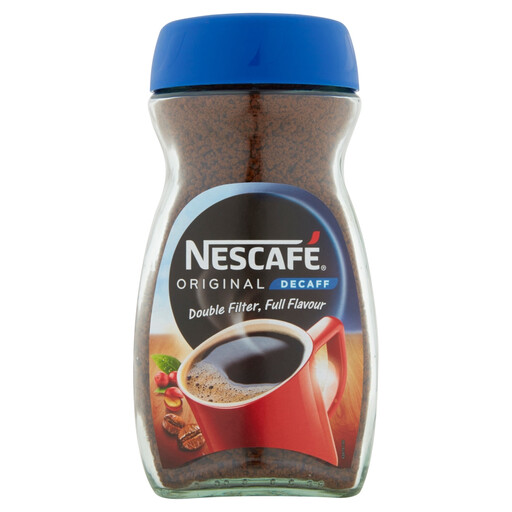
NESCAFÉ Original Decaff Coffee 300g
The 300 g decaffeinated jar is an option when you expect several guests to choose decaf. Keep it clearly identified beside regular coffee, and check the physical label for preparation directions before serving.
View on Joybuy
 No image available
NESCAFÉ Decaf (New Shape) 200g
This 200 g decaffeinated jar offers a separate choice alongside regular coffee. Label the two serving positions clearly and follow the directions on the jar for each cup.
View on Joybuy
 No image available
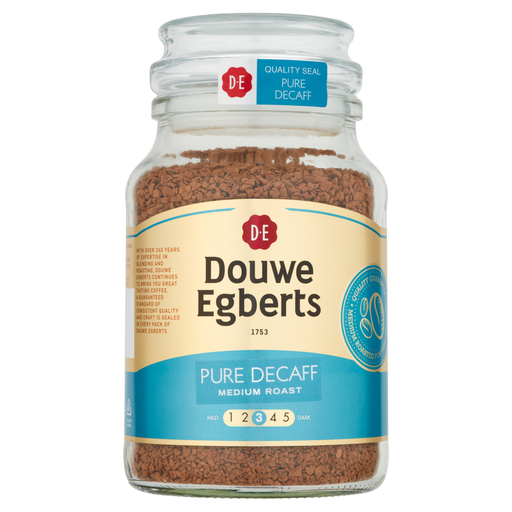
Douwe Egberts Pure Decaffeinated Instant Coffee 190g
This 190 g instant-coffee jar is labelled decaffeinated, making it a distinct option for guests who prefer decaf. Do not present decaffeinated coffee as caffeine-free; keep the jar available for guests to read its label.
View on Joybuy
 No image available
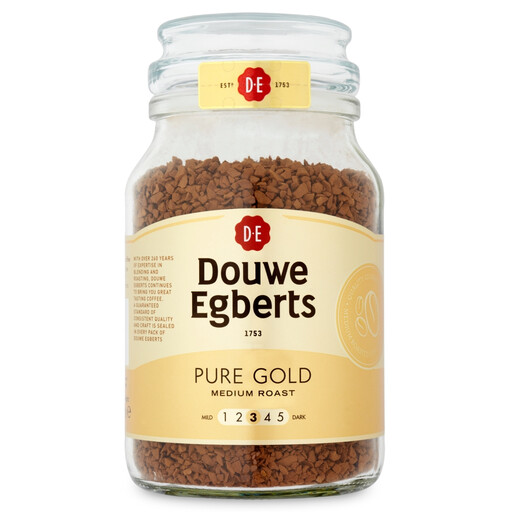
Douwe Egberts Pure Gold Medium Roast 190g
The 190 g jar is a regular-coffee option with a stated medium roast. That description helps identify the product but cannot predict every guest’s preference; let guests adjust their cups using the jar’s directions.
View on Joybuy
 No image available
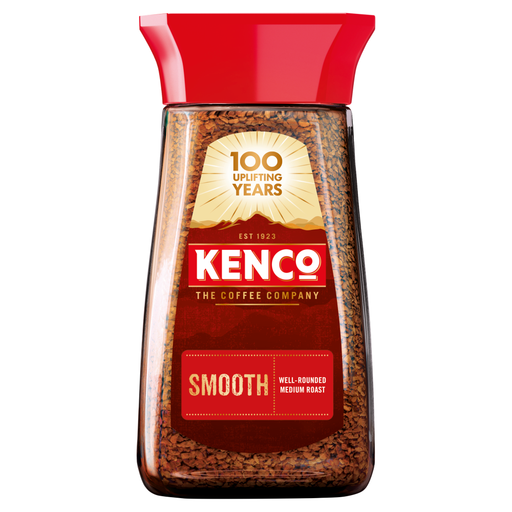
Kenco Smooth Instant Coffee 200g
The 200 g jar is labelled instant coffee and is another quantity to consider for shared, cup-by-cup service. Before buying, check that the physical jar identifies its contents as soluble coffee and follow its preparation directions.
View on Joybuy
Coffee-morning questions
Is an instant-coffee jar the same as filter coffee?
No. Instant coffee dissolves in hot water, while filter coffee is brewed from ground coffee. Choose an instant jar for cup-by-cup service without brewing equipment, or ground coffee if you have a suitable filter method and want a brewed drink.
How much instant coffee goes in each cup?
Follow the directions on the jar you serve. Tesco Gold advises 1–2 teaspoons per cup and Sainsbury's Gold Roast advises one teaspoon; both specify hot, not boiling water. A teaspoon at the serving table lets guests adjust their cups.
Should I put out a decaffeinated jar?
Offer one if guests may want to limit caffeine; it need not be part of every coffee morning. Keep it separate from regular coffee and label both clearly, without assuming decaffeinated means caffeine-free.
Can guests rely on the online ingredient description?
Check the physical pack before serving because product information can change. If you also serve milk, creamers or biscuits, keep their packaging available so guests can inspect those ingredients and allergens separately.


