
24/7 Customer Support

Free returns

Same-day & Next-day Delivery

Quality Guaranteed

Unlock Your Welcome Offers: FREE Delivery | Up to 80% OFF | Free 30-day JoyPlus trial
Download the APP
Choosing between Instant Pot kitchen appliances and instant hot pots can be surprisingly difficult. A multicooker may replace several worktop appliances, while an instant hot pot can provide a quick Asian-inspired meal with minimal preparation. However, attractive function counts and dramatic flavour descriptions do not always tell you whether a product suits your household.
The main buying risks are usually straightforward:
Capacity should match both your household and your storage space.
Remember that a large appliance needs clear space around its vents and lid. Measure your worktop, cupboard and storage area before ordering.
A 7-in-1 multicooker may include pressure cooking, slow cooking, steaming, sautéing, rice cooking, yoghurt making and keeping food warm. These cover many everyday meals without requiring multiple appliances.
A 9-in-1 multicooker can add features such as sterilising, while a 10-in-1 multicooker may also include sous vide and baking programmes. These functions are useful for people who regularly cook different types of food, but they should not be treated as essential automatically.
If rice is a regular part of your meals, an electric rice cooker and steamer may be easier to use than a pressure multicooker. For crisp textures, an Instant Pot air fryer, dual-drawer air fryer or Vortex air fryer is more appropriate than a conventional multicooker.
Look for a removable stainless-steel inner pot on a pressure multicooker if you want a durable cooking surface and straightforward washing. Rice cookers commonly use a removable non-stick pot, so avoid metal utensils and abrasive cleaners that may damage the coating.
Digital controls and preset programmes can make cooking more convenient, but they do not replace recipe guidance. Before pressure cooking:
For UK use, check the product listing for the supplied plug, electrical information, safety instructions and responsible seller details. Products should be used indoors and according to the supplied manual.
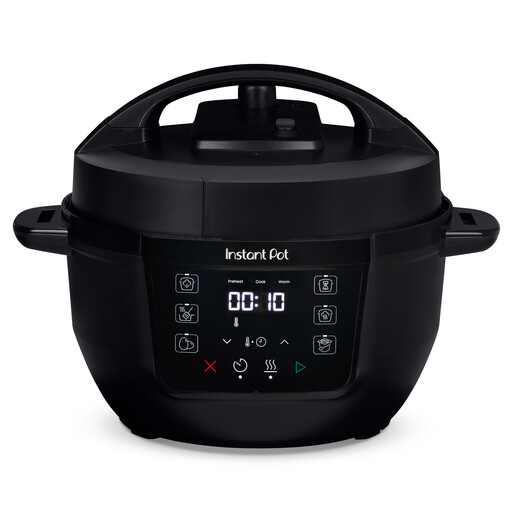
Why This Fits Their Persona: The compact 3.8-litre format suits couples, individuals and smaller UK kitchens without adding several separate appliances.
Its seven clearly listed functions avoid paying for advanced programmes that may rarely be used.
Pressure cook, slow cook, steam, sauté, cook rice, make yoghurt and keep food warm in one unit.
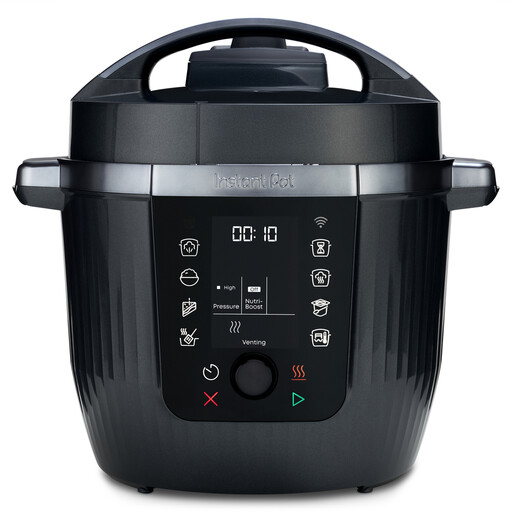
Why This Fits Their Persona: Families and meal-prep shoppers can use the 5.7-litre capacity for varied recipes and larger portions.
The product specification identifies ten functions and a 5.7-litre size, making the extra features easier to assess against real cooking habits.
Includes pressure cooking, slow cooking, steaming, sous vide, rice cooking, yoghurt making, sterilising, warming and baking.
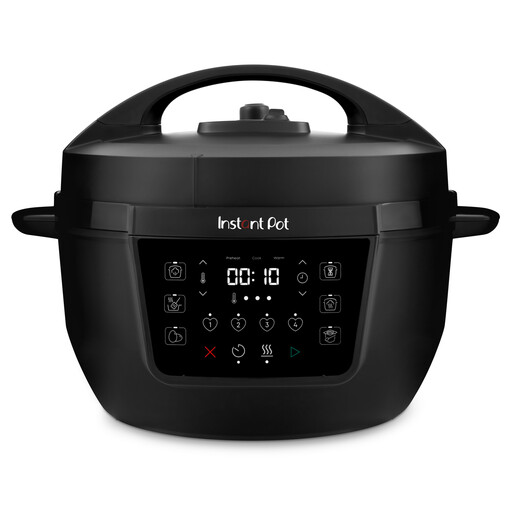
Why This Fits Their Persona: Large households, batch cooks and people preparing meals for gatherings benefit from the additional capacity.
The 7.1-litre specification provides a clearer capacity match than choosing a compact cooker for large batches.
Seven cooking modes, including rice cooking, steaming, sautéing, slow cooking and pressure cooking.
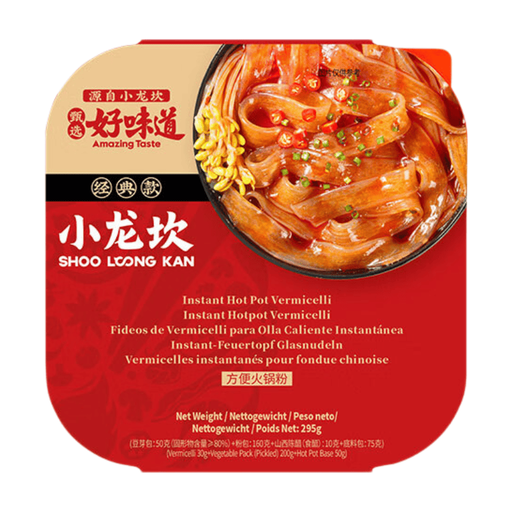
Why This Fits Their Persona: It is designed for a quick spicy meal when access to a hob or full kitchen set-up is limited.
The 295g pack states its heating method, preparation time and allergens, rather than relying only on flavour-led descriptions.
Includes sweet potato wide noodles, pickled bean sprouts and a self-heating pack; preparation takes approximately 15 minutes.
We have compiled a complete, real-time list of products that fully satisfy these strict selection criteria and UK safety regulations.
A multicooker is suited to soups, stews, beans, rice, steamed vegetables and batch meals. A rice cooker and steamer is more focused, with a generous 5L option available for family portions and up to 20 cups of cooked rice.
An air fryer is more suitable for crisping, roasting, baking and reheating. A dual-drawer air fryer allows two foods to cook with separate settings, while a 9L single-zone model can be divided or used as one larger cooking area.
Instant hot pot noodles are different from appliances. A mild spicy pack may suit a wider range of palates, while an extra spicy instant hot pot or spicy instant hot pot noodles are more appropriate for people who actively enjoy strong chilli and Sichuan pepper flavours. Always check allergen information, particularly for wheat, soya, milk, barley and sulphites, and review the salt content before buying.
Running cost depends on the appliance’s wattage, cooking duration, programme and electricity tariff. A shorter cooking cycle does not automatically mean lower cost. Compare the rated power on the product listing and consider how often you will use the appliance. Cooking a complete meal in one device may also reduce the need to run several appliances, but actual savings vary.
Lifespan depends on frequency of use, cleaning and replacement of consumable parts. Inspect the sealing ring, steam-release valve, lid and cable regularly. Do not use a cooker with damaged components, and follow the manufacturer’s guidance for replacement parts. Keeping the inner pot clean and avoiding overfilling can help maintain safe operation.
Use one only on a stable, heat-resistant, well-ventilated surface and follow the packet instructions. The heating pack becomes hot and can produce steam, so keep hands and face away from the container. Do not eat the heating pack, and check the stated allergens and storage instructions before preparation.