
24/7 全天候客户支持

免费退货

当日/次日达

品质保障

开启新人专享福利: 全场免邮 | 低至 2 折 | 免费试用 30 天 JoyPlus 会员
下载 Joybuy
A steaming hot lunch on a cold day is one of life's simple comforts, whether you're at your desk, on a building site, or enjoying the great outdoors. But the dream of a hearty homemade soup or curry can quickly turn into a frustrating reality of lukewarm meals and, worse, a bag stained with yesterday's stew. A reliable insulated food jar is the solution, but navigating the market can be tricky.
As a Joybuy Product Recommendation Officer, my role is to help you see past the marketing jargon. Many products make bold promises, but a few common design flaws are responsible for most of the disappointment. Before you buy, be aware of these pitfalls:
To find a dependable thermal lunch box that will serve you well for years, focus on a few key technical details rather than just the advertised features.
The vast majority of food flasks are made from stainless steel, but the grade is important.
A genuinely leakproof soup thermos depends entirely on its lid design. Look for a screw-on lid with deep, substantial threads that create a tight connection. The most critical component is the silicone gasket or seal inside the lid. It should be thick, fit snugly into its groove and be removable for thorough cleaning. A poorly fitted or flimsy seal is the primary point of failure. Some lids also feature a pressure-release button, which is a useful addition for very hot soups, as it allows steam to escape safely before you try to unscrew the top.
Practicality should always come first. A wide mouth food jar is non-negotiable. It allows you to easily spoon in thick stews, eat directly from the container without scraping your knuckles and get a cleaning brush inside to scrub every corner.
Consider the capacity in relation to your needs:
Based on these practical criteria, here are a few options from our catalogue matched to different user needs.
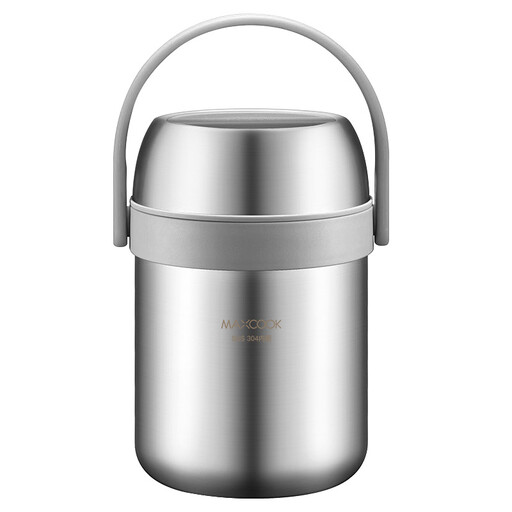
Why This Fits Their Persona: This is a solid, no-nonsense choice for daily office lunches. The 1.5-litre capacity is generous for a filling meal, and the standard 304 steel is more than adequate for typical leftovers, soups and stews.
It features a wide mouth for easy use and cleaning, directly avoiding the narrow-mouth frustration. The focus is on core function over flashy, unreliable extras.
Excellent value for a large-capacity jar. The use of industry-standard 304 food-grade stainless steel ensures reliability for everyday meals.

Why This Fits Their Persona: For the person who loves packing flavourful, adventurous meals. If your lunch rotation includes tomato-based pasta sauces, spicy curries or anything acidic, the upgraded steel provides peace of mind.
By using 316 stainless steel, it directly counters the long-term risk of corrosion and taste-taint from acidic foods, a hidden flaw in lesser jars.
Superior corrosion resistance for longevity and flavour purity. The secure, tight-sealing lid is designed to handle the pressure of hot, liquid-based meals.

Why This Fits Their Persona: This is the complete package for someone who values convenience. The included insulated bag not only makes the jar easy to carry but also adds an extra layer of insulation and protects it from scratches.
It solves the entire transport problem, preventing the jar from tipping over in a larger bag, which is a common cause of leaks even with a good seal.
A convenient, all-in-one set. Combines the premium 316 stainless steel jar with a practical, protective and insulated carrying bag.
We have compiled a complete, real-time list of products that fully satisfy these strict selection criteria and UK safety regulations.
The most effective method is to pre-heat it. Before adding your food, fill the jar with boiling water, seal the lid and let it stand for 5-10 minutes. Pour out the water just before you add your piping hot meal. This warms the inner wall, so the steel doesn't immediately draw heat from your food, helping it stay hotter for longer.
As a general rule, it is not recommended. The high temperatures and harsh detergents in a dishwasher can damage the vacuum seal between the inner and outer walls, which is what gives the jar its insulating properties. It can also cause the silicone lid gasket to degrade, compromising the leak-proof seal. Hand washing with warm, soapy water is the safest way to ensure its longevity.
For most users, 304 stainless steel is perfectly fine. It's durable, food-safe and resists rust well. The key difference is that 316 stainless steel contains molybdenum, which significantly enhances its resistance to corrosion, particularly from salts and acids. If you frequently eat things like tomato soup, citrus-based dishes or heavily salted foods, a 316 steel jar offers better long-term protection against pitting and potential flavour transfer.