
24/7 Customer Support

Free returns

Same-day & Next-day Delivery

Quality Guaranteed

Unlock Your Welcome Offers: FREE Delivery | Up to 80% OFF | Free 30-day JoyPlus trial
Download the APP
A warm, home-cooked meal in the middle of a busy day is a small but significant comfort. Whether it's a hearty soup on a chilly afternoon or leftover pasta at your desk, the right container is essential. However, the market for insulated food jars is filled with promises that often fall flat. Many of us have been let down by a "leak-proof" flask that wasn't, or a "thermal" container that left our lunch disappointingly lukewarm.
As a Joybuy Product Recommendation Officer, my role is to help you navigate these choices. Before you make a purchase, let's look at the common pitfalls that can lead to a frustrating and wasteful experience.
A little awareness can save you from the disappointment of a poorly performing product. Here are the three most common issues we see:
The "Leak-Proof" Illusion: The most frequent complaint is a lid that fails. A container might seem secure when you test it with cold water, but the heat and steam from hot food can cause pressure to build, warping the lid or compromising the silicone seal. The result is often a messy bag and a ruined lunch. A truly leakproof soup thermos requires a robust, screw-on lid with a quality gasket.
Exaggerated Temperature Retention: Many brands claim their flasks keep food hot for 8, 12 or even 24 hours. In reality, these figures are often based on tests with boiling water in controlled environments. For real-world use with food like stew or curry, which starts at a lower temperature, a more realistic expectation from a good quality thermal food flask is 4-6 hours of satisfying warmth.
Material Mismatches: The material of your stainless steel food flask matters more than you might think. Lower-grade steel or certain plastic components can absorb the odours and flavours of strong foods. This can lead to an unpleasant aftertaste in subsequent meals. Furthermore, the construction quality of the vacuum seal between the inner and outer walls is the single most important factor for insulation.
To ensure your hot food container for lunch performs as expected, focus on these key technical specifications.
The type of steel used is a primary indicator of quality and longevity.
Look past the marketing and inspect the lid itself. A dependable soup flask should have a screw-top lid with deep, substantial threads that create a tight seal. The sealing element, usually a silicone ring, should be thick and fit snugly into its groove. A flimsy, thin ring is a common point of failure. Some designs also include a pressure-release button, which can make opening the jar easier when it contains very hot food.
A wide mouth food jar is non-negotiable for a good user experience. It makes the container easier to fill without spills, allows you to eat directly from it with standard cutlery and simplifies the cleaning process. A narrow opening can make it difficult to get a sponge inside, leading to residue build-up. When considering a thermal lunch box, think about the types of meals you'll carry and ensure the opening is practical for them.
Based on these practical criteria, here are some options matched to different user needs.
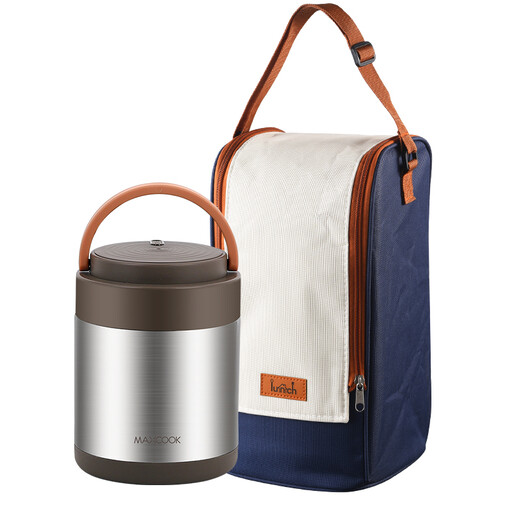
Why This Fits Their Persona: This is a practical workhorse for those needing a reliable container for daily lunches at the office or on site. The 1.4-litre capacity is generous enough for a substantial meal, and the 304 steel construction is perfectly suited for a wide variety of non-acidic dishes like stews, rice or pasta.
Its sturdy, screw-on lid and vacuum-insulated design directly address the common pitfalls of leakage and poor heat retention for a typical 4-6 hour window until lunchtime.
Features a wide mouth for easy filling and cleaning. The durable 304 stainless steel construction resists dents and provides reliable thermal performance for everyday meals.
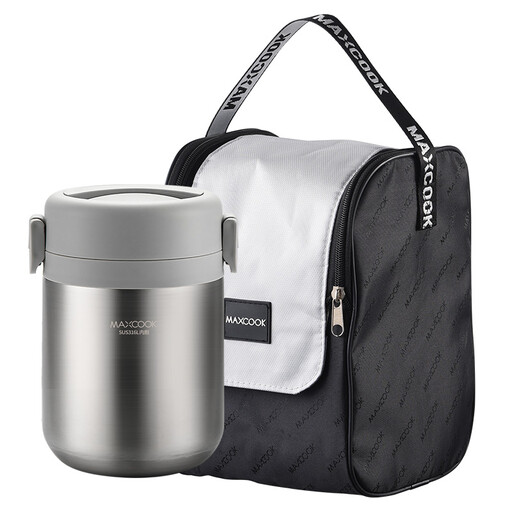
Why This Fits Their Persona: For those who frequently enjoy tomato-based soups, curries or other acidic foods and want maximum longevity from their flask. The inclusion of an insulated lunch bag adds a layer of convenience and further aids temperature retention during transit.
This model directly counters the material mismatch trap by using superior 316 stainless steel, which prevents odour retention and corrosion from acidic ingredients over the long term.
The primary benefit is the enhanced corrosion resistance. It also comes as a complete set with a dedicated carrying bag, making it an excellent all-in-one solution.

Why This Fits Their Persona: Ideal for those with a big appetite, people working long shifts or anyone packing a meal to share. The 1.5-litre capacity provides ample space for a very generous portion of soup, stew or a full pasta dish, ensuring you have enough fuel for the day.
This jar avoids the trap of being too small for a proper meal. Its straightforward, robust design focuses on the two things that matter most for a large container: capacity and a secure lid.
The key advantage is its substantial 1.5-litre capacity. The wide mouth design is particularly useful here, making it easy to scoop out large servings and to clean thoroughly afterwards.
We have compiled a complete, real-time list of products that fully satisfy these strict selection criteria and UK safety regulations.
The most effective method is to pre-heat your insulated food jar. Before adding your food, fill the jar with boiling water, secure the lid and let it stand for 5-10 minutes. Pour the water out and immediately add your piping hot food. This pre-heating process warms the inner steel wall, so the container doesn't draw heat away from your meal, helping it stay warmer for longer.
As a general rule, it is not recommended. The high temperatures and harsh detergents in a dishwasher can damage the vacuum seal between the inner and outer walls, which is what gives the jar its insulating properties. It can also degrade the silicone lid gasket over time, leading to leaks. For best results and to preserve the life of your food thermos, always hand wash it with warm, soapy water.
For many people, a quality 304 stainless steel jar is perfectly adequate. However, if you plan to regularly transport acidic foods like tomato soup, chilli or dishes with a lot of citrus or vinegar, investing in 316 steel is a sensible choice. It provides superior long-term protection against the subtle corrosion and pitting that these ingredients can cause, ensuring your flask remains pristine and free from any metallic taste.