
24/7 全天候客户支持

免费退货

当日/次日达

品质保障

开启新人专享福利: 全场免邮 | 低至 2 折 | 免费试用 30 天 JoyPlus 会员
下载 Joybuy
A reliable insulated food jar can make weekday meals easier for commuters, office workers, students and families. It allows you to carry soup, pasta, porridge or chilled food without relying on workplace microwaves or buying lunch every day.
However, product listings can make similar containers look interchangeable. The main problems usually appear after purchase: a jar that leaks in a backpack, loses heat before lunchtime or has an opening too narrow for practical cleaning. Before choosing a stainless steel food jar, check the details below rather than relying on broad marketing descriptions.
“Keeps food hot for hours” does not explain how long the contents may remain suitable for your routine. A commuter travelling for 45 minutes has different requirements from someone carrying lunch from early morning until late afternoon.
Look for a stated period, such as 4–6 hours, and remember that performance can vary according to the starting temperature, food volume, ambient conditions and how often the lid is opened. Pre-heating or pre-chilling the container can help reduce the initial temperature drop.
A large capacity does not automatically mean a practical lunch container. A tall, narrow opening can make filling, serving and cleaning awkward. For soups and one-pot meals, a wide-mouth food flask is generally easier to use because you can add food with a ladle and eat directly from the jar.
Also check the external dimensions and weight. A 1.5L food jar may suit family portions or shared outdoor meals, but it may be excessive for a single office lunch and take up considerable space in a work bag.
A tight lid is important, but the seal still needs to be fitted correctly and kept clean. Food residue around a silicone gasket can prevent a complete closure. Some containers also advise against being inverted or tipped, which means “leakproof” should not be interpreted as permission to store the jar upside down.
Before buying, check whether the lid and seal can be accessed for hand washing. Follow the supplied care instructions, particularly where the product is not dishwasher-safe.
A 304 stainless steel food jar is a common choice for everyday use because it provides a durable, odour-resistant inner container. Some products use 316 stainless steel, which has a different material specification and may appeal to buyers who specifically prefer that grade.
The lid and gasket are equally important. Polypropylene lids and silicone seals are widely used components, but the product should be intended for food storage and supplied with clear maintenance guidance. Do not microwave a stainless steel container, and do not place it in an oven.
A vacuum insulated food jar has an insulated gap between its walls to reduce heat transfer. It is designed to help keep hot food hot and cold food cold for a period of time, but it is not a substitute for safe food handling.
For better results:
A hot food thermos is most useful when its stated retention period matches your actual journey and meal schedule.
Wide openings make it easier to fill and eat from the container, while removable or accessible seals can simplify cleaning. A secure lid is essential for carrying soup, but you should still keep the jar upright in a bag.
For longer journeys or extra protection, pair an insulated lunch container with a reusable insulated lunch bag. This adds another layer around the jar and provides space for cutlery, fruit or snacks.

Why This Fits Their Persona: The 1.4-litre capacity suits shoppers wanting one versatile container for work, college, short trips or shared meals without moving to a larger format.
Its listing specifies a wide mouth, vacuum insulation, a tight-sealing lid and a stated 4–6-hour retention period rather than only using a general “thermal” description.
304 stainless steel construction; wide opening for filling and eating; approximate package weight of 0.83kg.

Why This Fits Their Persona: A suitable option for buyers who place particular importance on the stated stainless steel grade and want a wide-mouth container for regular hot or cold meals.
The product information identifies 316 stainless steel, vacuum insulation, a wide mouth and a leak-resistant lid, helping buyers compare specific construction details.
316 stainless steel construction; approximate package weight of 0.86kg; designed for hand washing.
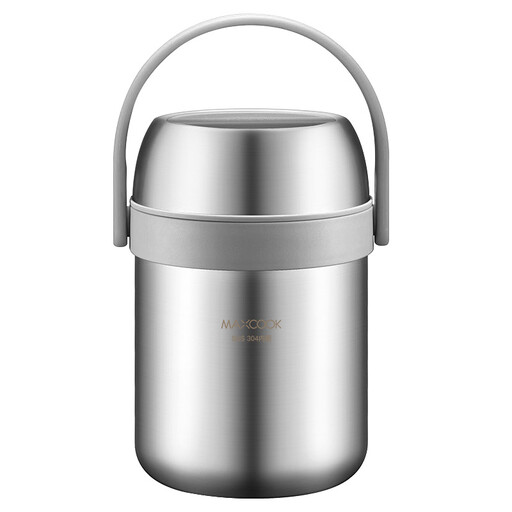
Why This Fits Their Persona: The larger 1.5-litre format is suited to families, outdoor groups, longer days away from home or anyone carrying a substantial meal.
The capacity is clearly stated, while the wide mouth addresses the practical problems of filling and serving a large food flask.
1.5-litre capacity; 304 stainless steel body; approximate package weight of 1.02kg.
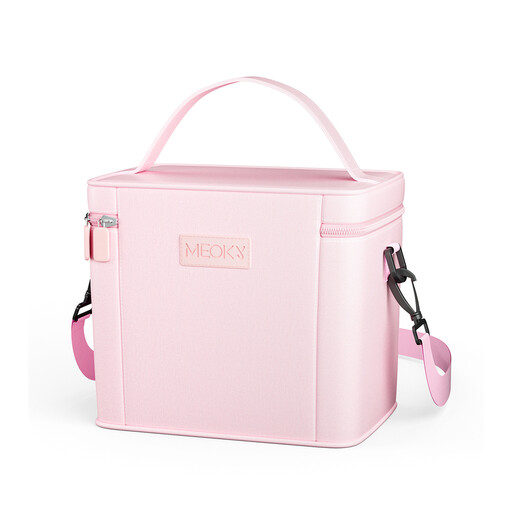
Why This Fits Their Persona: This reusable insulated lunch bag is useful for commuters, students and gift shoppers who want an outer carrier for a food jar, drinks and snacks.
Its zip closure, water-resistant outer fabric and insulated inner layer provide a separate carrying solution instead of relying on the jar alone.
Reusable design; insulated interior; wipe-clean care instructions; suitable for carrying food and drinks.
We have compiled a complete, real-time list of products that fully satisfy these strict selection criteria and UK safety regulations.
The stated period depends on the product and conditions. The containers listed here specify approximately 4–6 hours for hot or cold contents. Pre-heating the jar, filling it appropriately and keeping the lid closed may support more consistent results, but the actual temperature can vary.
Usually, yes. A wider opening makes it easier to reach the interior with a sponge and remove thick foods such as porridge, chilli or pasta sauce. The lid and silicone seal should also be cleaned separately where the design allows.
It depends on the use. A 1.5-litre capacity can be practical for family portions, group meals or outdoor activities, but may be bulky for a single daily lunch. For one commuter or student, a 1.4-litre model or smaller insulated lunch container may be easier to carry.