
24/7 全天候客户支持

免费退货

当日/次日达

品质保障

开启新人专享福利: 全场免邮 | 低至 2 折 | 免费试用 30 天 JoyPlus 会员
下载 Joybuy
A reliable insulated food jar thermos can make packed lunches, commuting and outdoor meals more convenient. However, product listings often use similar phrases for containers with very different capacities, seals and cleaning requirements. A large-looking thermal lunch box may not be suitable for a soup-based meal, while a compact flask may be intended for drinks rather than food.
Before buying, focus on the features that affect everyday use rather than relying on promotional wording.
A stated capacity such as 1.4L food jar or 1.5L food jar refers to the container’s internal volume, not necessarily the amount that is comfortable to fill. Leaving some room helps reduce pressure and makes the lid easier to secure, particularly with hot food.
Also check the external dimensions and weight. A large stainless steel food jar may be suitable for family portions or shared meals, but it can be cumbersome in a small work bag.
A tight-sealing lid can help prevent spills, but the seal must be fitted correctly and the container should be kept upright where the product instructions require it. Some product descriptions specifically advise against inverting or tipping the jar.
Inspect the lid, gasket and threading before each use. A damaged or displaced seal can create leaks even when the container itself is in good condition.
“Vacuum insulated” describes the construction, but temperature retention depends on the food’s starting temperature, how full the jar is, the ambient temperature and how often the lid is opened. Look for clearly stated retention guidance rather than assuming a container will keep meals hot from morning until late evening.
Pre-heating a jar with hot water or pre-chilling it with cold water can help prepare the inner walls before adding food. Always follow the supplied instructions, especially when handling hot contents.
A stainless steel food jar is generally practical for regular use because it is durable and does not absorb food smells as readily as some plastics. The products below use either 304 or 316 stainless steel.
These grades are material descriptions, not a guarantee that every component is suitable for every food or cleaning method. Check the product information, supplied instructions and any food-contact compliance details before purchase. Pay particular attention to the lid, gasket and internal coating, as these parts may use different materials.
For a single office or school lunch, a smaller container may be easier to carry. A 1.4L or 1.5L food jar is more appropriate when you need a larger portion, several servings or food for outdoor activities.
Compare:
A wide-mouth food flask is usually easier to fill with chunky meals, serve from and clean than a narrow bottle-style container.
For a leakproof soup thermos, check whether the lid has a clearly described tight-sealing design and whether replacement seals are available. A wide opening can make hand washing more manageable, but it does not automatically make a product dishwasher-safe.
Some vacuum insulated food containers recommend hand washing and caution against prolonged soaking of the lid seal. Do not assume that the outer shell, lid and gasket all share the same cleaning instructions.
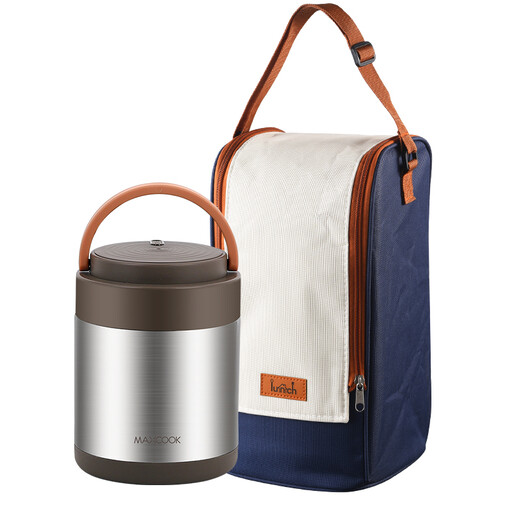
Why This Fits Their Persona: The 1.4-litre capacity suits shoppers who want a substantial reusable insulated lunch container for work, study or shared meals without moving to an even larger format.
Its listing specifies a wide mouth, tight-sealing lid and 4–6 hours of stated thermal retention guidance. Users should still keep it upright and hand wash as instructed.
1.4L capacity; 304 stainless steel construction; wide opening for filling and cleaning.

Why This Fits Their Persona: This large-capacity hot food thermos is suited to commuters, families and outdoor users who prioritise a stated 316 stainless steel material and generous serving space.
The listing identifies a wide mouth, vacuum insulation and a tight-sealing lid. Its product name states 1.5L; confirm the current specification before ordering because the description does not separately provide capacity information.
Listed 316 stainless steel; 1.5L format; 4–6 hours of stated thermal retention guidance.
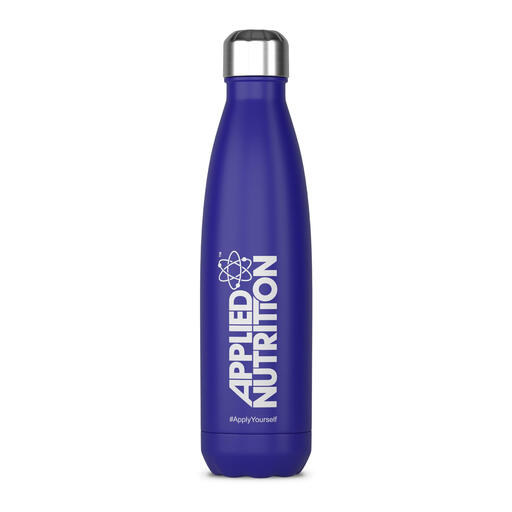
Why This Fits Their Persona: This is a drinks-focused portable food container alternative for gym users, hikers, campers and commuters who need a lighter 500ml thermal flask rather than a meal-sized jar.
The capacity is clearly stated, helping avoid buying a large food jar when the intended use is hydration. The listing also specifies a leakproof lid and dishwasher-safe cleaning.
500ml portable format; stainless steel body; stated cold retention up to 24 hours and hot retention up to 12 hours.
We have compiled a complete, real-time list of products that fully satisfy these strict selection criteria and UK safety regulations.
The duration varies with the food temperature, fill level, opening frequency and surrounding conditions. The Maxcook listings provide 4–6 hours of stated thermal retention guidance. Pre-heating the container and keeping the lid closed can support more consistent results, but the food should be handled safely and consumed according to normal food-safety practice.
Usually, a wider opening provides better access for filling, serving and washing the interior. It does not remove the need to clean the lid, threads and gasket. Check whether the manufacturer recommends hand washing or permits dishwasher use.
It depends on portion size and intended use. These capacities may be more than needed for a single lunch but can suit large appetites, all-day outdoor trips or meals shared by more than one person. Compare the filled size and empty weight with your usual bag before purchasing.