
24/7 全天候客户支持

免费退货

当日/次日达

品质保障

开启新人专享福利: 全场免邮 | 低至 2 折 | 免费试用 30 天 JoyPlus 会员
下载 Joybuy
A reusable drink container can look practical online yet become inconvenient after a few weeks. Lids may seep inside a work bag, wide bottles may not fit a car holder and large capacities can become surprisingly heavy when full. When comparing insulated stainless steel water bottles and tumblers, the most useful approach is to match the design to your routine rather than focus on colour or promotional wording.
A lid can reduce spills during normal carrying without being suitable for being shaken, stored upside down or placed in a crowded backpack. Straw tumblers require particular attention: some designs are fully sealed only when the straw is removed, while others are intended mainly for upright use.
Before buying, check:
For commuting, a screw-cap leakproof water bottle or stainless steel flask is generally easier to pack than an open-straw design.
“Cold for 24 hours” or “hot for 12 hours” normally describes the manufacturer’s stated performance under particular conditions. Results can vary with the starting temperature, how full the bottle is, how often the lid is opened and the surrounding temperature.
A vacuum insulated bottle with double-wall construction can help reduce heat transfer, but it will not make a drink remain at its original temperature indefinitely. When carrying hot drinks, leave room for safe handling, secure the lid carefully and check the temperature before drinking.
A 40oz water bottle may suit a long hike or gym session, but it can be awkward on public transport and may not fit a standard car cup holder. Conversely, a 500ml water bottle is easier to carry but may need more frequent refilling during sport or outdoor activities.
A 700ml water bottle can provide a useful middle ground for work, school and training. Also check the bottle’s dimensions, not just its capacity. A slim shape may fit a backpack side pocket, while a tapered base is more likely to suit a vehicle holder.
Food-contact drinkware commonly uses grades such as 304 stainless steel or 18/8 stainless steel. These terms describe the material composition used in the product listing and are associated with corrosion resistance and everyday durability. They do not mean the bottle is indestructible.
Double-wall vacuum insulation creates a gap between the inner and outer walls, helping to slow temperature transfer. It can also reduce exterior condensation when carrying cold drinks. Look for clear information about:
A BPA-free drink bottle should state this clearly, particularly where the lid, straw or seal contains plastic components.
A bottle that is difficult to clean may become frustrating, especially when used for smoothies, coffee or flavoured drinks. Wide-mouth designs are easier to reach with a bottle brush and can simplify the addition of ice.
Cleaning claims should be read carefully. Some products are dishwasher-safe only for the lid, while the stainless steel body or straw requires hand washing. Check for:
For a gym session, a water bottle with straw offers convenient sipping without tilting the container. For a work bag, a secure screw lid may be more practical. Outdoor users may prefer a lightweight camping cup or a foldable stainless steel cup that takes up less room when packed.
The most suitable design depends on how you carry it, where it is stored and whether the drink will be hot, cold or carbonated. Always follow the supplied warnings, especially those concerning boiling liquids, fizzy drinks and hot surfaces.
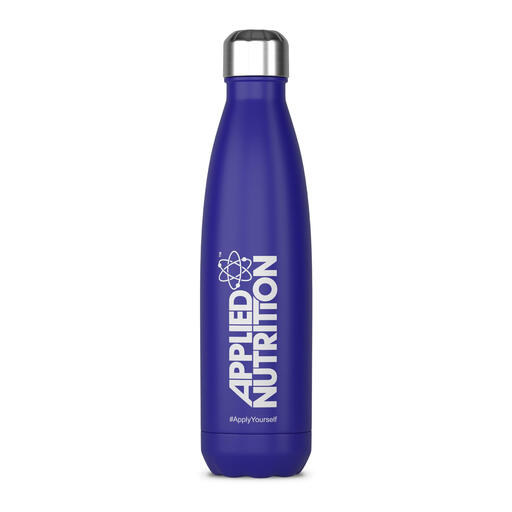
Why It Suits This User: The 500ml format is manageable for commuting, office use, gym sessions and everyday carrying without the bulk of a larger bottle.
The listing clearly states a leakproof lid, BPA-free construction and dishwasher-safe care, helping buyers check practical details before ordering.
Stainless steel construction; stated cold retention of up to 24 hours and hot retention of up to 12 hours.
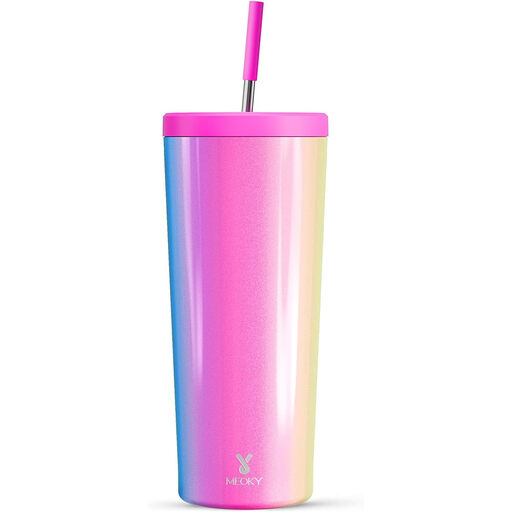
Why It Suits This User: It suits commuters and drivers who prefer straw access, a tapered base and a stable non-slip bottom for desk or car use.
The listing explains that the lid is fully leakproof when the straw is removed, making the sealing condition clear rather than implied.
18/8 stainless steel; BPA-free materials; tapered shape designed to fit most car cup holders.
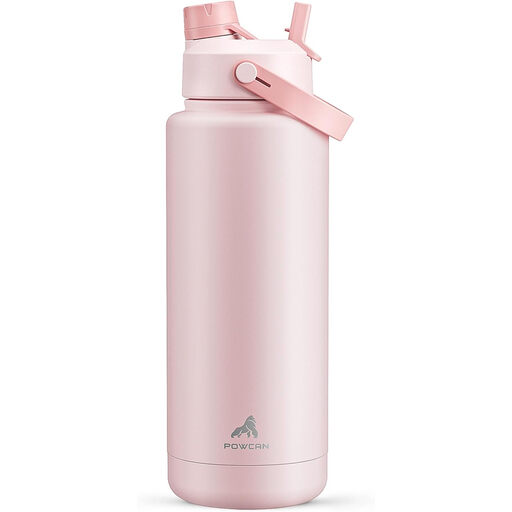
Why It Suits This User: The 40oz capacity is aimed at people who want fewer refills during sport, travel, long working days or outdoor activities.
The product information openly notes that its 40oz size does not fit standard car cup holders, allowing buyers to plan storage properly.
Double-wall stainless steel; 2-in-1 straw and chug lid; dishwasher-safe lid with hand-wash cup; stated cold retention of up to 24 hours.
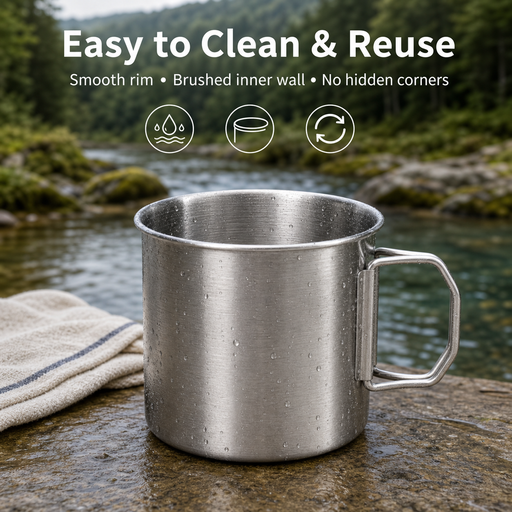
Why It Suits This User: A compact option for camping, hiking, fishing, road trips and emergency space-saving storage in a backpack.
Its 350ml capacity and foldable handle make the storage trade-off clear, rather than presenting a compact cup as a full-day hydration solution.
Food-grade 304 stainless steel; foldable handle; dishwasher-safe design according to the product information.
We have compiled a complete, real-time list of products that fully satisfy these strict selection criteria and UK safety regulations.
Many are designed for both hot and cold beverages, but suitability depends on the lid, seal and manufacturer instructions. Check the stated temperature guidance, leave space at the top and handle the container carefully to reduce scalding risk.
There is no fixed lifespan. A stainless steel body can remain usable for a long time if it is not badly dented and the lid continues to seal correctly. Seals, straws and plastic components may wear sooner and should be replaced where compatible. Stop using the bottle if the interior, seal or lid is damaged.
A 500ml bottle is lighter and convenient for short commutes, desks and gym bags. A 700ml bottle reduces refill frequency while remaining more portable than many large-capacity models. For long hikes or extended training, a 40oz design may be more suitable, provided its size and weight work for your bag or storage space.