
24/7 全天候客户支持

免费退货

当日/次日达

品质保障

开启新人专享福利: 全场免邮 | 低至 2 折 | 免费试用 30 天 JoyPlus 会员
下载 Joybuy
For UK commuters, gym users, families and outdoor enthusiasts, insulated stainless steel bottles and food jars can make daily drinks and meals more convenient. However, attractive claims do not always reveal whether a product will suit your bag, routine or cleaning habits.
A bottle that does not fit your car cup holder, a lid with too many difficult-to-clean parts or a food jar that is far too large for one lunch can quickly become an expensive cupboard item. Before buying, focus on the construction, capacity, closure and care instructions rather than appearance alone.
A larger reusable water bottle may reduce refilling during a long hike or working day, but it can also be heavy when full. Some larger designs may not fit standard UK car cup holders. For example, a 40 oz bottle offers substantial capacity but is specifically noted as unsuitable for standard car cup holders.
For commuting, a 500 ml to 600 ml sports water bottle is often easier to carry. Larger capacities are more suitable for extended travel, outdoor activities or users who prefer fewer refills.
A leak-resistant design is useful only when the lid is fully closed and the seal is correctly fitted. Straw caps, pouring spouts and removable components may offer convenience, but they also create more areas that need cleaning and drying.
Check whether the bottle is intended for hand washing, whether the lid is dishwasher-safe and whether the manufacturer warns against carbonated drinks or very hot liquids. These details are more practical than a general leakproof label.
Vacuum insulation can help slow temperature change, but performance depends on the construction, lid and usage conditions. Preheating or pre-chilling a container may improve its practical performance. Food jars also need a suitable opening: a narrow neck can make filling, eating and cleaning inconvenient.
A 304 stainless steel bottle or jar is a common choice for everyday drink and food storage. Some products use 316 stainless steel, which is also used in the featured food jar range. The grade alone should not determine your purchase; check the full product description, intended use, seals and care instructions.
Look for clear information about:
Do not place stainless steel containers in a microwave or oven unless the instructions specifically permit it.
A vacuum insulated flask generally uses a gap between two walls to reduce heat transfer. Product descriptions may quote separate hot and cold retention periods, but real results vary with the starting temperature, fill level, opening frequency and outside conditions.
The Applied Nutrition flask lists cold retention of up to 24 hours and hot retention of up to 12 hours. The POWCAN bottles also list up to 24 hours cold and up to 12 hours warm. These should be treated as stated product specifications rather than a guarantee for every situation.
A wide-mouth food thermos is particularly practical for soup, rice, pasta or stews because it allows easier serving and cleaning. The Maxcook jars list approximately 4–6 hours of thermal retention and recommend preheating or pre-chilling before use.
Choose capacity around your routine:
A leakproof water bottle should be stored upright where possible, especially when carrying hot drinks. Dry removable seals and straws fully after washing to reduce lingering odours. For storage at home, a stackable bottle organiser can keep bottles, thermoses and lids visible rather than scattered across a cupboard.
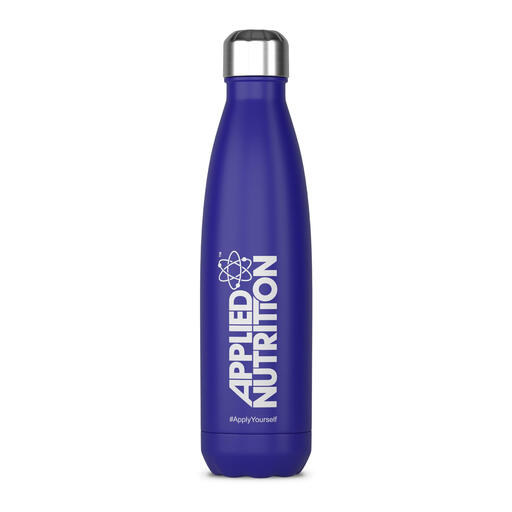
Why This Fits Their Persona: The compact 500 ml format suits first-time buyers, office workers, gym users and short daily journeys around the UK.
Its stated capacity avoids the bulk of oversized bottles, while the listed leakproof lid addresses bag-carrying concerns. It is also listed as dishwasher-safe.
Stainless steel construction, BPA-free specification, 500 ml capacity and stated cold retention up to 24 hours.

Why This Fits Their Persona: This option is intended for shoppers prioritising the stated 316 stainless steel material and a wide-mouth format for substantial meals.
The wide opening makes filling and cleaning more straightforward than a narrow-neck thermos. The product information also advises hand washing and careful handling of the seal.
316 stainless steel, vacuum insulation, wide mouth and leakproof lid design. Capacity information should be checked on the product page before purchase.
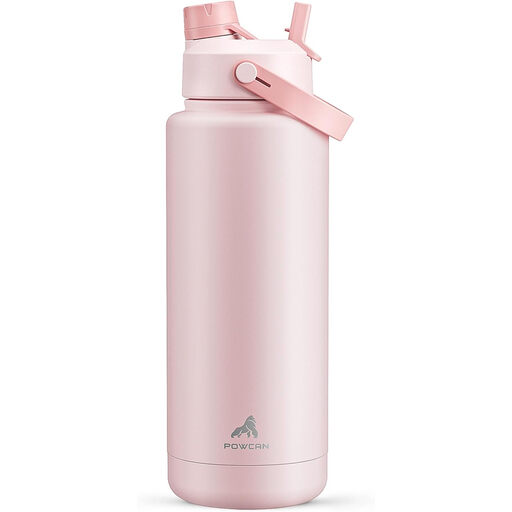
Why This Fits Their Persona: The 40 oz capacity is suited to sports, travel, hiking and users who need substantial hydration between refills.
The listing clearly identifies its large capacity and car cup-holder limitation, helping buyers assess portability before ordering.
18/8 stainless steel, 2-in-1 straw and chug lid, leakproof design and stated cold retention up to 24 hours.
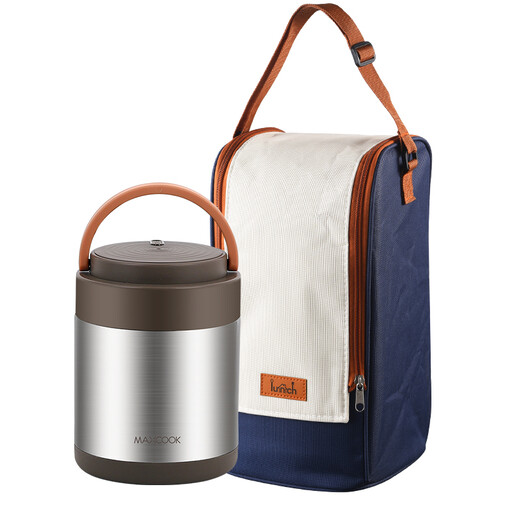
Why This Fits Their Persona: The 1.4-litre size is practical for larger portions, shared meals, outdoor trips or anyone wanting a thermal lunch container with generous capacity.
Its wide mouth helps with filling, serving and washing, while the stated 4–6-hour thermal period sets a more specific expectation than vague insulation wording.
304 stainless steel, vacuum insulation, wide mouth, leakproof lid and 1.4-litre capacity.
We have compiled a complete, real-time list of products that fully satisfy these strict selection criteria and UK safety regulations.
Lifespan depends on dents, seal wear, cleaning and general handling. Stainless steel can remain usable for a long time, but insulation may be affected by heavy impact. Replace damaged seals or stop using a container if it develops cracks, persistent leakage or structural damage.
Yes, provided the capacity, opening and thermal period suit the meal. A wide-mouth insulated food jar is easier to fill and eat from than a narrow container. Preheating with hot water and drying the jar before adding food may help maintain the intended temperature.
A reusable bottle can reduce repeated purchases of single-use drinks, but the overall value depends on the purchase price, cleaning requirements and how consistently it is used. Select a capacity and lid style that fits your routine so the bottle is more likely to be used every day.