
24/7 Customer Support

Free returns

Same-day & Next-day Delivery

Quality Guaranteed

Unlock Your Welcome Offers: FREE Delivery | Up to 80% OFF | Free 30-day JoyPlus trial
Download the APP
A reusable bottle or tumbler can look practical online yet prove frustrating after a few weeks. The most common problems are not always visible in product photos: a lid that drips inside a work bag, a bottle that is too wide for a car cup holder or a straw system that is difficult to clean.
When comparing insulated stainless steel drinkware, focus on how the product fits your routine rather than relying on broad marketing language. The right choice depends on capacity, lid design, thermal performance, cleaning requirements and whether you need a drink container or an insulated food jar.
A leakproof tumbler may only be sealed when the drinking opening is closed or the straw is removed. Some products are suitable for carrying upright but are not designed to be placed on their side. Check whether the listing explains how the seal works and whether all removable parts are included.
For hot drinks, a tightly sealed lid also requires caution. Pressure can build up and the outside may not feel as hot as the liquid inside. Follow the supplied instructions and allow hot drinks to cool slightly before drinking.
A 1.5L food flask can be useful for family meals, long shifts or outdoor activities, but it will weigh more when filled and may take up considerable space in a rucksack. Similarly, a 40 oz stainless steel water bottle can reduce refilling during a long day but may not fit a standard car cup holder.
For commuting, a 500ml thermal flask, 600ml insulated tumbler or compact travel mug is often easier to carry. For gym sessions and hiking, consider the balance between hydration needs, filled weight and the space available in your bag.
Stainless steel is durable, but the lid, silicone seals, straw and surface finish may require different cleaning methods. A bottle described as dishwasher safe may refer only to the lid. Hand-wash-only products need extra attention around threads, seals and straw channels to prevent residue build-up.
Many drink containers use 304 stainless steel, also known as 18/8 stainless steel. It is commonly used in food and drink applications and offers resistance to rust and odours. 316 stainless steel is also used in some insulated food jars and contains additional corrosion-resistant properties, although the overall design and care routine still matter.
Check the full materials list. A stainless steel water bottle can still include polypropylene, silicone, PC or other materials in the lid and drinking components. If you are looking for BPA-free drinkware, confirm that this is stated for the complete product or relevant plastic parts rather than assuming it from the steel body alone.
For UK use, look for clear food-contact information, warnings and care instructions. Avoid microwaving stainless steel drinkware and do not use containers for carbonated drinks unless the manufacturer specifically permits it.
A vacuum insulated bottle uses an insulated space between walls to slow heat transfer. Double-wall construction can help maintain hot or cold temperatures, but performance depends on the starting temperature, fill level, opening frequency and surrounding conditions.
Product listings may state figures such as cold retention for up to 24 hours or hot retention for up to 12 hours. Treat these as stated product specifications rather than a guarantee for every situation. Pre-heating a flask with hot water or pre-chilling it before filling can help reduce the initial temperature change.
A straw lid is convenient for cold drinks and frequent sipping, while a chug or spout opening may suit faster drinking. A wide mouth makes it easier to add ice, pour soup or clean the inside. For a travel mug, check whether the lid is intended to prevent splashes or provide a fully sealed closure.
Also check dimensions, base shape and weight. A tapered bottle may fit a car cup holder, whereas a wide-base 1.5L food flask may be more suitable for carrying in a lunch bag. Detachable components can improve cleaning, but they also create more seals and parts to reassemble correctly.
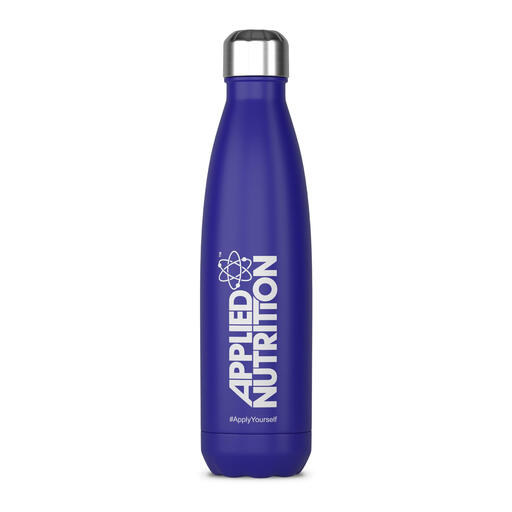
Why This Fits Their Persona: The 500ml capacity is manageable for a handbag, gym bag or office desk, while the compact format suits everyday commuting and short outdoor trips.
The listing specifies a leakproof lid, BPA-free construction and dishwasher-safe cleaning. Check the supplied instructions before washing all components.
Stainless steel construction; stated cold retention of up to 24 hours and hot retention of up to 12 hours; portable 500ml size.
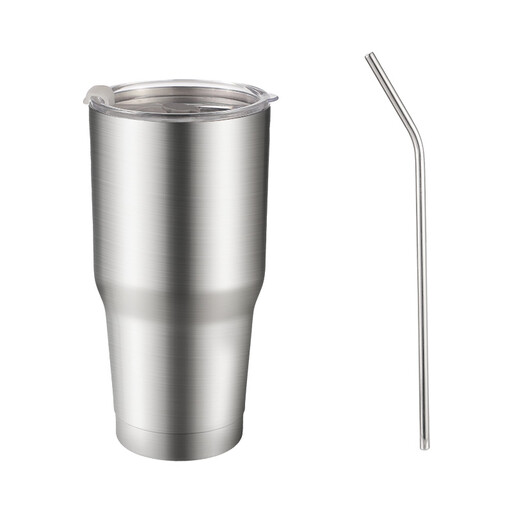
Why This Fits Their Persona: A 900ml format suits office workers, gym users and commuters who want fewer refills without moving to an oversized 1.5L container.
The fully detachable design allows the lid and straw components to be separated for cleaning. It is specified as unsuitable for a dishwasher, microwave or steriliser.
304 stainless steel inner tank and straw; two-way drinking design; detachable parts for thorough hand washing.

Why This Fits Their Persona: The 1.5L capacity is suited to shared meals, long workdays, camping and outdoor trips where a standard soup thermos would be too small.
The wide mouth supports filling, serving and cleaning, while the listing specifies a secure seal. Keep it upright during transport and follow the hand-wash guidance.
316 stainless steel; 1.5L capacity; included lunch bag; stated 4–6 hour thermal retention.
We have compiled a complete, real-time list of products that fully satisfy these strict selection criteria and UK safety regulations.
It can be a practical choice for people who carry drinks or meals regularly. Stainless steel is reusable and generally resistant to odours and dents, while vacuum insulation can help slow temperature change. Value depends on using the correct capacity, lid style and cleaning method for your routine.
There is no fixed lifespan. The steel body may remain usable for many years when cared for properly, but lids, silicone seals and straws can wear sooner. Leaks, persistent odours, damaged threads or loose seals are signs that a component may need replacing.
Its direct running cost is usually limited to washing and, where applicable, dishwasher use. Hand washing a reusable drink bottle can reduce energy and water use compared with frequent dishwasher cycles. The practical value comes from repeated use, so choose a size and lid that you will comfortably clean and carry every day.