
24/7 全天候客户支持

免费退货

当日/次日达

品质保障

开启新人专享福利: 全场免邮 | 低至 2 折 | 免费试用 30 天 JoyPlus 会员
下载 Joybuy
Staying hydrated is a simple goal, but choosing the right vessel can be surprisingly complex. An insulated water bottle seems like a straightforward purchase, yet many of us have ended up with a cupboard full of leaky, ineffective or hard-to-clean bottles. The market is flooded with options, and it's easy to be swayed by marketing claims that don't hold up in daily life.
As a Joybuy Product Recommendation Officer, my role is to help you navigate these choices by focusing on what truly matters. Before you spend your money, let's look at the common pitfalls that lead to buyer's remorse and how to avoid them.
Many reusable water bottles fail to live up to their promises. Here are the three most common issues that UK consumers face:
To ensure your new reusable water bottle is a long-term companion rather than a short-term frustration, focus on these non-negotiable features.
The foundation of a quality bottle is its material. Look for food-grade 18/8 or 18/10 stainless steel. This material is the industry standard for a reason: it's durable, resists rust and corrosion and doesn't impart a metallic taste to your drinks. Crucially, ensure the product is explicitly labelled as a BPA-free bottle. Bisphenol A (BPA) is a chemical that can be found in some plastics, and choosing BPA-free options for any parts that contact your drink (like the lid or straw) is a sensible precaution.
The magic behind keeping drinks hot or cold lies in the construction. A proper thermal flask uses double-wall vacuum insulation. This means there are two walls of stainless steel with the air between them removed, creating a vacuum. This vacuum layer prevents heat transfer, keeping the contents at a stable temperature for hours. A bottle that lacks this feature or has a poor-quality vacuum, simply won't perform.
The lid is just as important as the bottle itself. Consider your primary use:
Capacity is the final piece of the puzzle. A 500ml bottle is great for a short commute, while a 750ml (approx. 26oz) or 1.2L (40oz) bottle is better suited for all-day hydration needs without constant refills.
Based on these practical criteria, here are a few options matched to different user needs.
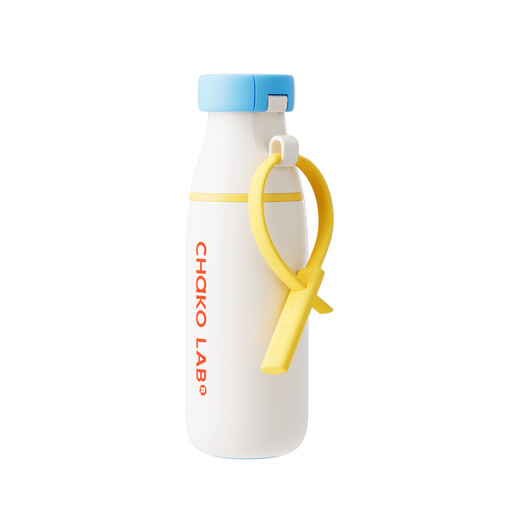
Why This Fits Their Persona: This bottle's 17oz (approx. 500ml) capacity is ideal for carrying in a work bag or backpack without adding excessive weight. Its design fits standard car cup holders, making it a great companion for the morning drive. The inclusion of two different straps adds a layer of portability for those on the move.
The spout lid is designed with a dust-resistant and leak-proof seal, directly addressing the common pitfall of spills during transit. Its 18/10 stainless steel construction ensures durability and taste-free hydration.
Features a versatile spout lid that allows for direct sipping or use with an included straw. Made from high-grade 18/10 stainless steel and is fully BPA-free.
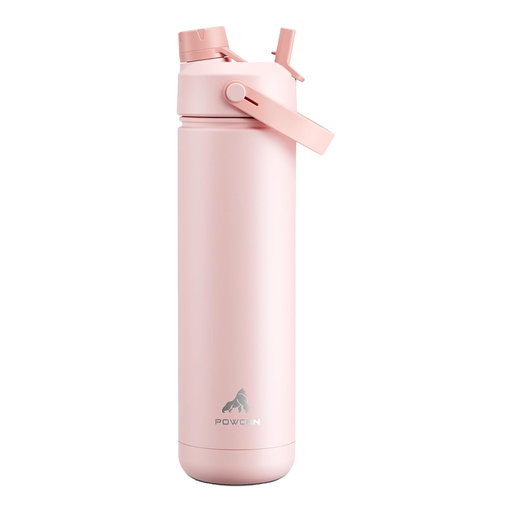
Why This Fits Their Persona: A perfect mid-size **gym water bottle**. The 26oz (769ml) capacity provides enough water for a full workout session. The dual-lid offers a straw for easy sips between sets and a spout for faster drinking. It's also designed to fit most car cup holders, a practical feature for those driving to their fitness classes.
The 2-in-1 lid is engineered for a secure, leak-proof fit, preventing accidental spills in a gym bag. The double-wall vacuum insulation is robust, ensuring drinks stay cold throughout a long workout, avoiding the pitfall of poor temperature retention.
The dual-opening lid provides excellent versatility. It's made from durable 18/8 stainless steel and the lid is dishwasher-safe, which helps address the cleaning issue.
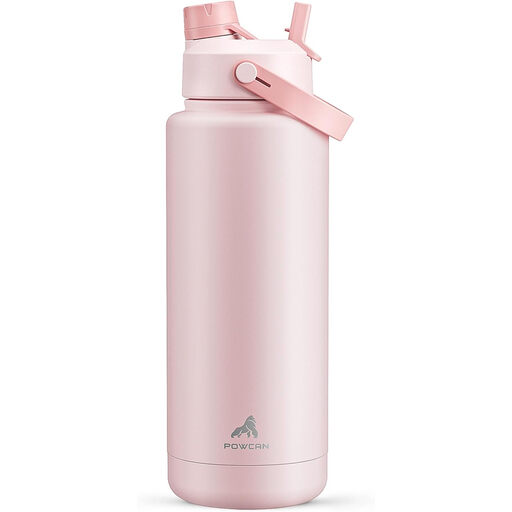
Why This Fits Their Persona: For those who need serious hydration for long days, hiking or travel, the 40oz (1.2L) capacity is a major benefit. It minimises the need for refills, ensuring you have cold or hot drinks available for an entire day's outing. The sturdy handle makes it manageable to carry despite its size.
Its wide mouth makes it significantly easier to clean with a bottle brush, avoiding the trap of inaccessible designs that gather grime. The robust 18/8 stainless steel build and reliable insulation prevent performance degradation over time.
Massive 40oz capacity for all-day hydration. Features the same versatile 2-in-1 lid with straw and spout options. Note that this larger size does not fit in standard car cup holders.
We have compiled a complete, real-time list of products that fully satisfy these strict selection criteria and UK safety regulations.
1. How do I properly clean my insulated water bottle to prevent smells? For daily cleaning, use warm, soapy water and a bottle brush to scrub the interior. If your lid is dishwasher-safe, place it on the top rack. For a deep clean, mix a solution of water and white vinegar or use a cleaning tablet designed for water bottles. Always allow the bottle and all its parts to dry completely before reassembling to prevent mould growth.
2. Can I put drinks other than water in my stainless steel bottle? Yes, you can use your stainless steel water bottle for drinks like tea, coffee or juice. However, it's important to clean it thoroughly after each use, especially after sugary or acidic drinks, to prevent residue build-up and lingering flavours. It is generally not recommended to store carbonated drinks in a sealed insulated bottle, as the pressure can build up and potentially damage the seal or cause leaks.
3. What does 'BPA-free' mean and why is it important? 'BPA-free' means the plastic components of the bottle, such as the lid or straw, are made without the industrial chemical Bisphenol A. While research is ongoing, some studies have raised concerns about BPA leaching from containers into food and drinks. Choosing a BPA-free bottle is a straightforward way to minimise potential exposure and is a common standard for quality food and drink containers in the UK.