
24/7 全天候客户支持

免费退货

当日/次日达

品质保障

开启新人专享福利: 全场免邮 | 低至 2 折 | 免费试用 30 天 JoyPlus 会员
下载 Joybuy
An insulated water bottle can be useful for commuting, gym sessions, school, work, hiking and travel. However, attractive colours and promises of “all-day” temperature retention do not always tell you whether a bottle will be practical in everyday UK conditions.
Before buying, look beyond the headline claim. A large bottle may not fit your car cup holder, a straw lid can be awkward to clean, and a supposedly leakproof design may only be secure when closed in a particular way. The right choice depends on capacity, insulation, lid design, cleaning requirements and where you plan to carry it.
A large capacity water bottle reduces the need for refills, but it also adds weight when full. A 40 oz bottle can be suitable for long gym sessions, outdoor activities or a full day away from home, yet the POWCAN 40 oz model specifically does not fit standard car cup holders.
For driving or public transport, a 500ml stainless steel water bottle or 24 oz insulated tumbler may be easier to handle. Check the bottle’s width and height, not just its capacity.
Vacuum insulation can slow heat transfer, but actual results vary according to the starting temperature, lid opening frequency, ambient conditions and the amount of ice or liquid inside. “Cold for 24 hours” should therefore be read as a stated product specification rather than a promise that every drink will remain at the same temperature in every situation.
A double-wall vacuum insulated bottle is generally more suitable for prolonged temperature retention than a single-wall design. Always check whether the stated duration applies to cold drinks, hot drinks or both.
A water bottle with straw offers convenient sipping while walking or exercising, but the straw opening may not be the most secure configuration for carrying inside a bag. Some designs are only described as fully leakproof when the straw is removed or the lid is firmly closed.
If you carry drinks alongside a laptop, documents or clothing, look for a secure seal, a closing mechanism and clear care instructions. A chug or pouring spout may be more practical than a straw for hot drinks, while a straw is convenient for cold beverages during exercise.
Match capacity to your routine:
A large capacity water bottle may also need more space in a backpack. Consider whether it can stand upright and whether the handle remains comfortable when full.
A stainless steel water bottle with 18/8 or 304 stainless steel components offers a durable option for reusable drinkware. Product specifications should identify the materials used for the bottle, lid, straw and seals, as these parts may differ.
A BPA-free water bottle can be preferable for shoppers seeking drinkware without BPA in the listed plastic components. This label does not remove the need to follow the manufacturer’s cleaning and temperature guidance. Do not put stainless steel bottles in a microwave or oven.
Wide-mouth designs are easier to fill with ice and clean with a bottle brush. Detachable lids and straws allow more thorough washing, but they also contain extra parts that need drying and reassembly.
Check whether the whole product is dishwasher safe. Several insulated designs specify hand-washing for the cup, while others permit dishwasher cleaning for the lid only. Drying every component fully can help reduce lingering odours and residue.
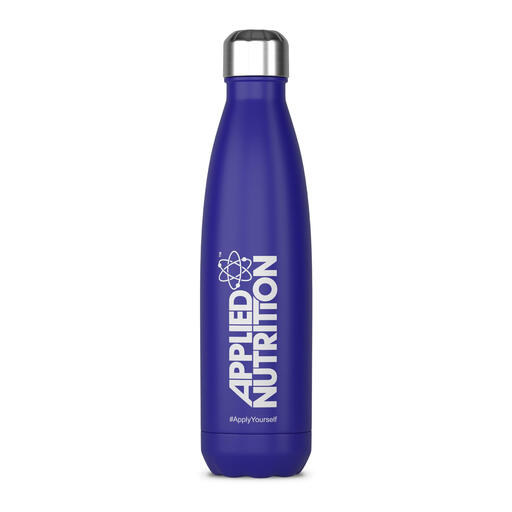
Why This Fits Their Persona: Its 500ml size is straightforward to carry to an office, gym or daily commute without the bulk of a large capacity bottle.
The compact capacity avoids the portability issue associated with oversized bottles, while its listed leakproof lid is intended for carrying in a bag.
Stainless steel construction, BPA-free materials, 24-hour cold and 12-hour hot retention specifications, and a dishwasher-safe design.
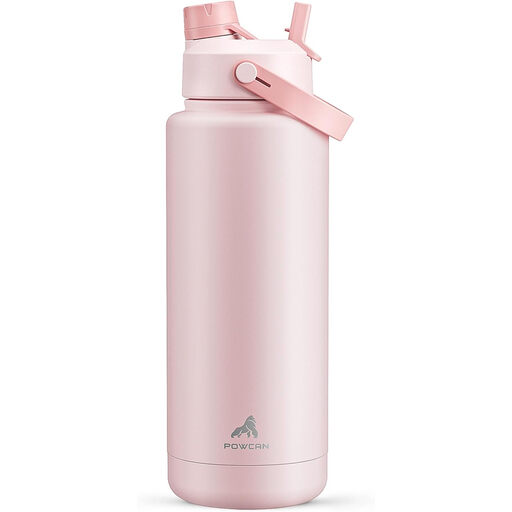
Why This Fits Their Persona: Designed for people who want substantial capacity for long working days, travel, sports or outdoor activities.
The listing clearly states that the 40 oz size does not fit standard car cup holders, helping buyers assess this limitation before ordering.
40 oz capacity, 18/8 stainless steel, 2-in-1 straw and chug lid, wide mouth, and stated cold-for-24-hour and warm-for-12-hour specifications.
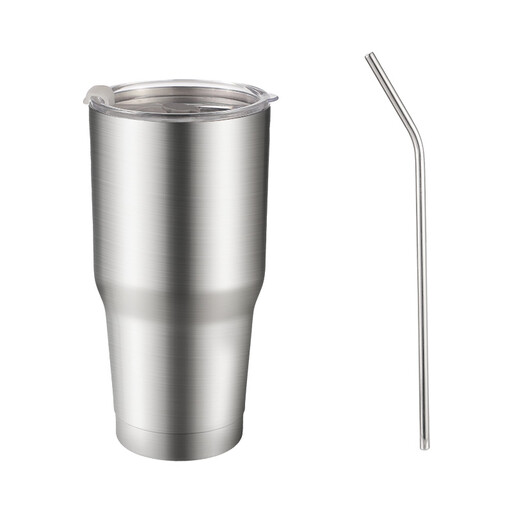
Why This Fits Their Persona: The 900ml format and dual-drinking design suit users who need more liquid for longer journeys, outdoor use or extended sessions.
Every component is detachable, so the lid, seal and straw can be washed separately rather than leaving residue in hidden areas.
304 stainless steel inner tank, 900ml capacity, 2-way drinking design and fully detachable construction for cleaning.
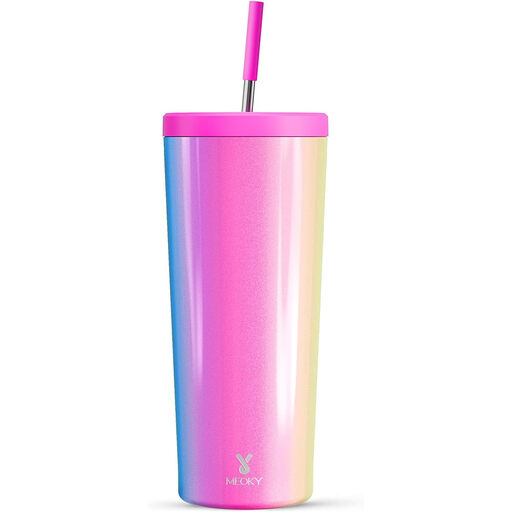
Why This Fits Their Persona: Its tapered shape is intended to fit most car cup holders, making it practical for driving, office use and short trips.
The listing distinguishes between straw use and the fully leakproof configuration, which requires removing the straw.
24 oz capacity, 18/8 stainless steel, BPA-free materials, vacuum insulation, non-slip base and tapered cup-holder-friendly design.
We have compiled a complete, real-time list of products that fully satisfy these strict selection criteria and UK safety regulations.
Some are designed for both hot and cold beverages, while others are intended for cold drinks only. Check the product instructions, lid materials and warnings before filling. A straw can become hot when used with a hot drink, and sealed containers should not be filled with boiling liquid unless the instructions specifically permit it.
The stainless steel body can remain usable for a long period if it is protected from heavy impacts and cleaned correctly. Seals, lids and straws may require replacement sooner if they become worn, lose their fit or retain odours. Lifespan depends on construction, frequency of use and care rather than capacity alone.
The running cost depends on the purchase price, how often you refill it and the drinks you normally buy. A reusable bottle can reduce repeated purchases of single-use containers, while insulation may also make it easier to carry tap water or a prepared drink throughout the day. Check cleaning requirements and replacement-part availability when comparing long-term value.