
24/7 全天候客户支持

免费退货

当日/次日达

品质保障

开启新人专享福利: 全场免邮 | 低至 2 折 | 免费试用 30 天 JoyPlus 会员
下载 Joybuy
An insulated stainless steel water bottle can be useful for commuting, gym sessions, hiking, school, office use and everyday hydration. However, attractive colourways and temperature claims do not always tell you whether a bottle will suit your routine.
The most common buying mistakes involve poor lid design, inconvenient sizing and difficult cleaning. Before choosing a reusable water bottle, check how it will be carried, washed and used throughout a typical UK day.
A vacuum insulated bottle may be advertised with 24-hour cold retention or long hot-drink performance. These figures depend on factors such as the starting temperature, how often the lid is opened and the surrounding conditions.
A bottle designed mainly for cold drinks may not be suitable for hot beverages. For example, some straw components can become hot or may be specifically excluded from hot-drink use. Always read the product warnings rather than relying only on the headline insulation figure.
A leak-proof water bottle usually depends on the lid being correctly fitted and sealed. Some tumblers offer a straw opening for convenient sipping but are only fully leak-resistant when the straw is removed or a particular seal is closed.
If the bottle will travel inside a work bag, gym bag or rucksack, look for clear instructions covering the lid, straw and sealing mechanism. A carry handle, secure seal and upright storage may be more useful than a decorative design feature.
Large bottles reduce the need for refills but add weight and may not fit a car cup holder. A 40 oz water bottle, for instance, offers approximately 1,183 ml of capacity but the listed POWCAN models do not fit standard car cup holders.
For commuting, a 500ml water flask may be easier to carry. A 900ml tumbler or larger bottle can make more sense for desk use, gym sessions or outdoor activities where regular refilling is inconvenient.
Look for clearly stated food-contact materials, such as 18/8 stainless steel or 304 stainless steel. These descriptions indicate the steel specification used in the product listing and are more useful than vague phrases such as “premium metal”.
A double-wall water bottle uses two layers separated by an insulating space. Double-wall vacuum insulation can reduce heat transfer and condensation on the outer surface. The actual performance still varies with the drink, fill level, opening frequency and ambient temperature.
Some product listings state up to 24-hour cold retention and up to 12 hours for warm drinks. Treat these as stated product specifications, not a guarantee for every situation.
Choose the drinking arrangement based on where you will use the bottle:
For hot drinks, check the supplied warnings carefully. Stainless steel may retain heat for a long time, and a metal straw or narrow opening can increase the risk of burns.
Capacity alone does not show how portable a bottle will be. Check width, height and weight, particularly if you use a bicycle bottle cage, backpack side pocket or vehicle cup holder.
Cleaning is equally important. A detachable lid allows access to seals and straw channels where residue can collect. Some products are dishwasher-safe only in specific parts. For example, the Applied Nutrition 500ml flask is listed as dishwasher-safe, while the POWCAN 40 oz models specify a dishwasher-safe lid but hand washing for the bottle and straw. The Maxcook 900ml tumbler is listed as unsuitable for a dishwasher, microwave or steriliser.
The following options are matched to different usage profiles rather than ranked against one another.
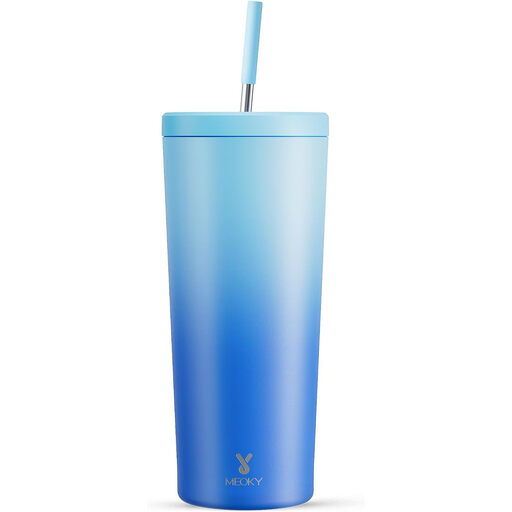
Why This Fits Their Persona: The 24 oz format suits everyday hydration without the bulk of a large sports bottle. Its tapered base is listed as compatible with most car cup holders, making it practical for commuting, home and office use.
The listing specifies a double-wall vacuum design, a non-slip base and a lid that is fully leak-proof when the straw is removed. The product instructions also state that it should be hand washed and not used with hot drinks.
18/8 food-grade stainless steel, BPA-free materials, silicone-tipped straw and a compact car-friendly shape.
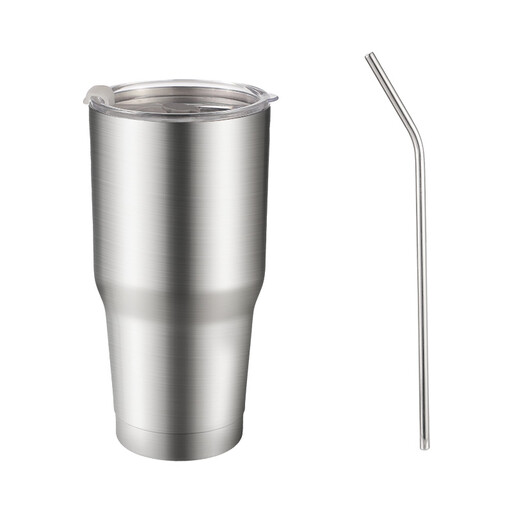
Why This Fits Their Persona: This 900ml insulated tumbler is suited to shoppers who want a larger capacity and a detachable drinking system for office use, travel or cold and hot beverages.
The fully detachable construction makes the lid, straw and seals accessible for cleaning. Buyers should note the stated restrictions: it is not suitable for microwave, oven, dishwasher or steriliser use.
304 stainless steel inner tank, 900ml capacity, 2-way drinking design and fully detachable components.
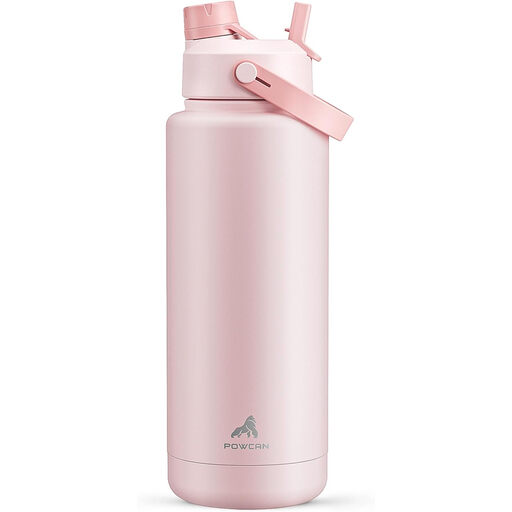
Why This Fits Their Persona: The 40 oz capacity suits gym sessions, hiking, camping, sports and long days away from refill points. It is less suitable for drivers who need a standard car cup holder.
The listing clearly flags the cup-holder limitation and advises hand washing the bottle. Its 2-in-1 lid provides straw sipping and a spout option, while carbonated drinks should be avoided due to pressure build-up.
40 oz capacity, double-wall vacuum insulation, BPA-free 18/8 stainless steel and a 2-in-1 straw and chug lid.
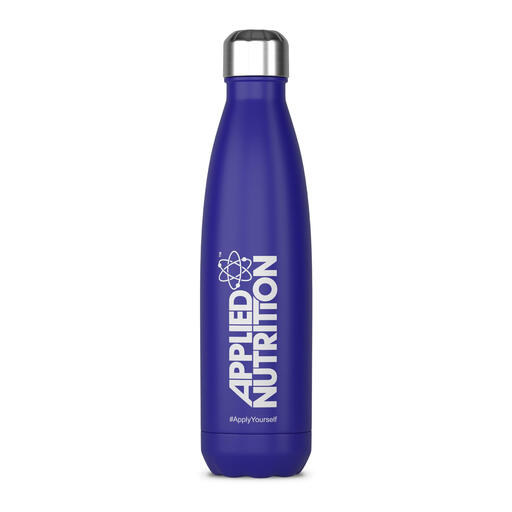
Why This Fits Their Persona: The compact 500ml water flask is convenient for gym bags, commuting, hiking and routine daily hydration when portability matters more than maximum capacity.
The product information specifies a leak-proof lid, BPA-free construction and dishwasher-safe cleaning. Users should follow the warning not to pour boiling water directly into the flask.
500ml portable format, stainless steel construction, stated cold retention of up to 24 hours and hot retention of up to 12 hours.
We have compiled a complete, real-time list of products that fully satisfy these strict selection criteria and UK safety regulations.
There is no universal lifespan. A well-maintained bottle can remain usable for years, but seals, lids and straws may wear sooner than the steel body. Frequent drops, harsh cleaning tools and leaving liquid residue inside can shorten practical service life.
The ongoing cost is generally limited to tap water, cleaning supplies and any replacement seals or lids. The total saving depends on the purchase price, how often the bottle is reused and whether you normally buy bottled drinks. A reusable water bottle can also reduce the need to purchase single-use bottles during commutes or gym visits.
A 500ml water flask is usually easier to carry on public transport and in smaller bags. A 24 oz insulated tumbler offers more capacity while potentially fitting a car cup holder, depending on its base width. Larger 900ml and 40 oz models suit desks, gyms and outdoor trips, but should be checked against bag space and vehicle storage before purchase.