
24/7 全天候客户支持

免费退货

当日/次日达

品质保障

开启新人专享福利: 全场免邮 | 低至 2 折 | 免费试用 30 天 JoyPlus 会员
下载 Joybuy
Choosing between stainless steel insulated water bottles and tumblers can seem straightforward until a flask leaks in a work bag, a tumbler fails to fit your car cup holder or a food jar proves awkward to clean. Marketing often focuses on impressive temperature claims, but the details that affect everyday use are usually found in the lid, dimensions, care instructions and capacity.
This guide explains the practical specifications to check before buying, then matches three options to different UK lifestyles, from gym sessions and commuting to packed lunches and outdoor meals.
A product may state that it keeps drinks cold or hot for a certain number of hours, but results vary with the starting temperature, fill level, how often the lid is opened and the surrounding temperature. A vacuum insulated tumbler or flask generally reduces heat transfer through its double-wall construction, but it cannot prevent temperature changes indefinitely.
Treat stated retention times as product information rather than a guarantee for every situation. For a morning commute, a 500ml insulated water flask may offer enough capacity, while a full-day hike may require a larger bottle.
A lid can be described as leak-proof only when correctly fitted, and some designs are sealed only when a straw or drinking aperture is closed. Check whether the product is intended for upright transport, whether the straw must be removed and whether the seal can be cleaned properly.
The Meoky tumbler range, for example, states that the lid is fully leak-proof when the straw is removed. That distinction matters if you plan to carry it inside a rucksack rather than use it in a vehicle.
A wide opening makes it easier to add ice, fill a flask and clean the interior. Narrow necks can be more difficult to scrub, particularly after using milk-based drinks, smoothies or flavoured beverages. Also check whether the bottle is dishwasher safe or hand-wash only.
Dishwasher suitability is not universal. The Applied Nutrition flask is listed as dishwasher safe, while the Meoky tumbler and Maxcook food jar specify hand washing. Following the product’s own care instructions helps protect seals, finishes and insulation.
Select capacity according to how you travel and drink:
Capacity also affects portability. A large stainless steel food jar may be useful for family-sized portions or long outdoor days, but it will take up more room once filled.
Food-contact drinkware commonly uses grades such as 18/8 stainless steel, which refers to its approximate chromium and nickel composition. The Meoky tumbler is listed as using 18/8 food-grade stainless steel and is described as BPA-free.
The Maxcook jar is listed as using 316 stainless steel, a grade often selected for its corrosion resistance. However, the grade alone does not determine the overall quality of a product: lid construction, welds, seals, wall design and manufacturing consistency also matter.
For reusable BPA-free drink bottles, check which parts contain plastic or silicone and whether the manufacturer provides clear care instructions.
Double-wall vacuum insulation helps reduce heat transfer, while a properly fitted silicone seal limits liquid movement through the lid. Look for:
Do not pour boiling water directly into products unless the instructions allow it. Hot liquid can create pressure, increase scalding risk and make the lid difficult to remove.
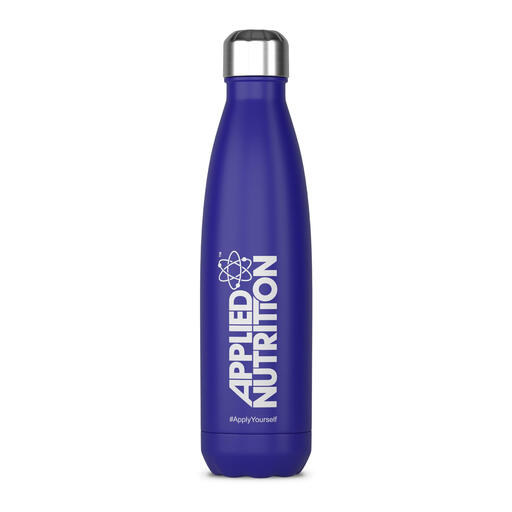
Why This Fits Their Persona: A practical size for gym users, students, office workers and short commutes, especially when you want a reusable bottle without carrying a large container.
The listing clearly states a 500ml capacity, leak-proof lid, BPA-free construction and dishwasher-safe care instructions, helping you check the essentials before purchase.
Stainless steel construction; listed cold retention of up to 24 hours and hot retention of up to 12 hours; compact portable format.
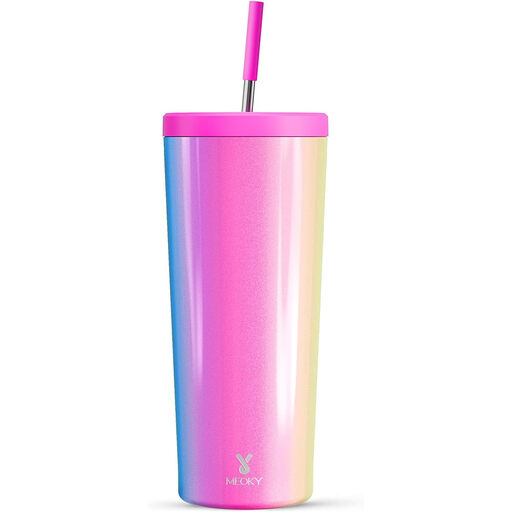
Why This Fits Their Persona: Suitable for commuters and drivers who want a larger cold drink, straw access and a design intended to fit a car cup holder.
Its stated leak-proof function applies when the straw is removed, so the transport condition is clear rather than implied. It also specifies hand washing and no microwave use.
24 oz capacity; 18/8 food-grade stainless steel; BPA-free materials; tapered base and non-slip base.

Why This Fits Their Persona: Designed for hikers, campers, work teams and anyone carrying a substantial hot meal rather than only a drink.
The wide-mouth design supports filling, serving and cleaning, while the instructions state that the jar should not be inverted or tipped to reduce spill risk.
316 stainless steel; 1.5L format; wide mouth; leak-proof lid; listed thermal retention of 4–6 hours.
Pre-heating or pre-chilling can improve the starting temperature of contents. The Maxcook instructions recommend rinsing the jar with hot or cold water for a few minutes before filling. Avoid carbonated liquids in products that prohibit them and do not use a tumbler in a microwave when it contains stainless steel.
For routine cleaning, separate the lid, straw and seal where the instructions permit. Dry components fully before reassembly to reduce lingering odours. Inspect silicone seals periodically: a stretched, cracked or poorly seated seal can cause leakage even when the container itself remains intact.
We have compiled a complete, real-time list of products that fully satisfy these strict selection criteria and UK safety regulations.
They can be practical for reducing reliance on single-use drinks containers and maintaining a preferred drink temperature during commuting, work or exercise. Value depends on matching the capacity, lid design and cleaning requirements to your routine.
There is no universal lifespan. The outer steel body may remain usable for a long time, while seals, lids, coatings and straws may need earlier replacement. Avoiding heavy impacts, following washing instructions and storing the bottle dry can help preserve its function.
Their main ongoing costs are cleaning products, replacement straws or seals and, where applicable, dishwasher use. A reusable drink bottle may reduce the need to buy bottled drinks, but the financial benefit depends on how often it is used and maintained.