
24/7 Customer Support

Free returns

Same-day & Next-day Delivery

Quality Guaranteed

Unlock Your Welcome Offers: FREE Delivery | Up to 80% OFF | Free 30-day JoyPlus trial
Download the APP
Indoor cats often need more than a static toy left on the floor. Interactive cat toys can encourage chasing, pouncing and batting while giving your cat something to investigate when you are working, cooking or away from home. However, movement and smart features do not automatically make a toy suitable.
The right choice depends on your cat’s play style, the available space and how much maintenance you are willing to manage. This guide explains the common buying traps, the specifications worth checking and a selection of products matched to different households.
A toy that spins continuously may attract attention for a few minutes but become predictable soon afterwards. Cats often respond better to movement that pauses, changes direction or starts when they touch it. Look for variable movement patterns, vibration sensing or touch activation rather than relying on a motor that simply runs at one speed.
Prey-inspired designs can also make a difference. Flapping wings, bouncing balls and moving tails imitate familiar hunting movements, although individual cats will still have different preferences.
“Rechargeable” does not always explain how convenient a toy will be to use. Check whether it uses USB-C charging, the stated playtime per charge and whether the charging port must be kept dry. A toy that needs frequent battery replacement can become expensive and inconvenient, particularly if your cat uses it every day.
For automatic cat toys, also consider whether the toy starts by itself or requires a tap from your cat. Smart activation can reduce unnecessary running time and may help conserve charge.
Plush toys, feathers and small detachable parts can wear during vigorous play. Cat toys with feathers may need regular inspection, while fabric toys should be removed if stitching tears or internal components become visible. Electronic toys should generally be wiped rather than immersed in water.
Even self-play cat toys are not automatically suitable for unsupervised use. Follow the product instructions, keep cables away from pets and stop using a toy if the casing, fabric, battery or moving parts are damaged.
Choose the movement according to your cat’s habits:
For frequent use, prioritise rechargeable cat toys with a clearly stated charging method. USB-C rechargeable cat toys are convenient if your household already uses compatible cables, but keep the port and cable dry. A stated runtime of up to three hours, as supplied for one of the spinning balls below, gives a more practical comparison than vague phrases such as “long-lasting battery”.
A small moving toy should be large enough that your cat cannot easily swallow it, while still being light enough to bat. Check the dimensions and inspect seams, wings, feathers and silicone sections before use. Recycled ABS plastic, food-grade silicone wings, plush fabric and silicone shells each require different care.
Catnip can increase interest, but not every cat responds to it. Treat catnip as an optional attraction feature rather than a guarantee of engagement.

Why This Fits Their Persona: A simple option for new cat owners who want a lightweight self-play toy without charging or electronic controls.
There is no battery-runtime claim to manage, and the toy can be replaced if the plush or catnip section becomes worn.
Three-dimensional plush fly shape; catnip-infused; lightweight at approximately 5 x 5 x 9 cm.
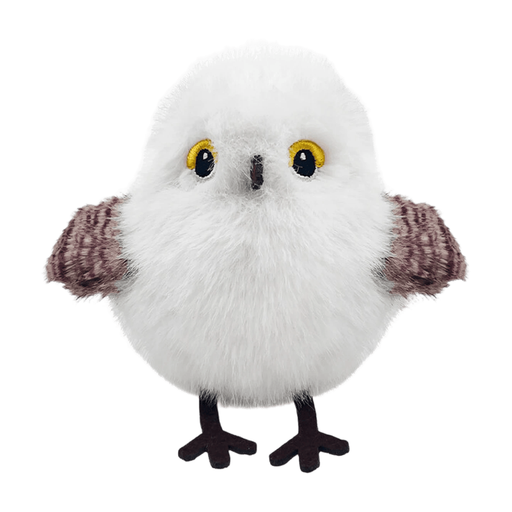
Why This Fits Their Persona: Suitable for owners seeking a more lifelike electronic bird design with rechargeable convenience for regular indoor play.
The rechargeable design avoids disposable batteries, while the removable catnip pouch lets you use or remove the attraction feature.
USB-C charging; vibration sensing; flapping wing sounds; recycled ABS plastic and silicone wings.
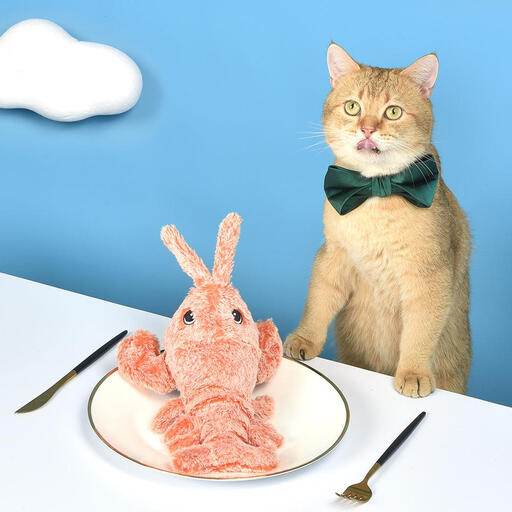
Why This Fits Their Persona: A practical match for cats that grab, kick and carry soft toys, with three ocean-themed characters for rotation.
Multiple characters make it easier to rotate play, while the layered fabric should still be checked for tears after energetic sessions.
Set includes narwhal, shark and lobster designs; USB-C rechargeable; layered plush, wadding and lining construction.
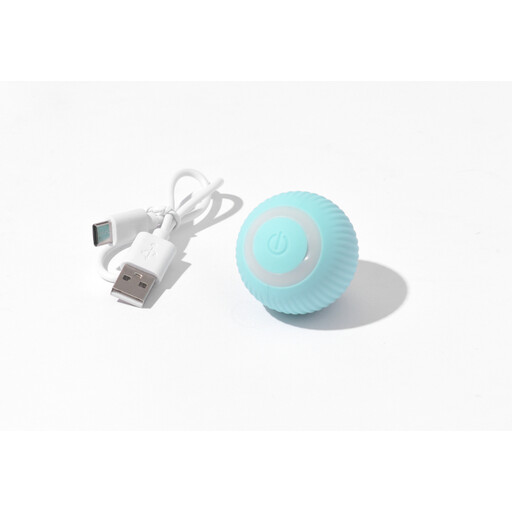
Why This Fits Their Persona: Designed for indoor cats that enjoy chasing a compact moving object across hard floors while owners are occupied.
Smart mode responds to a gentle pat, helping avoid constant operation. Its quiet silicone shell is also more suitable for shared indoor spaces.
42 mm rolling ball; location sensor; up to three hours of playtime per charge; quiet silicone shell.
We have compiled a complete, real-time list of products that fully satisfy these strict selection criteria and UK safety regulations.
Start with short sessions so you can observe your cat’s response. Place moving toys on a clear, dry floor away from stairs, fragile objects and tight gaps under furniture. Rotate between different formats rather than leaving one toy running all day.
For rechargeable models, charge before the first use as directed and keep the cable away from your cat. Do not use a toy if its battery appears swollen, the casing is cracked or the fabric has exposed components. Store catnip toys in a cool, dry place and follow the care instructions supplied with the product.
Many are designed for cats of different life stages, but kittens need closer supervision because they may chew seams, feathers or small parts. Choose an appropriately sized toy, inspect it before and after play and remove it if damage appears.
Runtime varies by motor, activation mode and battery capacity. The Petgravity spinning ball lists up to three hours per charge, while other toys may provide less depending on movement and sound settings. Treat stated runtime as a guide rather than a guarantee and recharge when movement becomes weak.
Not necessarily. Catnip toys provide scent and tactile play, while smart cat toys add movement and independent chasing. Combining both can offer variety, but your cat’s response should guide your choice. Some cats prefer quiet plush toys; others are more interested in moving balls, flapping wings or vibration.