
24/7 Customer Support

Free returns

Same-day & Next-day Delivery

Quality Guaranteed

Unlock Your Welcome Offers: FREE Delivery | Up to 80% OFF | Free 30-day JoyPlus trial
Download the APP
Indoor cats can have plenty of food, comfort and attention yet still become bored when the household is empty. Interactive cat toys can add movement, sound and problem-solving to the daily routine, particularly for cats that enjoy chasing, pouncing or exploring.
However, not every automatic toy is suitable for every home. Some are noisy, difficult to recharge or too fragile for enthusiastic play. The right choice depends on your cat’s temperament, your available floor space and how much supervision you can provide.
Flashing lights, realistic sounds and unusual shapes may attract attention initially, but they do not guarantee sustained play. Cats often respond more consistently to movement that resembles prey, such as a quick rolling ball, fluttering wings or a flopping tail.
Look for a clear play pattern, such as random movement, tap activation or a sensor that reacts when your cat approaches. These features can make an electronic cat toy more responsive than a toy that simply runs continuously.
A toy that requires disposable batteries can become inconvenient and costly if used frequently. Rechargeable cat toys are generally easier to keep ready, but check the charging connection and stated play time before buying.
USB-C cat toys are particularly convenient if your household already uses USB-C cables. Also check whether the cable is included, how long charging takes and whether the toy must remain switched off while charging.
Cats bite, scratch and carry toys, so exposed wiring, loose fabric or poorly secured parts can create avoidable problems. Soft toys also need regular inspection because torn plush can expose stuffing, motors or batteries.
Check the materials, seams and moving components. A toy with electronic parts should normally be wiped rather than immersed in water. Always follow the product instructions and remove a damaged toy from use.
Automatic cat toys vary considerably. A spinning ball cat toy suits cats that chase movement across a hard floor, while a flopping fish cat toy may appeal to cats that prefer batting and biting. Bird toys for cats with moving wings and sounds can offer a different type of hunting simulation.
Useful activation types include:
For kittens and highly active cats, changing movement patterns can help maintain interest. For cautious cats, a quieter, slower design may be more suitable.
Check the battery type, charging port and estimated play time. One rechargeable spinning ball listed here provides up to three hours of play per charge, although actual performance can vary with the selected mode and floor surface.
USB-C charging is useful for everyday convenience, but keep ports and cables dry and away from pets. Do not use a toy if the battery casing, cable or charging connection appears damaged.
A toy should be large enough that your cat cannot swallow or become trapped by a detachable component. At the same time, a compact design may move more easily around furniture.
For flats or homes with sleeping children, a quiet silicone shell can be preferable to a toy with loud motors or repeated sound effects. Catnip toys may encourage initial interest, but not every cat responds to catnip, and any pouch or refill compartment should remain securely closed.
When buying from a UK marketplace, review the listing for manufacturer details, care instructions, battery warnings and any applicable product compliance information. These details are more useful than vague promises about entertainment or behaviour.
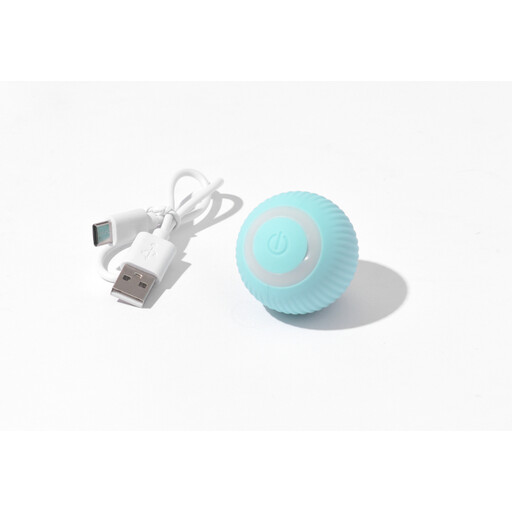
Why This Fits Their Persona: A compact option for a first automatic cat toy, especially in a UK flat or home with limited clear floor space. The ball is designed for indoor chasing and can be activated by a gentle pat.
Its rechargeable lithium battery avoids regular disposable-battery purchases, while the silicone shell is specified as quiet during movement.
42mm rolling design; location sensor; smart tap activation; up to three hours of stated play time per charge.

Why This Fits Their Persona: Suitable for owners who want variety and soft, prey-shaped toys for an indoor cat that enjoys batting, biting and carrying playthings around.
The set provides three characters and multiple play modes, reducing reliance on one repeated movement. Layered fabric construction should still be checked regularly for wear.
Includes narwhal, shark and lobster designs; lifelike flopping movement; USB-C rechargeable; soft layered fabric.
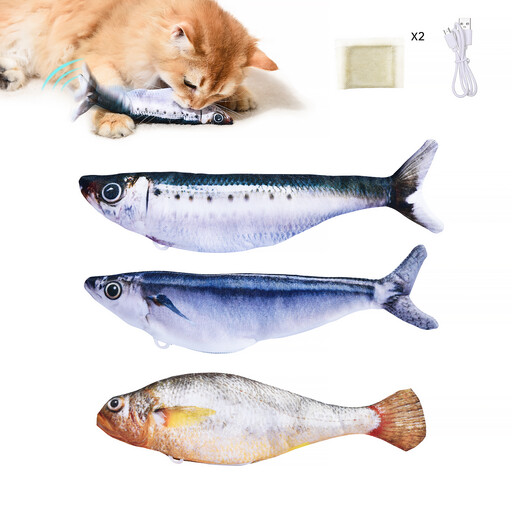
Why This Fits Their Persona: A practical match for active cats or multi-cat households that benefit from rotating several cat-hunting toys rather than using one item continuously.
Three fish allow rotation when one needs cleaning or charging. Randomly switching movement patterns can also provide more variation than a fixed flopping cycle.
Three movement patterns; smart tap activation; catnip compartment; USB Type-C rechargeable design.
Place automatic cat toys on a clear, dry indoor surface away from stairs, water bowls and fragile furniture. Introduce a new toy while you are present so you can see how your cat reacts and whether the toy catches on rugs or beneath furniture.
Use short play sessions at first. Some cats prefer a toy that pauses between movements, while others engage more readily when the toy is paired with a familiar catnip toy or a short human-led play session.
Keep charging cables out of reach and unplug the toy once charged if the instructions recommend this. Inspect plush, seams, silicone shells and detachable accessories regularly. Remove any toy showing exposed electronic components, damaged fabric or a swollen battery.
We have compiled a complete, real-time list of products that fully satisfy these strict selection criteria and UK safety regulations.
Many electronic cat toys are listed for cats of all life stages, but kittens still need supervision. Choose a size they cannot swallow, avoid loose attachments and use gentle movement until you understand their play style.
Their ongoing electricity use is generally limited to recharging the built-in battery. The practical running cost depends on charging frequency and battery condition. USB-C models can be convenient because compatible cables and chargers are common, but always use the charging method specified by the manufacturer.