
24/7 Customer Support

Free returns

Same-day & Next-day Delivery

Quality Guaranteed

Unlock Your Welcome Offers: FREE Delivery | Up to 80% OFF | Free 30-day JoyPlus trial
Download the APP
Indoor cats need opportunities to chase, pounce, bat and explore, but choosing suitable interactive cat toys is not as simple as picking the most colourful option. Many products look engaging in photographs yet become noisy, difficult to charge or uninteresting after a few sessions.
For UK households, the right choice should match your cat’s play style, your available floor space and how much supervision you can provide. This guide explains the features worth checking before buying, then compares suitable options for different homes.
Flashing lights, sound effects and automatic movement may attract a cat initially, but novelty can fade quickly. Toys with more than one play mode tend to offer greater variety. Look for movement that changes direction, responds to touch or imitates prey in a less predictable way.
A smart cat toy does not need to be complicated. A ball that starts after a gentle pat or a fish with different tail movements can encourage your cat to participate rather than simply watch.
A rechargeable cat toy can be convenient, but only if its charging method and expected play time suit your routine. Check whether it uses USB or USB-C, whether the cable is included and whether the battery is built in or replaceable.
Claims such as “long battery life” should be checked against the stated play time. For example, a rolling ball offering up to three hours per charge may be more practical for short daily sessions than a toy that needs frequent charging.
Moving cat toys that are too large may be difficult for a kitten or smaller cat to bat. Very small parts, loose feathers or torn fabric can also create a safety concern if your cat chews and swallows pieces.
For indoor play, consider:
Choose the movement type according to your cat’s preferred hunting behaviour:
Touch activation is worth considering for cats that lose interest when a toy moves continuously. It allows the cat to trigger the action and may make play feel more responsive.
For electronic cat toys, check the charging connection and usage instructions. USB-C is widely used and convenient if your household already has compatible cables. Keep all charging ports and cables dry and away from pets.
Battery-operated toys should be switched off when not in use. If a battery, casing or cable appears damaged, stop using the product. Rechargeable models can reduce the need for disposable batteries, but their running time still depends on how often the toy is activated.
Look for materials that are appropriate for the intended type of play. Silicone shells can help reduce noise, while plush toys provide a softer surface for biting and kicking. Recycled ABS plastic, food-grade silicone wings and polyester plush are examples of materials listed for products in this selection.
No material makes a toy indestructible. Inspect electronic cat toys, feathers, fabric, stitching and small attachments before each session. Remove any damaged item promptly and supervise cats that chew aggressively.

Why This Fits Their Persona: A straightforward choice for owners wanting three non-electronic toys for indoor chasing without charging or setup.
There is no battery to maintain, while the feathered design helps reduce the chance of the balls disappearing under furniture.
Three colours, silicone construction and unpredictable bouncing with natural feathers.
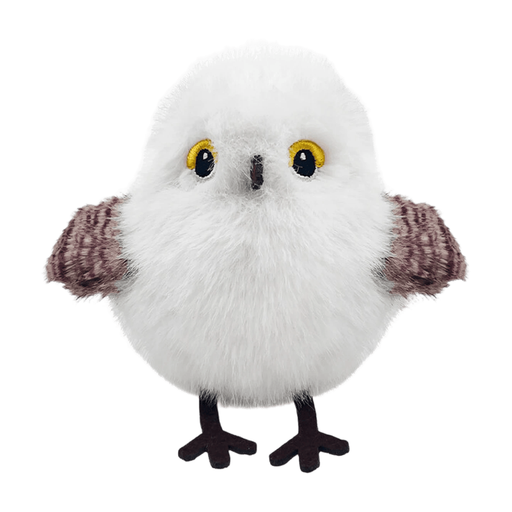
Why This Fits Their Persona: Suitable for owners seeking a more lifelike bird-style experience with rechargeable convenience and a removable catnip pouch.
The fluttering wings and sounds provide more than a static plush shape, while USB-C charging avoids routine disposable batteries.
Vibration sensing, flapping sounds, USB-C charging and recycled ABS plastic with food-grade silicone wings.
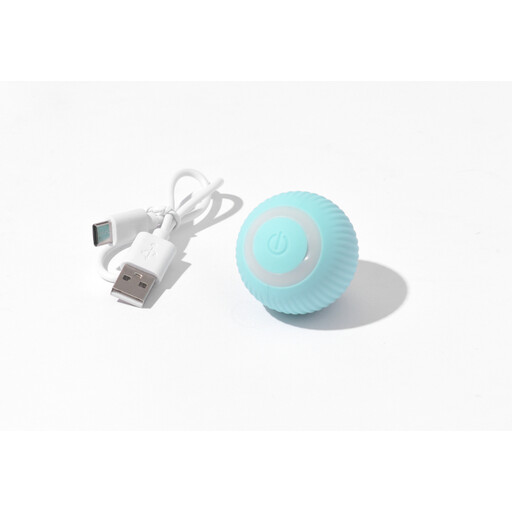
Why This Fits Their Persona: A practical match for busy pet parents who want automatic movement and a compact toy for indoor floor play.
The location sensor supports movement across different surfaces, while the stated play time and smart tap mode make operation easier to plan.
42mm rolling size, quiet silicone shell, location sensor and up to three hours of play per charge.
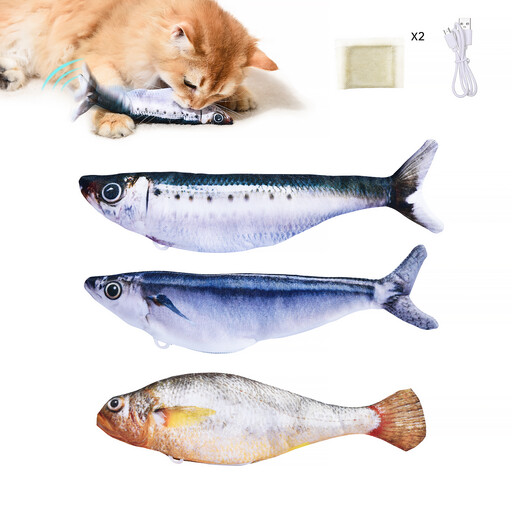
Why This Fits Their Persona: Useful for cats that enjoy grabbing, carrying and kicking soft prey-shaped toys, with three fish for rotation.
Three randomly switching movement patterns add variety, while tap activation avoids continuous movement when your cat is not interested.
Bionic tail movement, catnip compartment, smart tap activation and USB Type-C charging.
We have compiled a complete, real-time list of products that fully satisfy these strict selection criteria and UK safety regulations.
Begin with short sessions and observe which movements your cat follows. Place moving toys on a clear, dry floor away from stairs, fragile objects and cables. Electronic toys should not be used in water or left charging where a cat can chew the cable.
Always supervise initial use. Inspect toys regularly for broken plastic, loose feathers, exposed electronics, torn plush or detached catnip pouches. Rotate different toy types to maintain interest, but store toys securely when unsupervised if your cat tends to destroy or ingest parts.
Many products are listed for cats of all life stages, but suitability still depends on size, speed and chewing habits. Choose slower, lightweight options for kittens and monitor older cats to ensure movement is comfortable. Supervision is particularly important during first use.
Running cost mainly depends on charging frequency and household electricity prices. USB-C and USB rechargeable toys use small built-in batteries, so their electricity consumption is generally modest. The more relevant consideration is battery lifespan and whether the toy continues to hold charge over time.
Lifespan varies with play frequency, chewing, storage and cleaning. Keep electronic units dry, avoid pulling moving parts and recharge according to the instructions. Replace any toy showing casing, cable or battery damage, even if it still switches on.