
24/7 Customer Support

Free returns

Same-day & Next-day Delivery

Quality Guaranteed

Unlock Your Welcome Offers: FREE Delivery | Up to 80% OFF | Free 30-day JoyPlus trial
Download the APP
Interactive dog toys can turn a short break, garden session or rainy afternoon into useful play. However, the right choice depends on your dog’s size, chewing style, environment and interest in different activities. A toy that works well for a small puppy may be unsuitable for a powerful adult dog, while a feature-packed electronic toy may be impractical if it needs frequent charging or careful cleaning.
This guide explains the main buying pitfalls, the specifications worth checking and our top recommendations for 2026.
Terms such as “tough”, “rugged” and “bite-resistant” describe intended use, not a guarantee that a toy cannot be damaged. Strong chewers may split rubber, detach straps or expose squeakers quickly.
Look for clear warnings about chewing strength and inspect the toy before and after each session. Even durable dog toys should be replaced when cracked, torn, punctured or showing loose components.
A small ball can be attractive to a large dog but may present a swallowing risk. Conversely, dog toys for large dogs can be too heavy or difficult for puppies and smaller breeds to carry.
Check the stated diameter and recommended weight range rather than judging by the product photograph. For example, a 4.8 cm ball is designed with smaller mouths in mind, while a 7.3 cm fetch ball is intended for larger play sessions.
Lights, squeakers, motion sensors and rechargeable batteries can add interest, but they may not suit every home. Electronic toys need charging and should be removed if the casing or battery compartment becomes damaged. Glow-in-the-dark dog toys also need exposure to light before use, while squeaky dog toys may be unsuitable for dogs that try to tear out the squeaker.
Choose the feature that matches your routine: a launcher-compatible ball for park fetch, a treat-dispensing toy for supervised independent play or a rechargeable dog toy for indoor movement.
For balls, compare the diameter with your dog’s mouth and playing style. Small dogs may manage mini dog balls more comfortably, while medium and large dogs often need a larger ball that is easier to carry without being swallowed.
A strap can improve your grip during tugging or throwing, but it should be checked regularly for fraying. Avoid allowing a dog to chew continuously on a fabric handle if threads begin to loosen.
Natural rubber, TPR, latex, PU fabric and plastic each provide different play characteristics:
No material makes a toy suitable for every dog. Match construction to chewing behaviour, and do not leave a new toy unattended until you know how your dog uses it.
Outdoor dog toys should be easy to rinse after use in grass, mud, sand or shallow water. Bright colours can help you locate dog fetch toys outdoors, while LED or fluorescent features may support low-light visibility without replacing normal supervision.
For rechargeable toys, check charging instructions, expected play time and whether the charging cable must be kept away from pets. Battery-powered products should be stored securely and removed from use if the housing is damaged.
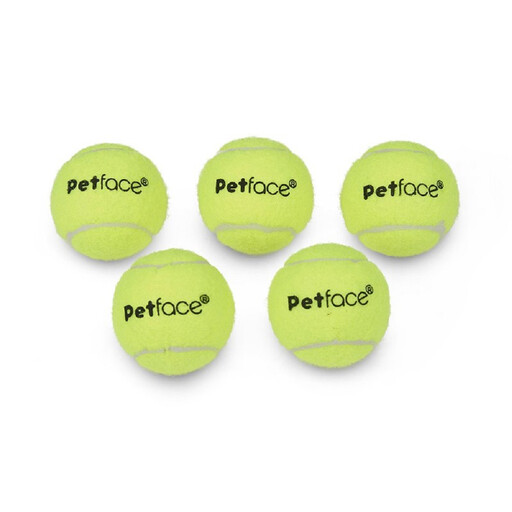
Why This Fits Their Persona: The five-pack gives new dog owners several small fetch toys for training, indoor play or short garden sessions. The 4.8 cm size is positioned for puppies and smaller dogs.
The stated dimensions make it easier to compare mouth fit instead of relying on a generic “all dogs” description. They still require supervision and replacement when worn.
Five balls per pack; 4.8 cm diameter; rubber core; bright colours for visibility; suitable for fetch and training.
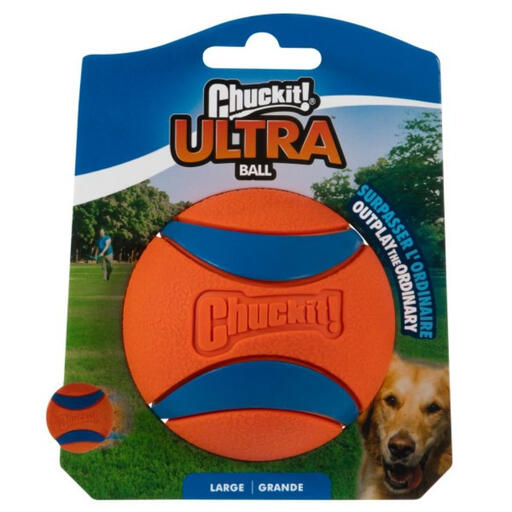
Why This Fits Their Persona: Suitable for owners who regularly visit parks, beaches or large gardens and want one clearly specified ball for energetic fetch. It can be thrown by hand or used with compatible launchers.
Its listed 7.3 cm diameter and clear warning that it is not a chew toy help set realistic expectations about size and use.
Extra-thick natural rubber; high bounce and buoyancy; bright orange and blue finish; smooth surface for cleaning; launcher compatibility.
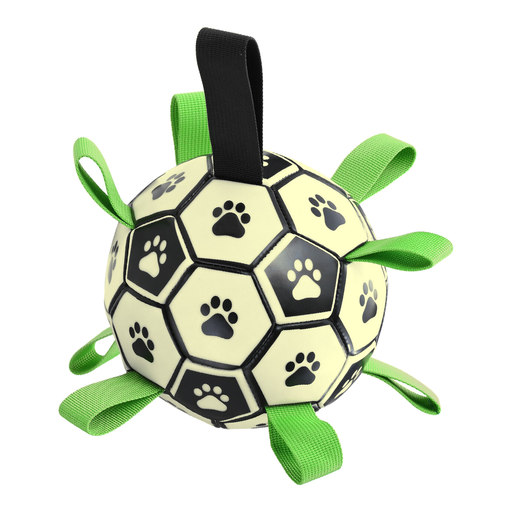
Why This Fits Their Persona: A practical option for owners who combine garden, beach or shallow-water play with evening sessions. The 15 cm size is specified for small to medium dogs weighing approximately 5–20 kg.
The product information states its dog-size range and warns against aggressive chewing, rather than presenting the toy as suitable for every behaviour.
Glow effect after light exposure; amphibious design; integrated nylon tug strap; TPR construction; rinse-and-air-dry cleaning instructions.
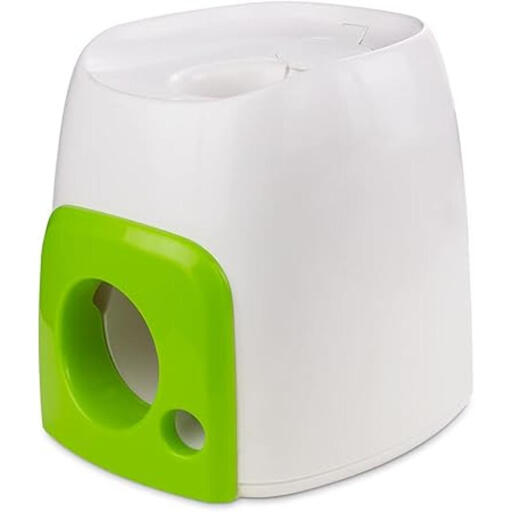
Why This Fits Their Persona: This suits households wanting treat-dispensing dog toys for supervised problem-solving and independent play, particularly when outdoor exercise is limited by rain or a busy routine.
It has a defined ball-and-reward mechanism and separate treat compartments, so owners can introduce the activity gradually instead of relying on vague stimulation claims.
Battery-free operation; included tennis ball; treat-hiding compartments; can be introduced progressively with supervision.
We have compiled a complete, real-time list of products that fully satisfy these strict selection criteria and UK safety regulations.
Yes, provided the toy matches the puppy’s size, chewing ability and age guidance. Start with simple dog training toys, soft fetch balls or supervised squeaky toys. Remove any item that begins to break apart or that your puppy attempts to swallow.
There is no fixed lifespan. A gentle fetch toy may remain usable for months, while a strong chewer may damage it much sooner. Inspect the toy before every session and judge its condition rather than relying on a promised duration.
They usually require an initial charge and occasional electricity use rather than disposable batteries. Running cost depends on charging frequency and battery capacity. Follow the supplied charging instructions, keep cables away from pets and stop using the toy if its casing becomes cracked or unusually hot.