
24/7 Customer Support

Free returns

Same-day & Next-day Delivery

Quality Guaranteed

Unlock Your Welcome Offers: FREE Delivery | Up to 80% OFF | Free 30-day JoyPlus trial
Download the APP
A toy can look exciting on its packaging yet spend most of its life untouched in the dog’s basket. For UK owners, choosing suitable interactive dog toys means looking beyond bright colours and claims about “hours of fun”. The right option should match your dog’s size, play style, bite strength and the space available at home or outdoors.
Whether you need dog fetch toys, treat-based enrichment or dog toys for boredom, a few common buying traps are worth avoiding.
Some toys are interactive because they make a noise or are designed for fetch. They may encourage interaction between you and your dog, but they will not necessarily provide independent activity. A squeaker toy, for example, may be entertaining during a short play session but offer limited mental challenge when left on the floor.
Consider whether you want a toy for owner-and-dog play, solo exploration or both.
Treat dispensing dog toys and puzzle toys for dogs can encourage sniffing, pawing and problem-solving. However, a toy that releases food too quickly may provide little challenge, while one that is too difficult may cause frustration.
Look for adjustable openings, accessible compartments or a simple starting level. Begin with familiar dry kibble or small treats, then adjust the difficulty according to your dog’s response.
A toy described as durable is not automatically suitable for every dog. Strong chewers can damage plush, rubber or rope products quickly. A small ball may also be unsuitable for a large dog, while a large or heavy toy may be awkward for a puppy or smaller breed.
Always check the stated dimensions, material and warnings. Remove any toy that develops cracks, loose parts, torn fabric or detached squeakers.
For outdoor play, natural rubber can provide bounce, buoyancy and a surface that is relatively straightforward to rinse after muddy walks. Smooth surfaces may also be easier to clean than heavily textured fabric.
Plush toys can be comfortable for gentle play, carrying and indoor fetch, but they are not generally intended to replace chew toys. If the product warning says “not a chew toy”, treat that as an important use restriction rather than a minor note.
Compare the toy’s dimensions with your dog’s mouth, jaw strength and preferred play style. The product range here includes a 6.5cm medium ball, a 7.3cm large ball and a 70 x 57cm snuffle mat, so these items suit different settings and dogs.
For dog toys for small and medium-sized dogs, check that treats can be accessed without excessive force and that the toy cannot be swallowed. Puppies and senior dogs may need shorter sessions and easier puzzles than active adult dogs.
Food-based toys need regular cleaning. Use only suitable dry, non-perishable treats in fabric snuffle toys unless the label specifically permits other food. Clear away crumbs after use and allow washable toys to dry fully. This is particularly useful in damp UK homes, where trapped moisture can create unpleasant odours.
For balls used in parks, beaches or gardens, rinse away dirt and drool after play. Even a well-constructed toy should be inspected before each session.
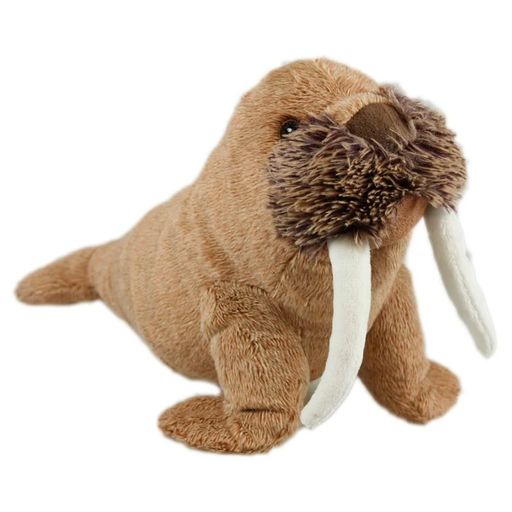
Why This Fits Their Persona: A straightforward indoor option for owners introducing a puppy or gentle adult dog to interactive play in a flat, house or smaller living space.
Its role is clear: soft interactive play, carrying and fetching. It is not presented as a chew toy, helping set realistic expectations.
Soft plush fabric, an integrated squeaker and a small format designed for play and fetch.
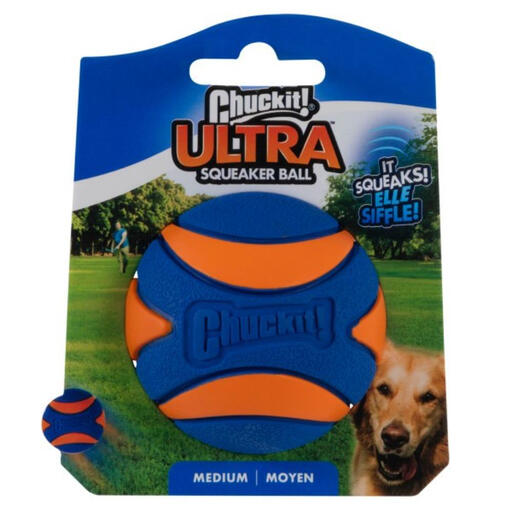
Why This Fits Their Persona: Suits owners who want a clearly specified ball for regular park, garden or beach fetch, with visibility and cleaning convenience built into the design.
The 6.5cm size, medium classification and warning against aggressive chewers make suitability easier to assess before purchase.
Natural rubber core, integrated squeaker, bright orange-and-blue colour and compatibility with launchers.
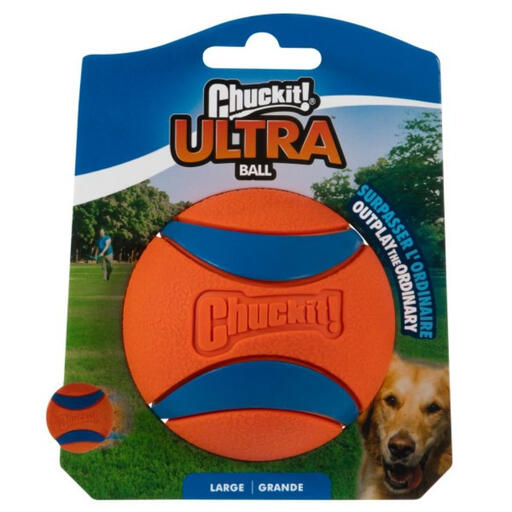
Why This Fits Their Persona: A larger fetch-ball format for active dogs and owners who regularly play on open grass, in gardens or near water.
Its 7.3cm size and stated launcher compatibility help distinguish an outdoor fetch tool from a general-purpose chew item.
High bounce, buoyancy, extra-thick natural rubber and a smooth surface that can be rinsed clean.
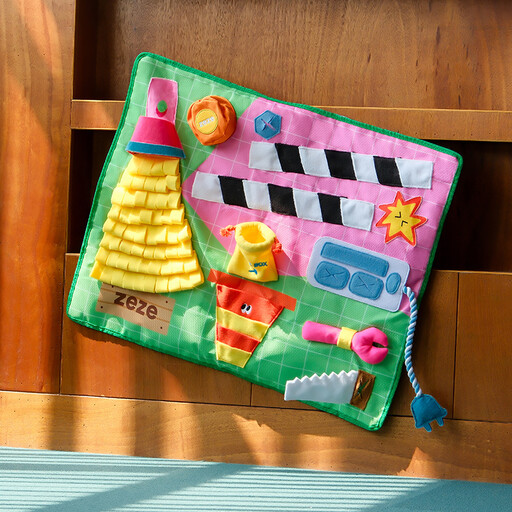
Why This Fits Their Persona: A useful indoor choice for owners wanting scent-led enrichment during wet afternoons or quieter periods at home.
The 70 x 57cm dimensions and defined compartments provide more useful information than a vague promise of mental stimulation.
Multiple hiding areas, plush and woven materials and a format that uses dry treats or kibble for foraging.
We have compiled a complete, real-time list of products that fully satisfy these strict selection criteria and UK safety regulations.
Start with the easiest setting. Show your dog where the treat or ball goes, reward small successes and keep the first session brief. If your dog loses interest or becomes frustrated, simplify the task and try again later. Interactive play should complement walks, training and social time rather than replace them.
There is no fixed lifespan because it depends on chewing strength, frequency of use, material and cleaning. Inspect toys before each session, particularly around seams, squeakers, openings and rubber edges. Replace a toy immediately if pieces become loose or fragments can be removed.
Most do not require electricity. The ongoing cost is usually limited to replacement treats, kibble and, occasionally, worn toys. Battery-free options such as manual fetch toys, snuffle mats and food-dispensing balls can provide repeat use without charging or battery replacement. Always account for treats within your dog’s daily food allowance.