
24/7 Customer Support

Free returns

Same-day & Next-day Delivery

Quality Guaranteed

Unlock Your Welcome Offers: FREE Delivery | Up to 80% OFF | Free 30-day JoyPlus trial
Download the APP
Interactive dog toys can turn a rainy afternoon, short winter walk or quiet period at home into useful play. However, a toy that looks engaging online may not suit your dog’s size, bite strength or preferred activity. The right choice depends less on colourful packaging and more on construction, supervision requirements and how your dog actually plays.
This guide from the Joybuy Product Recommendation Officer focuses on practical buying decisions for UK dog owners, from choosing an interactive dog ball toy to comparing puzzle-based and self-moving designs.
A durable dog toy may cope with regular fetching or moderate chewing, but no toy is suitable for every dog. Strong chewers can quickly damage soft coverings, seams, straps or plastic shells. Look for clear information about materials, recommended dog size and chewing limitations rather than relying on phrases such as “tough” or “bite-resistant”.
Always inspect the toy before and after play. Cracks, loose threads, exposed electronic parts or detached pieces are reasons to remove it immediately.
A glow-in-the-dark dog toy, flashing ball or self-moving dog toy may attract attention, but the feature needs to match the play environment. Lights are useful in dim gardens or during evening play, while motorised toys require charging and enough clear floor space. Some electronic toys are also intended for supervised use and are not suitable for dogs that attempt to chew through casings.
A ball that is too small may create a swallowing risk, while one that is too large can be difficult for a small dog to carry. Similarly, a dog that enjoys sniffing may gain more from a dog puzzle toy or dog snuffle mat than from a conventional fetch toy.
Check the listed dimensions, weight guidance and intended breed or size range before ordering. A 15 cm ball, for example, may suit small and medium dogs, but the practical fit still depends on your dog’s jaw size and carrying habits.
For fetch and tug games, look for TPR, rubber, woven fabric or nylon components with no easily detachable decorations. A chew-resistant dog toy should still be checked regularly, particularly if your dog bites, digs into or tries to dismantle toys.
Braided or woven outer layers can provide a practical grip for throwing and carrying, while inflatable designs may be easier to store when deflated. Do not over-inflate a ball, and stop using it if the inner structure leaks or the outer layer splits.
Use the product’s diameter as a starting point, not the only measurement. A dog should be able to carry the toy comfortably without it sitting too far back in the mouth. For dog toys for small and medium dogs, a 15 cm ball may be manageable, while larger dogs may need a larger format or a sturdier motorised design.
When buying for puppies, consider their current mouth size rather than their expected adult size. Recheck the toy as your dog grows.
Water-friendly outdoor dog toys should be easy to rinse and dry. Treat-based toys need frequent cleaning to prevent old food from collecting in folds or compartments. For electronic products, check charging arrangements, battery type and whether the toy is intended for indoor use only.
The UK General Product Safety Regulations 2005 place general safety responsibilities on consumer products, but they do not remove the need for responsible use. Follow the product instructions, keep charging cables away from pets and supervise play, especially when introducing a new toy.

Why This Fits Their Persona: A straightforward option for owners wanting one toy for kicking, chasing and fetching at home, in the garden or at the park.
Its 15 cm format and inflatable core are clearly stated, helping shoppers compare size and storage rather than relying only on promotional wording.
Lightweight, bouncy woven structure; deflates for compact storage and travel.
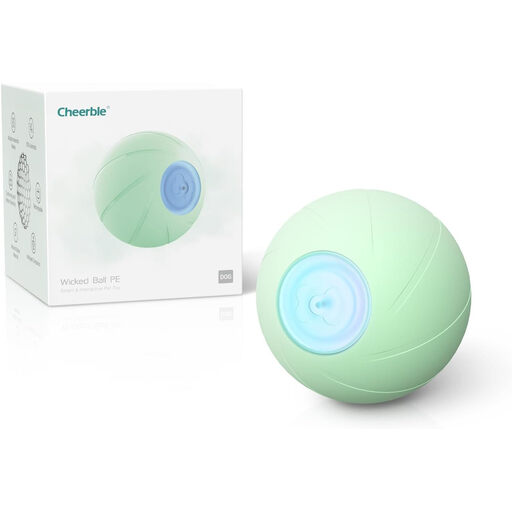
Why This Fits Their Persona: Suitable for medium and large dogs whose owners want rechargeable, hands-free movement for supervised indoor play.
The product specifies three play modes, a 95 mm diameter, magnetic charging and a stated play time of up to 90 minutes per charge.
LED lights, obstacle sensors and a rechargeable battery; sealed core designed for easier cleaning.
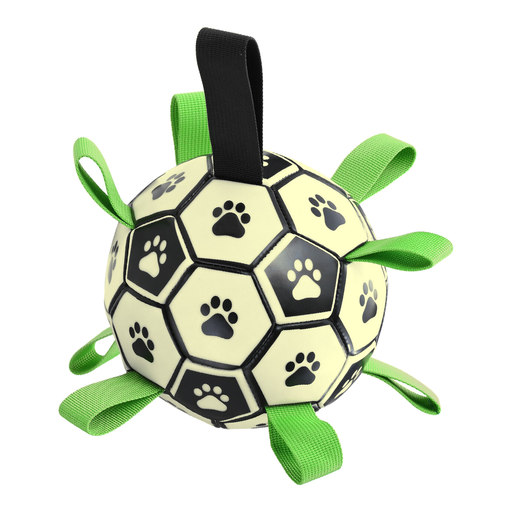
Why This Fits Their Persona: A practical match for owners who combine evening walks, beach trips, shallow-water play and tug-of-war with small or medium dogs.
The 15 cm diameter, TPR and nylon construction, water-use design and supervision warnings are specified, while the glow needs exposure to light before use.
Fluorescent effect for low-light visibility; amphibious design and integrated nylon grab strap.
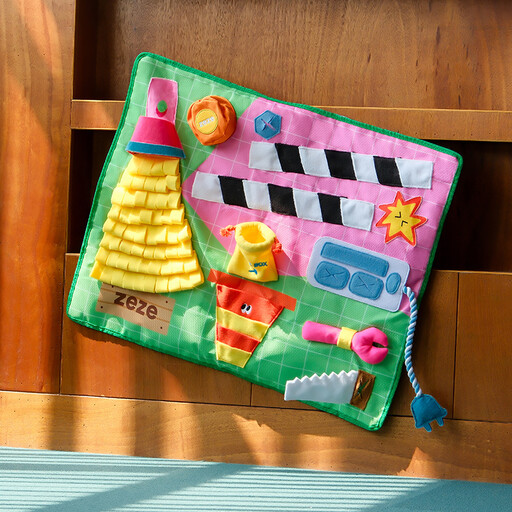
Why This Fits Their Persona: Well suited to dogs that enjoy sniffing, searching and food-based activities, particularly when outdoor exercise is limited by UK weather.
It uses named compartments and folds for dry treats or kibble, with clear instructions to supervise, inspect for damage and remove food debris after use.
Large 70 x 57 cm format; combines plush, woven fabric, rope, crinkle paper and EVA plastic sections.
We have compiled a complete, real-time list of products that fully satisfy these strict selection criteria and UK safety regulations.
Some designs can support independent play after training, including selected treat dispensers and self-moving dog toys. They should not automatically be left with a dog that chews or swallows parts. Remove the toy if damage appears, and keep electronic products away from water unless the instructions specifically allow it.
Lifespan depends on bite strength, frequency of use, storage and the type of play. A toy used for gentle fetch may last longer than one used for daily chewing or tugging. Rotate several toys, rinse washable products and inspect seams, straps, covers and casings regularly.
Non-electronic options such as a dog fetch toy, snuffle mat or manual treat dispenser do not require charging. Rechargeable electronic toys avoid disposable battery purchases but still need charging time and eventual battery replacement or product disposal. Check the listed charging method and play time before buying.