
24/7 Customer Support

Free returns

Same-day & Next-day Delivery

Quality Guaranteed

Unlock Your Welcome Offers: FREE Delivery | Up to 80% OFF | Free 30-day JoyPlus trial
Download the APP
As a dog owner, you know that a happy dog is one that is mentally stimulated and physically active. Yet, finding ways to keep them engaged can be a challenge, especially when you're juggling a busy schedule. A bored dog often finds its own entertainment, which can sometimes lead to chewed furniture, dug-up gardens or other unwanted behaviours.
This is where interactive dog toys come in. More than just simple playthings, these toys are designed to challenge your dog's mind, engage their natural instincts and provide a healthy outlet for their energy. This guide is designed to help you understand the different types of toys available and find a suitable match for your companion's needs, helping to turn idle time into productive, enriching play.
Navigating the world of dog toys can feel overwhelming. To simplify your choice, consider these key factors before you buy.
A toy is only fun if it's safe. The material is one of the most important considerations. Look for toys made from non-toxic, pet-safe materials like high-quality thermoplastic rubber (TPR) or natural rubber. For puppies or enthusiastic chewers, finding durable chew toys for dogs is essential to prevent the toy from breaking apart and becoming a hazard. Many dog teething toys are specifically designed with durable, textured surfaces to soothe sore gums while standing up to persistent chewing.
Does your dog love to solve problems, or are they more motivated by sound and movement? Matching the toy to their play style is key to keeping them engaged.
Many interactive toys do double duty. Look for dental chew toys for dogs with varied textures, nubs or ridges. As your dog chews, these surfaces help to clean plaque and tartar from their teeth and massage their gums, contributing to better oral hygiene.
Here are a few recommendations that cater to different play styles and needs, selected to provide both fun and function for your dog.
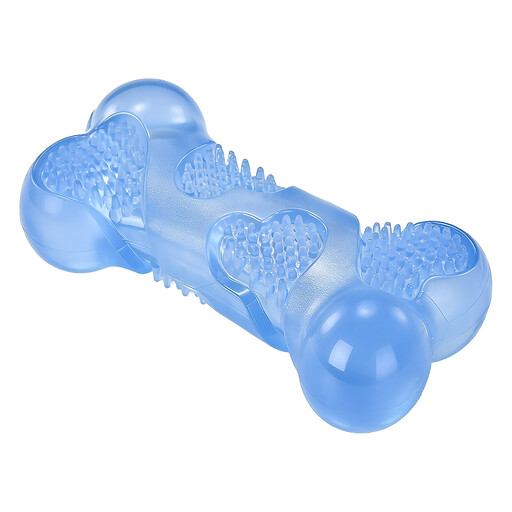
Why It Stands Out: This toy combines a classic, easy-to-grip bone shape with the engaging fun of a built-in squeaker. It’s made from a soft but resilient TPR material, making it a good option for satisfying a dog's natural urge to chew without being too harsh on their teeth.
Pros:
Who is it for? Small to medium-sized dogs who are motivated by sound and enjoy a satisfying chew session. It's also a suitable choice for puppies who need a safe outlet for teething.
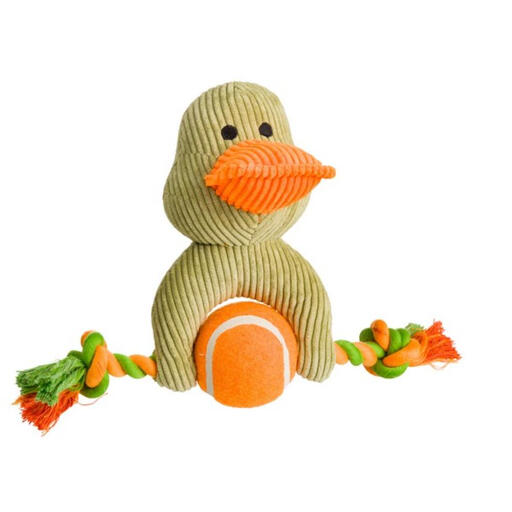
Why It Stands Out: This is a multi-sensory toy that offers a variety of play options in one. It combines a soft plush body, a sturdy knotted rope and a hidden tennis ball, catering to dogs who enjoy cuddling, tugging and fetching.
Pros:
Who is it for? Dogs who get bored easily and appreciate variety. It’s an excellent choice for owners looking for a single toy that supports different types of interactive play, from tug to fetch.

Why It Stands Out: This toy excels as a dog puzzle toy, turning treat time into a mentally stimulating challenge. Its hollow core can be filled with kibble or treats, encouraging your dog to work for their reward. The toy is made from a Biosafe material, which is certified food-safe.
Pros:
Who is it for? Food-motivated dogs of all ages. It is particularly useful for puppies needing teething relief or for any dog that could benefit from a rewarding boredom buster dog toy that engages their brain.
If these specific recommendations aren't quite the right fit, or if your dog has a preference for a particular colour, there are many other options to discover. A bright, cheerful toy can be easier to spot in the garden or park.
Explore our full range of yellow dog toys here.
Always check the manufacturer's guidelines, which are typically based on your dog's weight or breed. A toy that is too small can pose a choking risk, while one that is too large may be difficult or uninteresting for your dog to play with.
Yes, puzzle toys can be beneficial for most dogs, but it's important to match the difficulty to your dog's ability. Start with a simple puzzle to build their confidence. If they solve it too quickly, you can move to a more challenging one. These toys are a fantastic way to provide mental exercise and prevent boredom.
There is no set timeline for replacing toys. The most important thing is to inspect them regularly for signs of damage, such as cracks, tears or parts that have become loose. If a toy is significantly worn or broken, it should be discarded immediately to ensure your dog's safety and prevent the accidental ingestion of small pieces.