
24/7 Customer Support

Free returns

Same-day & Next-day Delivery

Quality Guaranteed

Unlock Your Welcome Offers: FREE Delivery | Up to 80% OFF | Free 30-day JoyPlus trial
Download the APP
As a Joybuy Product Recommendation Officer, my role is to help you navigate the crowded market of pet supplies. When it comes to interactive dog toys, the promises are big: an end to boredom, a solution for destructive chewing and a happier, more stimulated companion. Yet, many UK dog owners find themselves with a collection of unused, broken or ignored toys.
A well-chosen toy can be a fantastic tool for dog enrichment, but a poor choice is a waste of money and can even be a safety risk. Before you add another toy to your basket, let's look at the common pitfalls that lead to disappointment.
durable dog toys, but this term is not standardised. A toy that withstands a gentle Jack Russell may not last five minutes with a determined Staffordshire Bull Terrier. This vague labelling often leads to shredded toys, wasted money and the potential hazard of your dog ingesting broken pieces.puzzle toys for dogs that look impressive on the box. However, if a puzzle is too difficult for your dog's current problem-solving ability, it leads to frustration, not fun. The dog may give up entirely or resort to chewing the toy apart to get the reward, defeating the purpose of the enrichment activity.To make a smart purchase, focus on a few core parameters rather than marketing hype. These factors will help you match a toy to your dog's specific needs.
The material dictates a toy's durability, safety and suitability for different types of play.
squeaky dog toys use TPR for its resilience.dog chew toys. It's suitable for the most powerful chewers but may be too hard for puppies or senior dogs.Always check for BPA-free materials to ensure the toy is non-toxic.
Consider what kind of stimulation your dog needs most.
treat dispensing dog toys.dog enrichment toys encourage your dog to use their nose and brain to find hidden treats. They tap into natural instincts and are a great way to combat boredom.puppy teething toys designed to soothe sore gums.Instead of a generic list, we've matched specific products to common UK dog owner profiles. This helps you find a toy that truly fits your dog's personality and your household's needs.
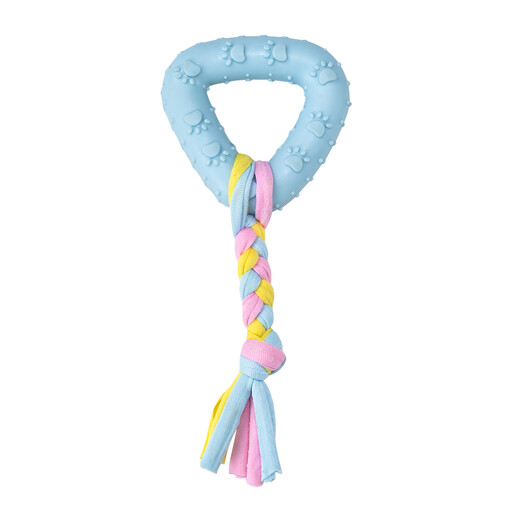
Why This Fits Their Persona: Perfect for puppies or small dogs who are not aggressive chewers. It provides two different textures for sensory exploration and is ideal for interactive tug-of-war, helping to build a bond with a new pet.
It avoids the "overly complicated" trap by offering simple, effective engagement. It also correctly matches materials (softer rope and flexible TPR) to its target audience of puppies and small dogs.
The dual-material design (TPR ring and fabric rope) helps with teething and gentle dental cleaning. It's a versatile first interactive toy.
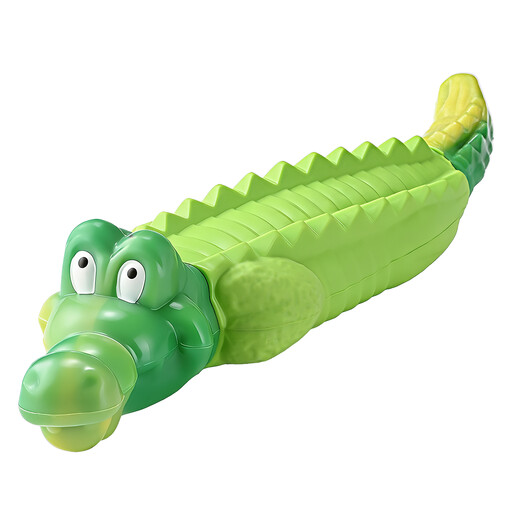
Why This Fits Their Persona: This is for the owner who is tired of replacing shredded toys. It's specifically designed for the strong jaws of medium to large breeds who need a serious outlet for their chewing instincts.
It directly counters the "indestructible" myth by specifying its construction. Instead of a vague promise, it details its nylon core and natural rubber exterior, providing a clear reason for its durability.
The double-layer structure provides a satisfying chew that is built to last. The textured crocodile shape also makes it easy for large dogs to grip during play.
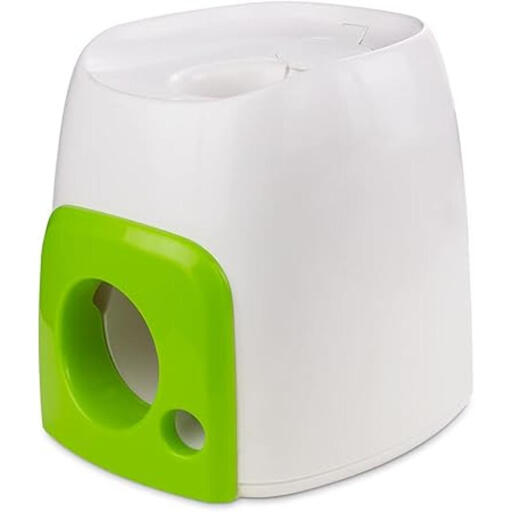
Why This Fits Their Persona: Ideal for intelligent, active dogs that need more than a simple chew toy. It teaches them a sequence—drop the ball to get a treat—which provides a rewarding mental challenge and encourages independent play.
This is a trainable puzzle, not an impossibly complex one. It provides a clear path to success, preventing the frustration that causes dogs to abandon other puzzle toys. It is also not designed to be chewed, avoiding the durability issue.
It combines physical activity (fetch) with problem-solving. The battery-free operation makes it a convenient and reliable tool for long-term enrichment.
We have compiled a complete, real-time list of products that fully satisfy these strict selection criteria and UK safety regulations.
The lifespan of a dog toy depends entirely on its material and your dog's chewing habits. No toy is completely indestructible. The primary goal should be safe engagement. For a powerful chewer, even a durable dog toy may only last a few months, whereas a plush toy might be destroyed in minutes. It is crucial to supervise play, especially with new toys and to inspect them regularly for damage like cracks or loose parts.
They are an excellent choice for most food-motivated dogs as they provide valuable mental stimulation and can help slow down dogs that eat too quickly. However, always use treats that are appropriate for your dog's size and dietary needs. For dogs that are not particularly motivated by food, toys that bounce, squeak or are designed for fetch and tug may prove more engaging.
Cleaning methods vary by material. Hard rubber and TPR toys can typically be washed with warm water and mild soap. Fabric or plush toys may require spot-cleaning or hand-washing. For puzzle toys for dogs with intricate parts, it's vital to remove all food residue to prevent the growth of mould. Always check the manufacturer's care instructions on the label.