
24/7 Customer Support

Free returns

Same-day & Next-day Delivery

Quality Guaranteed

Unlock Your Welcome Offers: FREE Delivery | Up to 80% OFF | Free 30-day JoyPlus trial
Download the APP
Interactive dog toys can make indoor play more purposeful, particularly during wet UK weather, busy workdays or periods when outdoor exercise is limited. However, attractive packaging and claims such as “indestructible”, “calming” or “suitable for every dog” do not always tell you whether a toy matches your pet’s size, bite strength or play style.
The right choice should provide an appropriate challenge without creating avoidable hazards. This guide explains the main buying pitfalls, the specifications worth checking and a selection of products for different households.
Many dog chew toys use terms such as bite-resistant or durable. These describe the material or construction, not a guarantee that the toy will withstand every dog. A powerful chewer may damage a soft plush toy quickly, while a puppy may find a rigid, heavy toy difficult to carry.
Look for clear information about recommended dog size, material and chewing suitability. Toys with exposed seams, loose attachments, cracked rubber or detached squeakers should be removed immediately.
A small ball or chew toy may be easy for a toy breed to carry but unsuitable for a large dog. Conversely, a large product can be awkward for a puppy or small breed. Treat-dispensing dog toys also need an appropriate difficulty level. If food is impossible to access, a dog may lose interest or chew the product aggressively.
Check measurements in centimetres rather than relying only on breed labels. Introduce food puzzles gradually, beginning with accessible treats before increasing the challenge.
Interactive toys can encourage sniffing, chasing, chewing or independent play, but they are not risk-free. Squeaky dog toys contain internal components, electronic toys contain batteries and snuffle mats include fabric, rope or other non-food parts. These should be used with supervision, especially for puppies, dogs that swallow objects or pets using a toy for the first time.
Always follow the product instructions, inspect toys before and after use, and replace them when damaged.
For puppy teething toys, choose a size that can be comfortably carried and a material with some flexibility. Natural rubber and TPR products may offer a textured surface for chewing, while plush toys are more suitable for carrying, fetching and comfort than determined chewing.
For larger dogs, a layered construction can be useful. For example, a nylon core combined with a natural rubber exterior provides a different balance of firmness and grip from a soft fabric toy. No material should be treated as indestructible.
For small animal chew toys, check that the product is made from a clearly stated, pet-appropriate material. The Happy Pet Willow Spiral is described as made from 100% natural willow and is intended for rabbits, guinea pigs, chinchillas and other small pets. It should still be replaced once heavily worn or soiled.
Measure your dog’s mouth and compare this with the product dimensions. A toy should not be so small that it could be swallowed, nor so large that your dog cannot grip or move it naturally.
Examples include:
These measurements are more useful than broad descriptions such as “all breeds”.
Electronic dog toys need additional checks. Confirm whether the product is rechargeable or uses disposable batteries, whether the charging cable must be removed during play and whether the toy is intended for indoor or outdoor use.
Treat-dispensing dog toys should have an opening that is easy to clean. Use dry kibble or suitable treats where instructed, remove leftover food and allow the product to dry fully. Snuffle mats for dogs should be shaken out or vacuumed after use to prevent food debris collecting in folds.
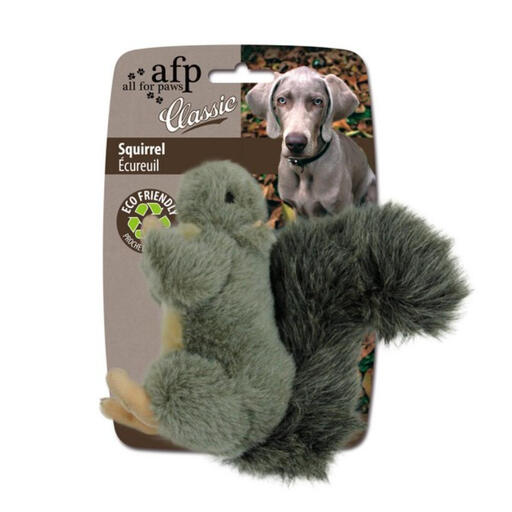
Why This Fits Their Persona: A soft toy for small and medium-sized dogs that supports simple indoor fetch, carrying and owner-led play without batteries or set-up.
Its stated size guidance helps shoppers avoid choosing an oversized toy for a smaller dog. It should not be used as a substitute for a dedicated heavy-chew product.
Soft, non-toxic materials are listed; suitable for tossing, carrying and tug-style interaction under supervision.
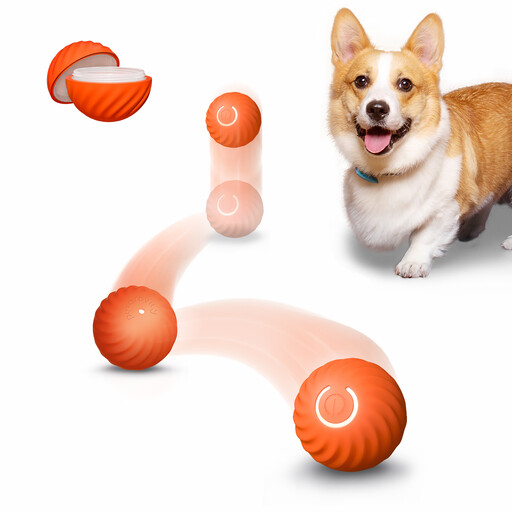
Why This Fits Their Persona: Suitable for owners seeking rechargeable interactive play for a smaller dog, particularly indoors when outdoor exercise is limited by weather.
The product is specifically described for smaller dogs and warns that it is not intended for aggressive chewers, making its limits clearer.
USB-C rechargeable design; two play modes and a removable plush cover are specified.
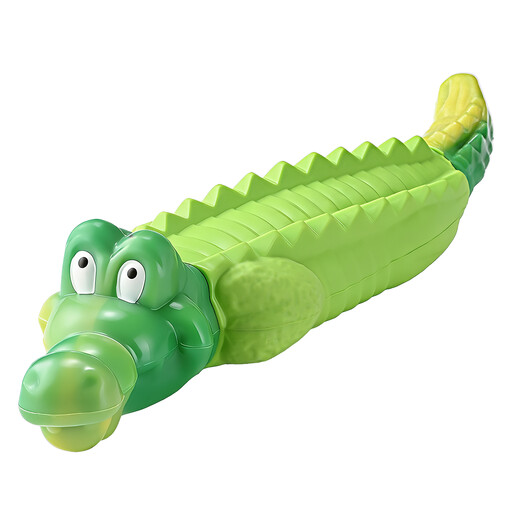
Why This Fits Their Persona: Designed for medium and large dogs that need a larger chew and fetch option for garden, park or indoor play.
Its 24 × 6 cm dimensions and medium-to-large breed guidance reduce the risk of selecting a toy intended for smaller jaws.
Nylon core with natural rubber exterior; textured crocodile shape supports gripping for chewing, tugging and fetch.
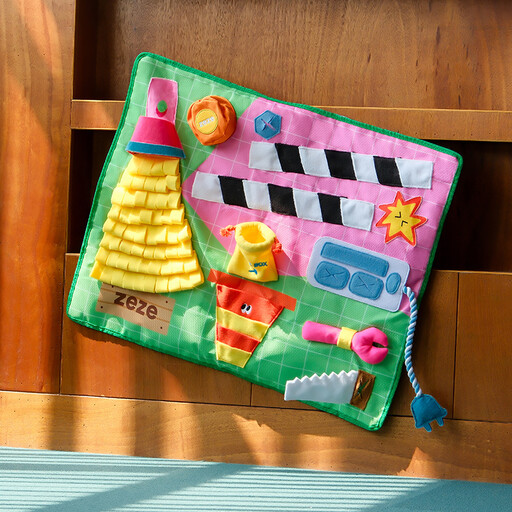
Why This Fits Their Persona: A practical choice for dogs that enjoy sniffing and searching, including households wanting a quieter enrichment activity than squeaky or chase toys.
The 70 × 57 cm size and multiple compartments are stated clearly. Owners can begin with easy-to-find dry food rather than presenting an overly difficult puzzle.
Plush, woven fabric, rope, crinkle paper, polyester fibre and EVA plastic are listed; designed for dry treats or kibble.
We have compiled a complete, real-time list of products that fully satisfy these strict selection criteria and UK safety regulations.
Start with a short, supervised session. For treat-dispensing toys, use a familiar dry treat and leave openings easy to access. Show your dog how the toy works, reward attempts and stop if frustration or destructive chewing begins.
Lifespan depends on the material, frequency of use and your dog’s bite strength. A plush fetch toy may wear sooner than a rubber chew toy, while electronic components can fail independently of the outer casing. Inspect toys regularly rather than relying on a fixed replacement schedule.
Non-electronic options such as snuffle mats, rope toys and manual treat puzzles have no charging cost, although treats add to ongoing use. Rechargeable toys require occasional charging, while products with sealed button-cell batteries may need disposal when the flashing function stops. Check the instructions before purchase and keep batteries and cables away from pets.