
24/7 Customer Support

Free returns

Same-day & Next-day Delivery

Quality Guaranteed

Unlock Your Welcome Offers: FREE Delivery | Up to 80% OFF | Free 30-day JoyPlus trial
Download the APP
Choosing interactive dog toys can seem straightforward until a toy is destroyed within days, ignored after the first play session or found to be unsuitable for your dog’s size. Marketing often focuses on words such as “tough”, “dental” or “smart”, but these descriptions do not replace checking the construction, dimensions and intended use.
This guide from the Joybuy Product Recommendation Officer focuses on practical buying decisions for UK dog owners, including households with limited indoor space, rainy-day exercise needs and dogs with very different chewing habits.
A toy may be made from nylon, rubber or reinforced fabric yet still be unsuitable for a powerful chewer. Seams, squeakers, sound modules and thin edges can become weak points. Even products described as dog toys for aggressive chewers require inspection and supervision.
Treat durability as a match between the toy and your dog’s behaviour, not as a permanent guarantee. A gentle puppy and a dog that routinely destroys toys need different materials and designs.
Ridges, nubs and textured surfaces may make a toy more interesting to chew and can help remove dirt from the tooth surface during use. However, dental chew toys for dogs should not be presented as a substitute for brushing, suitable professional advice or routine veterinary care.
Also check whether the product is edible, partly edible or entirely non-food. Some chew toys contain a snack centre, while others are made only from rubber, nylon, fabric or plastic.
Squeaky dog toys, rattling toys and self-moving balls can encourage chasing and exploration, but they may be distracting in a flat or unsuitable for dogs that fixate on sound. Electronic products also need charging and should not be used by dogs that chew through exposed components.
Consider when and where the toy will be used. A quiet rubber chew may be more practical overnight, while a squeaky or moving toy may suit supervised daytime play.
Compare the toy’s dimensions with your dog’s mouth, jaw strength and usual play behaviour. Small toys can present a swallowing risk for larger dogs, while oversized toys may be difficult for small dogs to grip.
Look for clear measurements, such as 23 x 23 x 3.5 cm, 15 x 8 x 3 cm or an 18 cm diameter. Product descriptions may recommend toys for small, medium or large breeds, but your dog’s individual behaviour matters as much as breed category.
Common materials include:
For puppy teething toys, choose a manageable size and supervise closely. A softer or more flexible design may be preferable to a very hard toy, depending on the puppy’s chewing style.
Match the toy to the type of engagement you want:
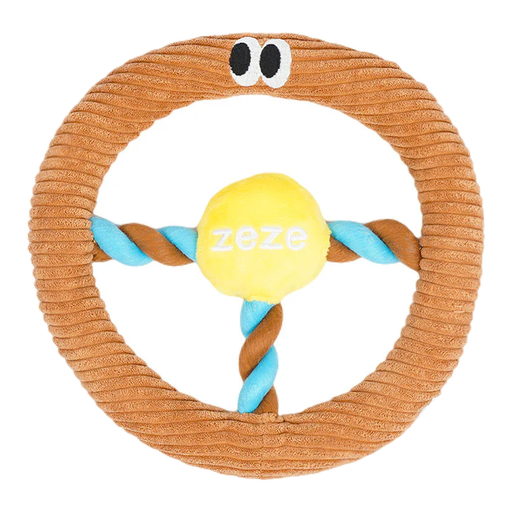
Why This Fits Their Persona: A compact option for owners seeking one toy for short indoor play sessions, chewing and sound-led engagement in a UK home.
The listing gives a 23 x 23 x 3.5 cm size, materials and a clear warning to remove the toy if damaged or if the sound module is exposed.
Steering-wheel shape, built-in beep sound, rope and textured sections for varied interaction.
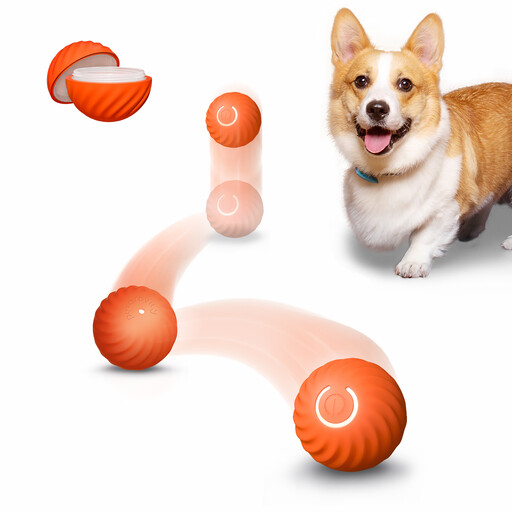
Why This Fits Their Persona: Designed for small dogs that enjoy chasing movement, with rechargeable convenience for repeated indoor or supervised outdoor use.
It states the 56 mm size, two play modes and a rechargeable battery, while clearly excluding aggressive chewers.
Random bounce movement, removable plush cover and USB-C charging.
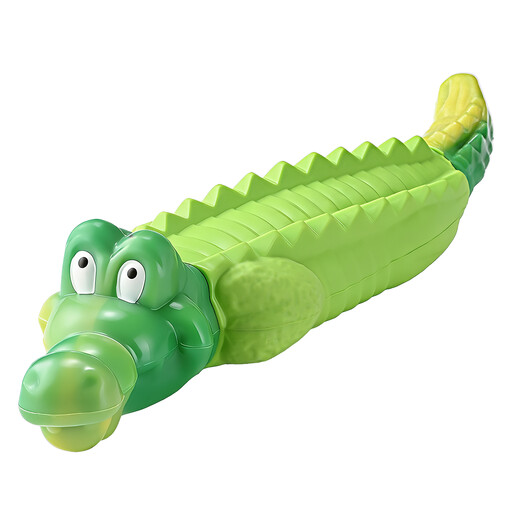
Why This Fits Their Persona: A larger option for medium and large dogs that need supervised chewing, fetch training and outdoor interaction.
The listing specifies a 24 x 6 cm size and identifies the product as unsuitable for small dogs, reducing guesswork when choosing dimensions.
Natural rubber exterior, nylon core, textured crocodile shape and suitability for fetch or tugging interaction.
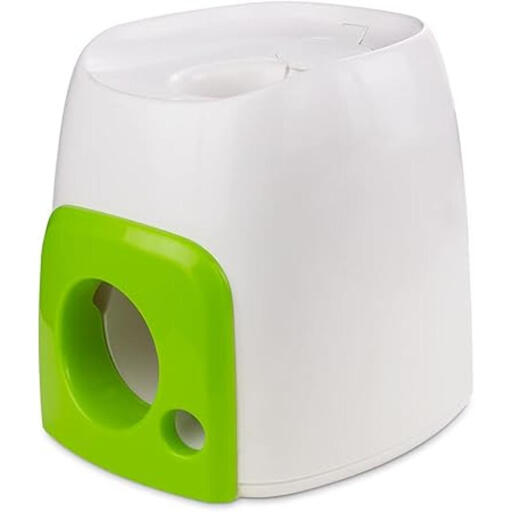
Why This Fits Their Persona: Suitable for owners who want structured indoor activity combining fetching, sniffing and treat-based play on wet UK days.
Its operation is clearly described: place the included tennis ball in the opening, then add suitable treats to the compartments.
Battery-free operation, treat-hiding areas and a fetch-and-reward format.
We have compiled a complete, real-time list of products that fully satisfy these strict selection criteria and UK safety regulations.
Before buying or introducing any toy:
A tug toy should be used for controlled interaction rather than forceful pulling, and products marked “not a chew toy” should not be left for independent chewing. For dogs with particularly strong chewing habits, select a size and material designed for their category, but continue to monitor wear.
There is no fixed lifespan. It depends on the material, frequency of use, bite strength and whether the toy is used for chewing, tugging or fetching. A fabric squeaky toy may wear differently from a rubber or nylon chew. Replace any toy as soon as damage creates loose or swallowable parts.
Many are, but suitability depends on size, texture and supervision. Choose clearly labelled puppy teething toys or small-dog options where appropriate. Avoid allowing a puppy to chew an electronic toy, hard damaged surface or partly edible toy without close observation.
Battery-free treat and fetch toys have no charging cost. USB-C smart toys require occasional charging, with running cost depending on the battery capacity, charger and charging frequency. For simple daily engagement, rotating rubber, rope and treat-dispensing toys can avoid relying on powered products.