
24/7 Customer Support

Free returns

Same-day & Next-day Delivery

Quality Guaranteed
Download the APP
Categories
Choosing the right toy for a young child can feel like a significant task. In a market filled with bright colours and bold claims, parents and gift-givers often look for something that will not only entertain but also support a child's development. The goal is to find engaging interactive learning toys that spark curiosity and make learning a natural part of playtime.
As a Joybuy Product Recommendation Officer, my role is to help you navigate these choices. This guide offers practical advice and highlights a few standout options to help you find a toy that is both fun and beneficial for the little one in your life.
Before diving into specific products, here are a few key points to consider during your search. Keeping these in mind will help you select a toy that is safe, suitable and genuinely engaging.
A toy's effectiveness is closely tied to the child's developmental stage. For infants, developmental toys for babies that stimulate the senses—with varied textures, sounds and simple lights—are ideal. As they grow into toddlers, look for educational toys for toddlers that encourage problem-solving and help develop toys for fine motor skills, such as stacking blocks or shape sorters. For older children approaching school age, electronic learning toys that introduce letters, numbers and more complex sequences can support preschool learning activities. Always check the manufacturer's age guidance, as it is based on both developmental suitability and safety.
In the UK, reputable toys should carry a UKCA or CE mark, indicating they meet required safety standards. Look for toys made from durable, non-toxic materials that can withstand enthusiastic play. Check for small parts that could pose a choking hazard for children under three, and ensure any battery compartments are securely fastened. A well-made toy is a safer toy and offers better long-term value.
The most successful learning toys are those that children genuinely enjoy playing with. Features like music, responsive lights and engaging characters capture a child's attention and encourage them to explore. Musical toys for kids, for example, can introduce rhythm and melody while also teaching cause and effect. The aim is for learning to feel like a happy discovery, not a structured lesson.
Here are a few interactive learning toys that balance engaging play with developmental features.
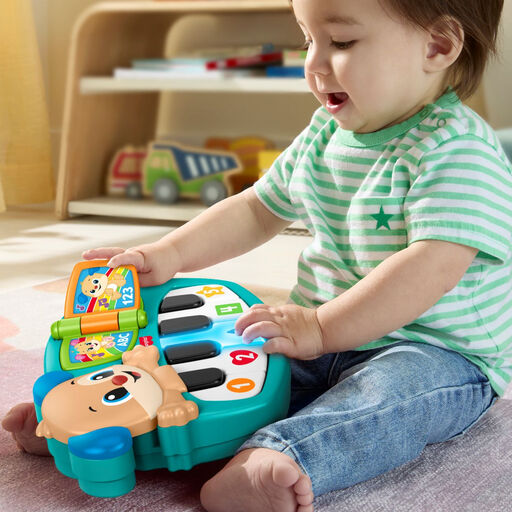
Why It Stands Out This compact musical toy is an excellent introduction to interactive play for the youngest learners. It combines a friendly character with a simple, responsive piano, making it easy for babies to create their own fun while being introduced to basic concepts.
Pros
Who is it for? This piano is ideal for babies and young toddlers from 6 months onwards. It is a great choice for parents looking for a first musical toy that supports sensory development and introduces cause and effect.
View Details for Fisher-Price Puppy's Piano
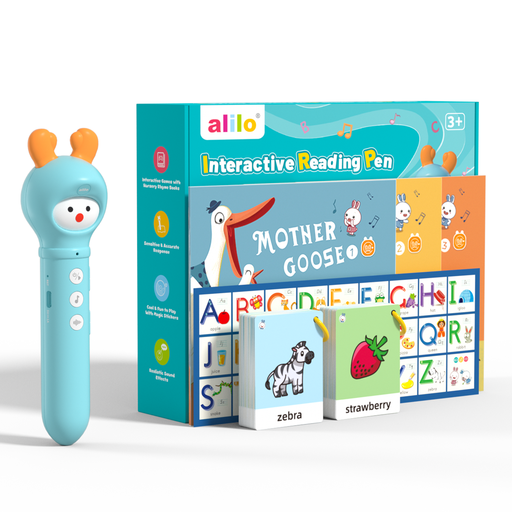
Why It Stands Out This comprehensive set offers a screen-free way to introduce early literacy and independent learning. The talking pen brings books and flashcards to life, and the unique recording function allows parents to add a personal touch to stories and objects around the home.
Pros
Who is it for? This set is designed for toddlers and preschoolers aged 3 to 6 years. It is an excellent option for families wanting to encourage reading and language skills through interactive, self-guided play.
View Details for alilo Talking Pen Set
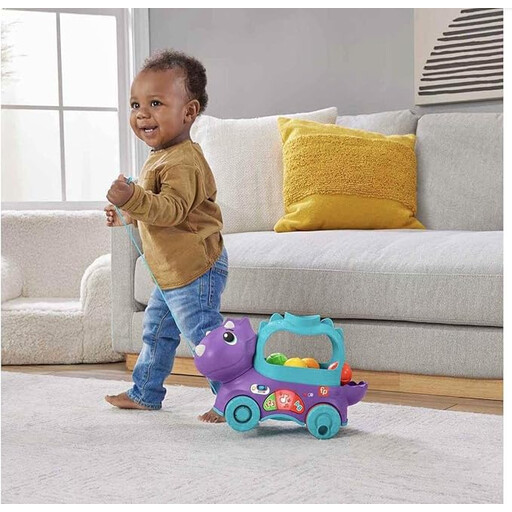
Why It Stands Out This pull-along dinosaur encourages active play by rewarding movement with exciting ball-popping action, lights and sounds. It effectively combines the development of gross motor skills with age-appropriate learning content.
Pros
Who is it for? This is a fantastic choice for active toddlers aged 12 to 36 months, especially those who are just starting to walk. It makes a wonderful toddler gift that supports both physical and cognitive development.
View Details for Fisher-Price Poppin' Dino
Every child is unique, and the perfect toy depends on their individual interests and developmental needs. If these recommendations aren't quite what you're looking for, there are many other wonderful options available.
Explore our full range of Baby Developmental Toys to find the perfect match.
1. What are the main benefits of interactive learning toys? Interactive learning toys are designed to stimulate a child's development in several areas. They can help improve cognitive skills like problem-solving and memory, enhance fine and gross motor skills through physical manipulation and support language development by introducing new words and sounds. Most importantly, they make learning feel like play, which fosters a positive attitude towards discovery.
2. At what age should I introduce electronic learning toys? Simple electronic toys with basic cause-and-effect features (like pressing a button to hear a sound) can be introduced to babies around 6-9 months. More advanced electronic learning toys that teach letters, numbers, or phonics are generally best for toddlers and preschoolers (2 years and up) who can better understand the concepts. It is always a good idea to balance electronic toy time with other forms of play, like building blocks, reading books and outdoor activities.
3. How can I be sure a toy is safe for my child? In the UK, always look for the UKCA (or CE) mark on the toy or its packaging, as this shows it has been tested to meet legal safety standards. Read the age recommendation carefully, as it often relates to safety aspects like small parts. Regularly inspect toys for any signs of wear and tear, such as loose parts or cracked plastic, and choose toys made from durable, non-toxic materials.