
24/7 Customer Support

Free returns

Same-day & Next-day Delivery

Quality Guaranteed

Unlock Your Welcome Offers: FREE Delivery | Up to 80% OFF | Free 30-day JoyPlus trial
Download the APP
Interactive pet toys can make daily routines more interesting for dogs, cats, rabbits and other small animals. However, a toy that looks engaging online may be difficult to clean, unsuitable for your pet’s size or quickly ignored once the novelty fades.
This guide from the Joybuy Product Recommendation Officer focuses on the practical details that matter before you buy, from treat capacity and material choice to supervision and running costs.
A large, fast-moving toy may be inappropriate for a small dog, nervous cat or pet with limited space. Equally, a soft snuffle toy may not withstand a dog that chews fabric. Check the recommended species, breed or size guidance, as well as the product’s dimensions.
For example, a self-moving dog ball measuring around 95 mm may suit medium and large dogs better than small breeds. A 70 x 57 cm snuffle mat may also need sufficient floor space for comfortable use.
Interactive dog toys and interactive cat toys still require inspection and sensible supervision. A toy containing fabric, rope, crinkle paper, plastic parts or small attachments can become unsafe if torn or chewed.
Remove damaged toys promptly, particularly if your pet can detach pieces. Treat-dispensing products also need regular cleaning to prevent food residue becoming stale or mouldy.
Some products need hand washing, vacuuming or wiping after every few sessions. Others use rechargeable batteries or proprietary attachments. A low purchase price can become less attractive if replacement parts are difficult to source or the toy cannot be cleaned properly.
Before ordering, look for clear instructions covering storage, cleaning, charging and when to replace the item.
Choose materials according to your pet’s habits:
Product descriptions should identify materials and provide warnings. Do not assume that “natural” automatically means suitable for every animal.
Puzzle toys should offer a challenge without causing frustration. Start with easily accessible kibble or dry treats, then increase difficulty gradually. A slow-feeder ball or snuffle mat can make food last longer, but measure treats as part of your pet’s daily allowance.
Look for adjustable openings, folds or compartments if you want the toy to grow with your dog’s ability. Always use dry, non-perishable food in fabric foraging toys unless the manufacturer gives different instructions.
For electronic toys, check:
A motorised toy can support active play while you are occupied, but it should not be presented as a replacement for walks, interaction or supervision.
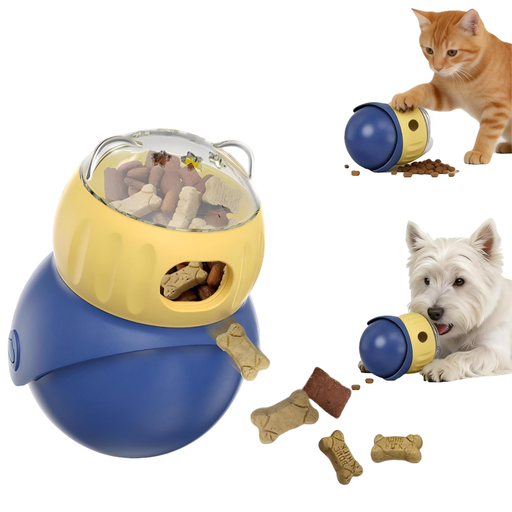
Why This Fits Their Persona: A practical starting point for small and medium-sized dogs that enjoy working for dry food during indoor play.
Its adjustable treat dispenser lets owners control access rather than relying only on novelty or speed.
Combines a slow-feeder format with treat dispensing and is listed for small and medium-sized dogs.
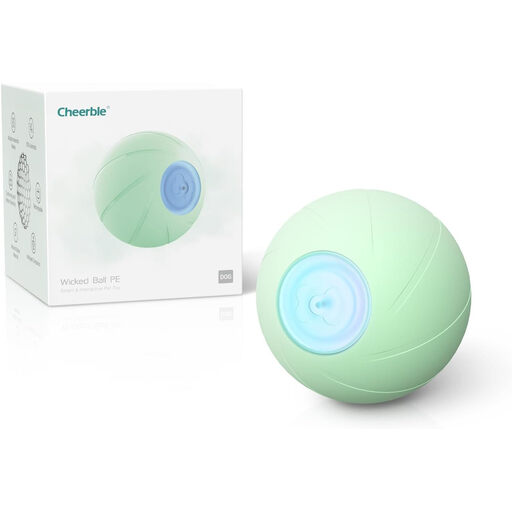
Why This Fits Their Persona: A rechargeable electronic option for owners seeking hands-free movement and multiple play settings for medium and large dogs.
It states its play modes, charging system and approximate 90-minute play time, making ongoing use easier to plan.
Three play modes, LED lights, infrared obstacle sensors and a rechargeable battery.
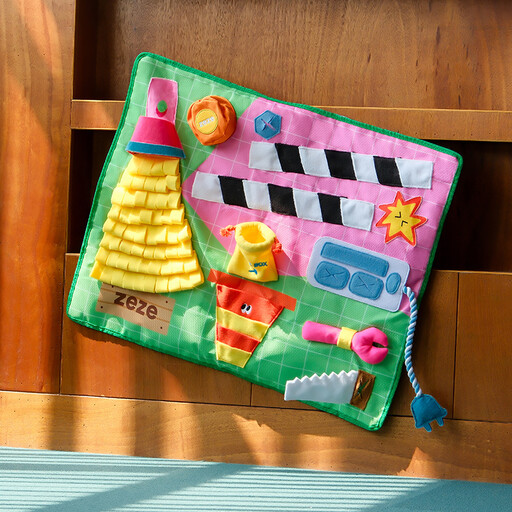
Why This Fits Their Persona: Suitable for dog owners who want a larger, food-based activity for rainy-day enrichment or calmer indoor sessions.
The instructions specify dry treats, supervision and regular inspection, helping owners manage hygiene and wear.
Measures 70 x 57 cm and includes compartments, folds, plush fabric, woven fabric, rope and crinkle paper.
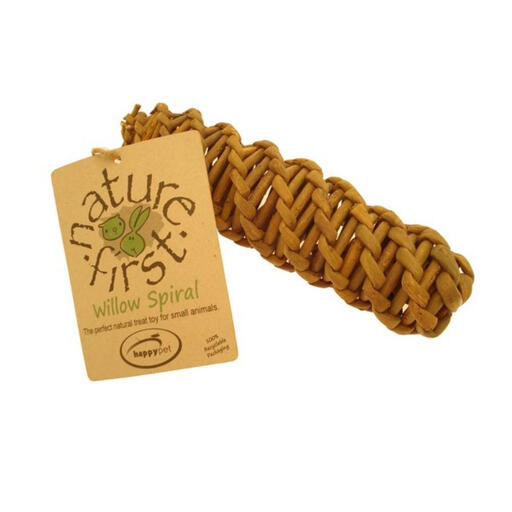
Why This Fits Their Persona: A simple choice for rabbit, guinea pig, chinchilla and other small-pet owners seeking chewing and nibbling enrichment.
It is clearly described as a chew toy rather than an unsuitable dog puzzle toy, with replacement guidance when worn or soiled.
Made from 100% natural willow and supplied in a 19 cm spiral form for chewing and interaction.
We have compiled a complete, real-time list of products that fully satisfy these strict selection criteria and UK safety regulations.
Introduce a new toy for short sessions and observe how your pet interacts with it. Place food-based toys on a washable surface, especially when using snuffle mats or treat-dispensing dog toys. Keep portions within the pet’s normal daily food allowance.
For cats, cat teaser toys should be moved in a way that allows stalking, chasing and catching rather than constant frustration. The remote companion module listed above is designed for use with the ROLA PetPal cat camera and is not a standalone toy. Check compatibility before purchasing.
For dogs, rotate boredom-busting pet toys instead of leaving every item available at once. This can maintain interest while allowing you to inspect, clean and store each toy properly.
Some automated toys can provide activity for short periods, but they are not a substitute for supervision or human care. Remove toys containing detachable parts before leaving a pet unattended, and follow the manufacturer’s warnings.
Clean food-contact toys according to their instructions and remove leftover food after use. Inspect fabric, rope, plastic and natural materials regularly. Replace any item that is torn, cracked, excessively worn or soiled.
Non-electronic options such as snuffle mats, puzzle toys and willow chews have no charging cost. Rechargeable products require electricity and may have replaceable attachments or a battery service life to consider. Compare the full ownership cost, not only the shelf price.