
24/7 Customer Support

Free returns

Same-day & Next-day Delivery

Quality Guaranteed

Unlock Your Welcome Offers: FREE Delivery | Up to 80% OFF | Free 30-day JoyPlus trial
Download the APP
Bringing a touch of green into our homes and offices is a welcome trend, but keeping plants alive amidst a busy schedule can be a challenge. The promise of an interactive smart plant pot—a device that cares for your plant and even communicates its needs—is incredibly appealing. However, the market is filled with gadgets that over-promise and under-deliver. Many end up as expensive, non-functional décor after just a few months.
As the Joybuy Product Recommendation Officer, my role is to help you see past the marketing clutter. Before you invest in a high-tech home for your plant, let's look at the common pitfalls that can lead to disappointment and a wilting plant.
AI plant pot or robot planter should offer more nuanced feedback, interpreting data from its sensors to give you a clearer picture of your plant's environment and condition.To ensure you get a device that genuinely helps with plant care for busy people, focus on these core parameters. They separate the helpful gadgets from the decorative paperweights.
A capable smart planter with sensors is the foundation of automated plant care. Don't settle for a single-function device. Look for a multi-sensor system that monitors:
office desk plant décor.The term "interactive" is often misused. A truly interactive smart plant pot does more than just send a notification to your phone. It uses its data to provide engaging, intuitive feedback. This could be through a screen displaying different facial expressions to show "thirst," "happiness" or "needs more light." This level of interaction turns plant care from a chore into an engaging experience, making it an ideal tech gift for plant lovers. An intelligent flower pot should feel like a companion, not just another appliance.
Consider the practicalities of daily use.
Instead of a one-size-fits-all approach, we've matched a few options to different needs and lifestyles.
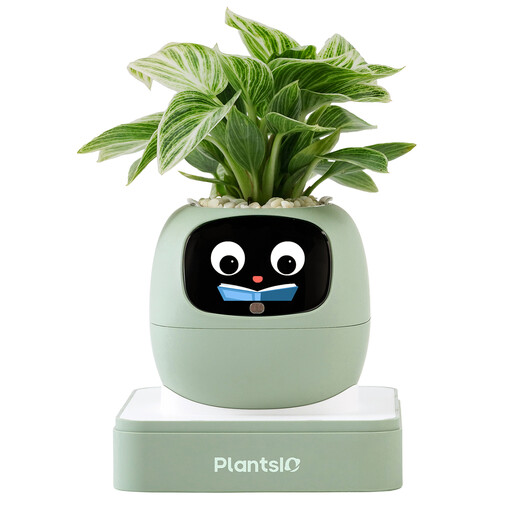
Why This Fits Their Persona: Perfect for the busy professional who loves unique gadgets. It transforms plant care into an engaging, low-effort experience, making it an ideal piece of interactive office desk décor that takes the guesswork out of watering and placement.
It features a comprehensive sensor suite (humidity, water and light) and uses over 80 animated expressions to communicate the plant's needs, moving far beyond a simple blinking light.
Its main advantage is the anthropomorphic interaction, which makes plant ownership more fun and intuitive. The 2000mAh battery provides a decent operational time between charges.
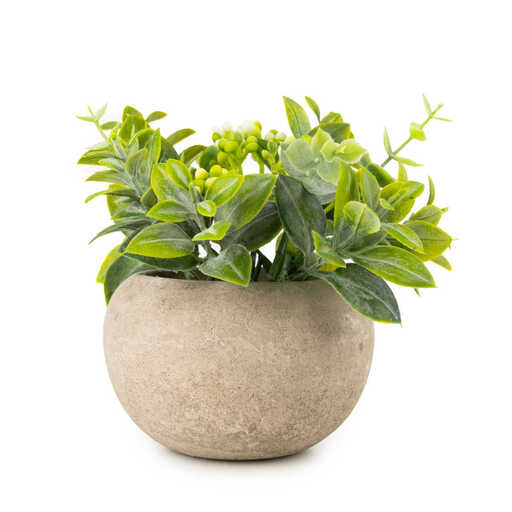
Why This Fits Their Persona: For those who love the aesthetic of greenery but have zero time or inclination for plant care. This provides the visual benefit without any of the responsibility, making it a foolproof decorative accent for a bookshelf or desk.
It completely sidesteps the pitfalls of smart pot technology by removing the living plant from the equation. There is no risk of malfunction, root rot or dead plants.
It offers a permanent, zero-maintenance green look. The compact size and stylish stone-effect pot complement a wide range of modern interior styles.

Why This Fits Their Persona: For someone who enjoys the hands-on process of plant care but lives in a flat or has limited space. This stand provides an organised, space-efficient way to build a small indoor garden without relying on automation.
This is a non-tech solution. It avoids the risk of electronic failure and empowers the user to learn and apply proper plant care techniques manually across multiple plants.
Its 4-tier vertical design makes efficient use of floor space, perfect for balconies or small living rooms. The powder-coated steel is durable for both indoor and outdoor use.
We have compiled a complete, real-time list of products that fully satisfy these strict selection criteria and UK safety regulations.
Most smart pots are designed for common small-to-medium-sized houseplants like succulents, herbs, spider plants or pothos. They are generally not suitable for large plants with extensive root systems or plants with very specific needs, such as orchids, which require a special potting medium and watering cycle. Always check the pot's dimensions and recommended plant types before purchasing.
Battery life varies significantly based on the model and its features. A device like the Ivy AI Smart Pot, with a 2000mAh battery, might last for several days of typical use before needing a recharge via its USB port. Models with fewer interactive features or less frequent sensor readings may last longer. It's a key specification to check, as frequent charging defeats the purpose of a low-maintenance device.
For a complete beginner, an intelligent pot can be a valuable learning tool. The interactive feedback can help you understand a plant's needs for water and light more intuitively than by just reading a care guide. It can build confidence and prevent the common beginner mistake of overwatering. However, it's important to choose a model with reliable sensors and genuine feedback to ensure you're getting helpful guidance, not just gimmicks.