
24/7 Customer Support

Free returns

Same-day & Next-day Delivery

Quality Guaranteed

Unlock Your Welcome Offers: FREE Delivery | Up to 80% OFF | Free 30-day JoyPlus trial
Download the APP
Navigating the rules and options for home fire safety can feel complicated. With changing legislation and a wide array of devices on the market, choosing the right alarm system is a significant decision for any homeowner or landlord. The goal is simple: to ensure your property is protected and compliant, giving you and your family peace of mind without unnecessary complexity or cost.
This guide is designed to cut through the clutter. We will walk you through the essential considerations for selecting a modern alarm system, explain the different types of alarms available and provide some practical recommendations to help you make an informed choice for your home.
Before selecting a system, it’s helpful to understand a few key factors that will influence your decision. These points are based on current UK standards and practical home safety needs.
In recent years, safety standards have been updated across the UK. The Scottish fire alarm legislation, which came into effect in 2022, is particularly important to understand. It mandates that all homes in Scotland must have an interlinked system of alarms. This means if one alarm is triggered, they all sound, providing an earlier warning no matter where you are in the house. The standard requires:
While the law is different in England, Wales and Northern Ireland (where requirements often apply to new builds and rented properties), installing interlinked smoke alarms is widely considered a higher standard of safety for any home.
Not all alarms are the same. Using the right type in the right location is crucial for effective protection and to avoid nuisance alerts.
Modern alarms come with features that make them more reliable and easier to manage.
Here are a few recommendations that meet the criteria for compliance, reliability and ease of use.

Why It Stands Out: This bundle is a complete, straight out of the box solution. It includes two smoke alarms and one heat alarm that are pre-linked, removing any technical setup. The sealed 10-year battery in each unit means you can install them and have confidence in their performance for a full decade.
Pros:
Who is it for? This is an excellent starting point for homeowners and landlords in Scotland, or anyone in the UK wanting to install a fully compliant, interlinked system with minimal fuss.
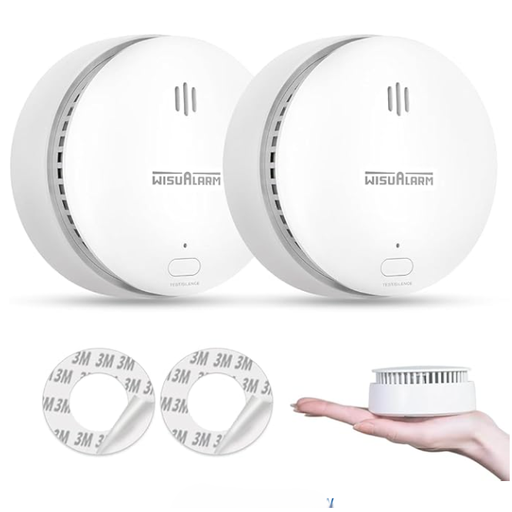
Why It Stands Out: These standalone smoke alarms offer long-term reliability thanks to their included 10-year batteries. They are EN14604 certified, ensuring they meet high safety and performance standards. The large test/silence button is a practical feature for easy maintenance checks and for silencing nuisance alarms.
Pros:
Who is it for? Ideal for those who need to add or replace individual smoke alarms in bedrooms or hallways, or for properties where interlinking is not a mandatory requirement.
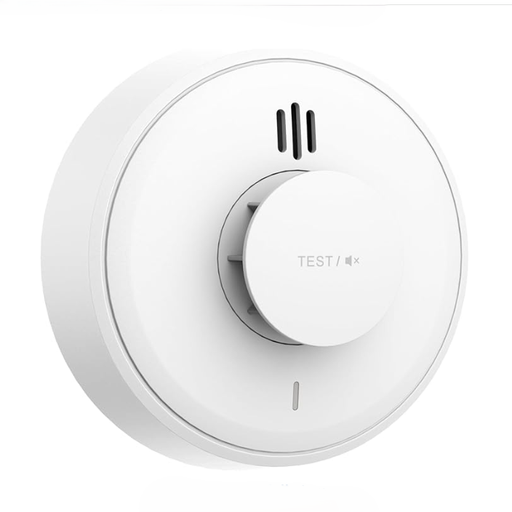
Why It Stands Out: This standalone kitchen heat alarm is specifically designed for areas prone to fumes and steam. It detects dangerous temperature rises (54°C to 65°C) rather than smoke, significantly reducing false alarms. Like the other units, it features a sealed 10-year battery.
Pros:
Who is it for? An essential addition to any home safety system, particularly for anyone who has experienced frustrating false alarms from a smoke detector in the kitchen.
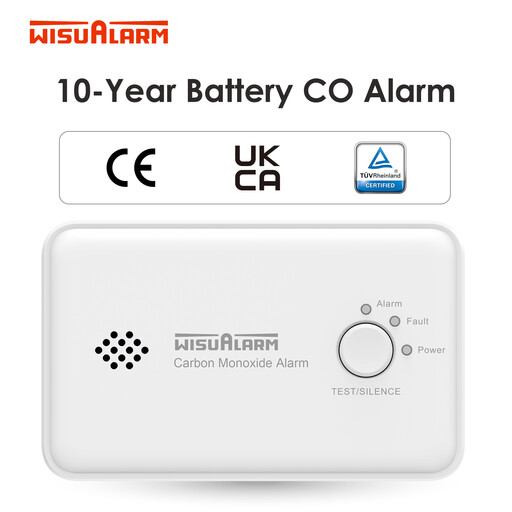
Why It Stands Out: This detector provides focused protection against carbon monoxide. It uses an electrochemical sensor for accurate CO detection and is certified to the EN 50291 standard. The 10-year battery and clear LED indicators (power, fault, alarm) make it a reliable and low-maintenance device.
Pros:
Who is it for? Essential for any household with fuel-burning appliances like boilers, gas cookers, or fireplaces. It is a critical safety device that complements a fire alarm system.
If you are looking for replacement batteries for an existing system or other specific alarm components, you can find a wider selection to suit your needs.
Explore our full range of Fire Alarm Batteries and accessories to keep your home protected.
1. Do I need interlinked smoke alarms in England? In England, the law primarily requires interlinked alarms in new-build properties and larger Houses in Multiple Occupation (HMOs). For most existing owner-occupied homes, it is not a legal requirement. However, it is considered a much higher standard of safety, as an alert in one part of the house will trigger all alarms simultaneously.
2. How many smoke alarms do I need for my home? The general guidance is to have at least one smoke alarm on every level of your home, typically in hallways and on landings. For enhanced protection, it is also recommended to have them in the main living area. A heat alarm should be placed in the kitchen. Always check your local council's specific guidance.
3. What is the difference between a smoke alarm and a heat alarm? A smoke alarm detects particles of smoke in the air and is best for living areas, hallways and bedrooms. A heat alarm detects a rapid rise in temperature to a set point and is designed for kitchens and garages, where normal cooking fumes or dust could trigger a false alarm from a smoke detector. They serve different purposes and should be used in the appropriate locations.