
24/7 Customer Support

Free returns

Same-day & Next-day Delivery

Quality Guaranteed

Unlock Your Welcome Offers: FREE Delivery | Up to 80% OFF | Free 30-day JoyPlus trial
Download the APP
Finding enjoyable international biscuits and cookies in the UK is easier than ever, but attractive packaging can make comparison difficult. A colourful box may not tell you where the biscuits were made, how much filling is included or whether the pack suits a lunchbox, afternoon tea or a party table.
This guide cuts through common shopping traps and highlights practical details worth checking before you buy, from allergens and country of origin to texture, pack size and storage.
A family pack may appear economical, but the total weight is more useful than the front-of-pack size. Compare price per 100g where available and consider how quickly the biscuits will be eaten after opening. A smaller pack may be more suitable for an office drawer or individual snack, while a 388g pack can make sense for sharing.
Descriptions such as “birthday cake”, “peach oolong” or “strawberry” can refer to a cream filling, flavouring or small quantity of fruit powder rather than fresh fruit. Read the ingredient list and check the quantitative ingredient declaration (QUID) where provided. For example, one strawberry product lists strawberry powder, while another includes strawberry pieces at 1%.
International snacks can have different recipes from familiar UK versions. Always check the current packaging for wheat, milk, egg, soya, nuts, sesame and sulphites, as well as possible cross-contamination statements. Country of origin also varies: products in this selection are made in places including China, Japan, Malaysia, India and Thailand.
Use the biscuit format to narrow your choice:
Match the size to the occasion:
Nutrition information is normally shown per 100g, allowing a fair comparison between products. The listed values in this selection range from approximately 442 to 530 kcal per 100g, depending on the recipe. This is not a recommendation to avoid any particular item, but it is useful when comparing sweet snack biscuits.
Also check:
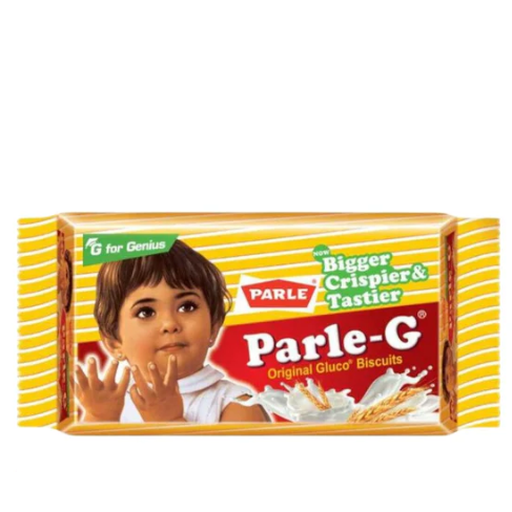
Why This Fits Their Persona: A compact Indian biscuit pack for shoppers who want a straightforward, tea-friendly snack without committing to a large quantity.
The 79.9g format makes it easier to try an Indian biscuit before choosing a larger family pack. The label identifies wheat, milk and soya allergens.
Made in India; listed as ready to eat and suitable for pairing with tea, coffee or milk.
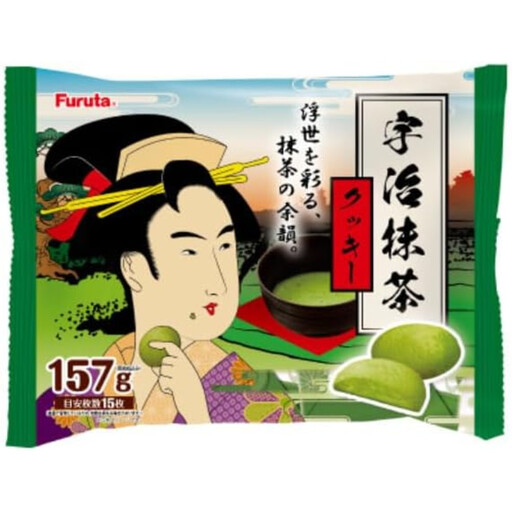
Why This Fits Their Persona: A Japanese biscuit option for adults who enjoy green tea flavours, individually wrapped portions and a more distinctive afternoon-tea pairing.
The product description specifies Uji matcha and a crisp texture, helping shoppers distinguish the flavour profile from generic green-coloured biscuits.
Product of Japan; 157g pack with individually wrapped pieces and a listed matcha ingredient.
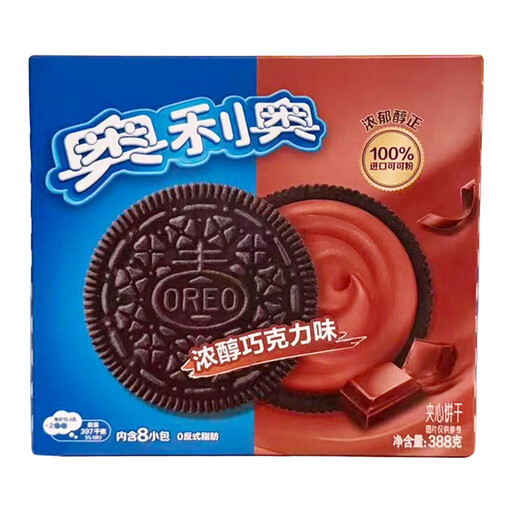
Why This Fits Their Persona: Designed for households, film nights, birthday tables and regular tea-time sharing where a small packet may run out quickly.
The 388g net weight is clearly stated, so the larger format is not mistaken for a visually oversized but low-quantity pack.
Family-size format; chocolate-flavoured sandwich biscuits with 6% cocoa powder listed in the product information.
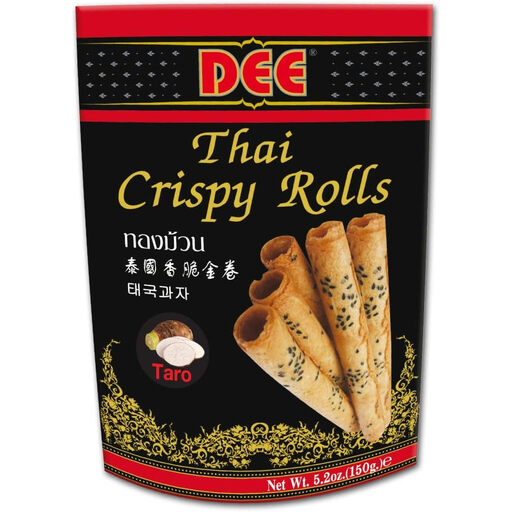
Why This Fits Their Persona: A Thai snack for shoppers who want to move beyond conventional cookies and try a crisp, airy format with coconut, tapioca, rice flour and taro.
The ingredient percentages identify coconut milk, tapioca starch and rice flour, giving a clearer picture of the texture than the flavour name alone.
150g sharing pack; made with 31% coconut milk and 23% tapioca starch according to the listed ingredients.
We have compiled a complete, real-time list of products that fully satisfy these strict selection criteria and UK safety regulations.
For familiar choices, consider Oreo cookies, including original vanilla-filled, strawberry, birthday cake and peach oolong varieties. For gifting or a themed party, birthday cake cookies and colourful filled biscuits can add visual interest, but check the relevant colour and allergen information.
For a mixed snack table, combine sweet and savoury profiles: coconut cookies, Ovaltine malt biscuits, Indian biscuits such as Parle G, Japanese matcha cookies and Chinese round biscuits. This gives guests different levels of sweetness, crunch and filling.
Products sold to UK consumers should have appropriate product information, but recipes and labelling can vary by origin. Check the packaging for the ingredient list, allergen declaration, net weight, storage instructions and best-before date before eating. Do not consume products with damaged or tampered packaging.
Store unopened biscuits in a cool, dry place away from direct sunlight and heat. Once opened, reseal the packet or use an airtight container. This is particularly important for thin biscuits, coconut cookies and crisp Thai snacks, which can soften when exposed to humidity.
A 150g–200g pack usually offers more flexibility for a small gathering, while a family pack such as 388g is more suitable for larger households or parties. For individual lunchbox or office use, a 37g–100g pack can reduce leftovers and help maintain freshness after opening. Always check allergens before serving other people.