
24/7 Customer Support

Free returns

Same-day & Next-day Delivery

Quality Guaranteed

Unlock Your Welcome Offers: FREE Delivery | Up to 80% OFF | Free 30-day JoyPlus trial
Download the APP
Stocking international condiments and preserves can make everyday meals more varied, but jars and bottles are not always as interchangeable as they appear. A chilli paste, pickle or fruit conserve may look good on the shelf yet be unsuitable for your recipe, dietary needs or storage space.
This guide focuses on the details that matter when choosing Asian condiments, Korean cooking ingredients, Mediterranean preserves, Middle Eastern dips and familiar British pantry staples.
Words such as “traditional”, “rich” or “authentic” do not tell you how hot, salty, sweet or sour a product will be. For example, Thai chilli paste may contain shrimp paste, while pickled vegetables can contain a substantial amount of salt.
Check the ingredient list, allergen declaration and nutrition panel before buying. This is particularly important for products containing sesame, mustard, celery, barley, soy or crustaceans.
A jar’s net weight includes brine, oil or preserving liquid. The usable amount can therefore be lower than the headline figure. J-BASKET Sushi Ginger Pink, for example, is supplied in a 340g jar with a 200g drained weight. Similarly, Old El Paso Sliced Green Jalapeños has a 215g net quantity and 115g drained weight.
If you are comparing prices, use the drained weight for pickled vegetables, gherkins, olives and other ingredients sold in liquid.
Some pantry staples can be stored at room temperature before opening but need refrigeration afterwards. Houmous, preserves and open jars of pickles may also have different recommended use-by periods.
Read the label rather than assuming that vinegar or sugar makes a product shelf-stable indefinitely. Look for a sealed lid, an intact safety button where applicable and a clearly printed best-before date.
The 14 major allergens must be clearly declared when present in a packaged food sold in the UK. Always read the current label, especially when buying imported or Asian condiments.
Mae Pranom Thai Chilli Paste contains shrimp, while Haepyo Starch Syrup contains barley and may contain traces of wheat and soy. Houmous commonly contains sesame through tahini, and some chutneys may contain traces of nuts. These details matter for family meals, vegetarian diets and anyone managing an allergy.
Pickling and preserving often involve salt, sugar, vinegar or oil. Compare the per 100g figures and consider how much you will actually use.
For instance, Chang Pickled Sour Mustard contains 1.2g of salt per 100g drained, while KARYATIS Spanish Green Pitted Olives contain 3.0g. Fruit preserves are also concentrated: Bonne Maman Apricot Conserve lists 60g of total sugar per 100g, while Robertson’s Golden Shred lists 63g per 100g.
These figures do not make a product unsuitable, but they help you choose portions and balance a meal with less heavily seasoned ingredients.
The format should match the way you cook. Whole gherkins are useful for chopping into burgers or serving beside sandwiches, whereas sliced jalapeños are ready to scatter over nachos and tacos. A smooth starch syrup is suited to glazing and binding, while shredded pickled cabbage can go directly into soups, stir-fries, fillings and hot pots.
Also check whether a product is ready to eat or requires cooking. Mae Pranom Thai Chilli Paste is intended to be fried in oil until fragrant before other ingredients are added. By contrast, sushi ginger, houmous, olives and many pickles can be served directly.

Why This Fits Their Persona: A familiar fruit preserve for toast, porridge, baking and quick snacks, making it a straightforward starting point for a UK cupboard.
The product information states the fruit quantity and total sugar content, so shoppers can assess it beyond general flavour wording.
370g jar; no listed allergens; suitable for spreading and baking; refrigerate after opening.
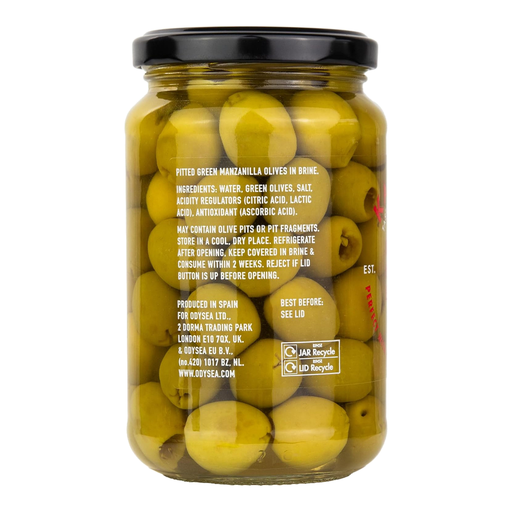
Why This Fits Their Persona: A convenient Mediterranean ingredient for salads, pasta, pizza, cheese boards and casual entertaining.
It is clearly described as pitted, but the safety information still advises that occasional pit fragments may remain.
350g jar; pitted format; preserved in brine; refrigerate after opening and keep submerged.
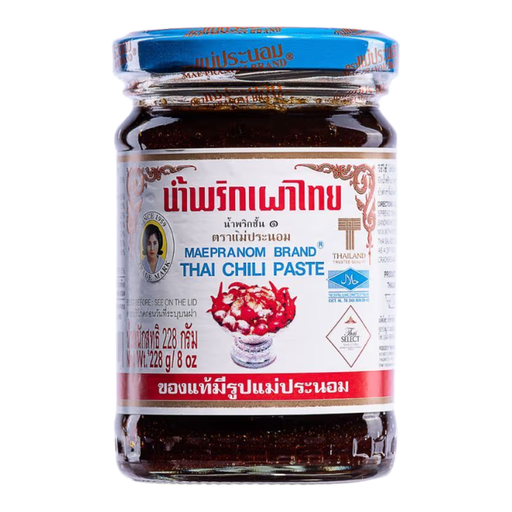
Why This Fits Their Persona: Designed for cooks who regularly prepare Thai-style curries, stir-fries, soups and marinades rather than occasional dipping.
The label identifies chilli at 45% and states that the paste should be fried before use, helping prevent unsuitable raw serving.
228g jar; includes garlic, shallot, galangal and lemongrass; contains shrimp, so check dietary suitability.
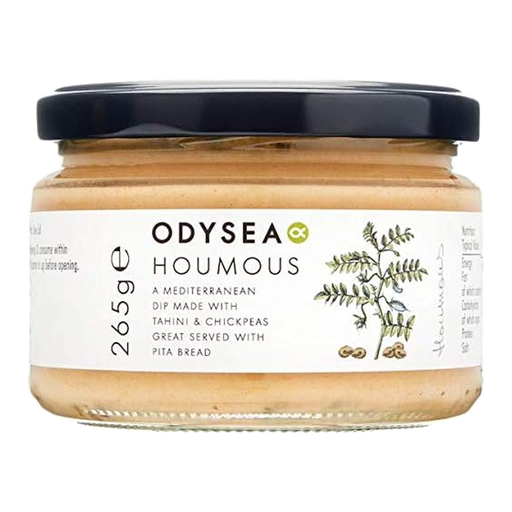
Why This Fits Their Persona: A ready-to-serve dip for packed lunches, picnics, vegetable sticks, wraps and quick snacks.
The storage instructions specify ambient storage before opening and refrigeration after opening, with use within 3 days.
265g jar; contains chickpeas, tahini and lemon juice; ready to eat; contains sesame.
We have compiled a complete, real-time list of products that fully satisfy these strict selection criteria and UK safety regulations.
Follow the individual label. Many preserves, pickles, olives and sauces require refrigeration after opening. Keep vegetables submerged in brine or oil where instructed, use clean utensils and observe the recommended consumption period.
Not automatically. Check the ingredients rather than relying on the product category. Mae Pranom Thai Chilli Paste contains shrimp paste, whereas some fruit conserves, gherkins and vegetable pickles may be suitable for vegetarians. Recipes and formulations can vary, so check each label before serving.
Ready-to-use products such as houmous, sushi ginger, gherkins, pickled cabbage, mango chutney and sliced jalapeños need little preparation. For cooking sauces and pastes, select a format suited to your regular meals and check whether it must be cooked before serving.