
24/7 Customer Support

Free returns

Same-day & Next-day Delivery

Quality Guaranteed

Unlock Your Welcome Offers: FREE Delivery | Up to 80% OFF | Free 30-day JoyPlus trial
Download the APP
Buying international groceries online can open up Japanese, Korean, European and other global flavours without travelling between specialist shops. However, attractive packaging and broad claims can make it difficult to compare products properly. Whether you are looking for world food online UK, Asian ingredients, fermented drinks or a versatile cooker, the product page should answer practical questions before you place an order.
A snack bar may look like a sensible lunchbox choice, while a fermented drink may appear to be a low-sugar alternative to fizzy drinks. The ingredient list and nutrition panel tell a more useful story. For example, Go Ahead Yoghurt Breaks Forest Fruit Snack Bars contain 12g of sugars per 35.5g bar, alongside milk, wheat and soya allergens. That does not make them unsuitable, but it does mean they should be assessed as a sweet snack rather than assumed to be a plain yoghurt-based food.
Similarly, Lipton Kombucha Mango & Passionfruit contains 11g of sugars per 250ml can, whereas the supplied nutrition information for Remedy Raspberry Lemonade lists 0g of sugars per 330ml can. Compare the actual serving size, not just terms such as “refreshing”, “natural” or “fermented”.
Some international foods are ambient products, while others require refrigeration or freezing. J-BASKET NATTO MINI is a refrigerated-style fermented soybean food, and Osato Kotsubu Natto must be kept below -18°C until thawed. After thawing, the stated guidance is to refrigerate and consume within five days.
A product that is suitable for a cupboard is more convenient for bulk ordering than one requiring immediate freezer space. Always check the storage instructions, best-before date and delivery conditions, particularly when buying global groceries delivery for a full household shop.
Marketing copy may suggest using a condiment straight from the tub, but the label remains the primary source for allergen and preparation information. Korean soybean paste and ssamjang sauce commonly contain soya and wheat; some varieties also include peanuts. Do not rely on a product image alone, as recipes and packaging can change.
For appliances, marketing statements about speed or convenience do not replace safe operation. Check capacity, electrical requirements, cleaning instructions and steam-release precautions before choosing an electric pressure multicooker.
UK food labels should provide ingredients in descending order by weight and highlight allergens. Look specifically for soybean, wheat, barley, milk, peanuts, mustard, celery and sesame, depending on the category.
For instance:
If you have an allergy or intolerance, inspect the latest product label supplied with the order rather than relying only on a retailer summary.
A 170g tub of ssamjang sauce may suit occasional Korean barbecue meals, while a 500g soybean paste tub is more practical for regular soups, marinades and stews. Natto multipacks can reduce the need to open a large container, but check the number and weight of individual portions.
For drinks, calculate the total volume and serving size. A four-pack of 330ml cans contains 1.32 litres, while a four-pack of 250ml cans contains one litre. This makes pack-size comparison more meaningful than comparing can counts alone.
Instant dry yeast should be stored unopened in a cool, dry place and transferred to an airtight container after opening, with refrigeration recommended in the supplied guidance. It is a cooking ingredient and should not be consumed raw.
For a pressure multicooker, prioritise:

Why This Fits Their Persona: A familiar UK cupboard staple for shoppers who want a compact, versatile spread rather than a specialist ingredient requiring complex preparation.
The product information clearly lists its high salt content of 10.8g per 100g and relevant allergens, helping buyers judge portions realistically.
250g jar; suitable for toast, crumpets, bagels and savoury dishes; no refrigeration required according to the supplied storage guidance.
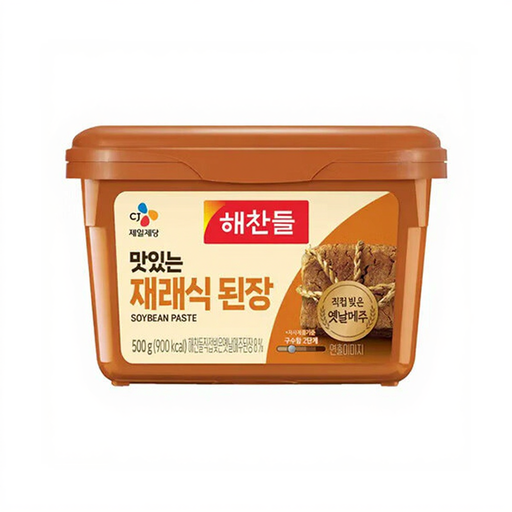
Why This Fits Their Persona: A larger Korean cooking staple for home cooks who regularly prepare doenjang jjigae, marinades, stir-fries or vegetable dips.
The 500g quantity makes frequent use easier to assess, while the listing identifies soybean and wheat allergens and advises refrigeration after opening.
Large tub; suitable for soups, stews, marinades and dips; product of South Korea.

Why This Fits Their Persona: Suitable for families, batch cooks and busy households wanting pressure cooking, rice, steaming, slow cooking, sautéing and yoghurt functions in one appliance.
The specifications state the capacity, functions, cleaning guidance and steam-release precautions, rather than relying only on convenience language.
5.7L ceramic non-stick inner pot; 14 preset programmes; stated 12 safety mechanisms; recipe book included.
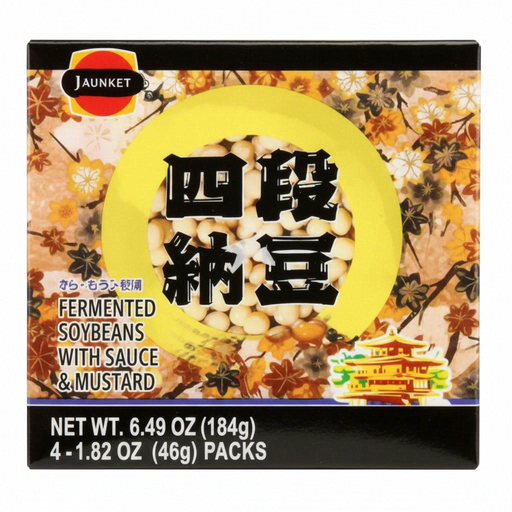
Why This Fits Their Persona: Individual portions suit shoppers discovering Japanese natto or adding small servings to rice-based meals.
The pack format makes portion planning straightforward, while the ingredients identify fermented soybeans and sauce allergens including wheat and mustard.
Four portions; sauce and mustard included; suitable for serving over hot rice after preparation.
We have compiled a complete, real-time list of products that fully satisfy these strict selection criteria and UK safety regulations.
Choose a retailer displaying ingredients, allergens, net quantity, storage advice and responsible-person details. For chilled or frozen foods, check how delivery is handled and follow the packaging instructions when the order arrives.
It depends on the product. Ambient spreads and dry yeast generally have longer storage periods when sealed correctly. Soybean pastes and ssamjang usually require refrigeration after opening, while thawed natto has a shorter recommended use period. Always follow the label rather than relying on a general rule.
No. Compare the nutrition panel per 100ml and per can. The supplied information ranges from 0g sugars per 330ml can for Remedy Raspberry Lemonade to 11g sugars per 250ml can for Lipton Mango & Passionfruit. “Fermented” does not, by itself, indicate a particular sugar level or nutritional suitability.