
24/7 Customer Support

Free returns

Same-day & Next-day Delivery

Quality Guaranteed

Unlock Your Welcome Offers: FREE Delivery | Up to 80% OFF | Free 30-day JoyPlus trial
Download the APP
Buying international food products online can open up new flavours, familiar cupboard staples and convenient ways to recreate traditional dishes. However, attractive packaging does not always tell you whether a product suits your recipe, dietary needs or household size.
This guide explains what to check before buying world foods UK shoppers commonly search for, including Asian food products, Filipino food products, Caribbean spices and seasonings, African spice blends, baking mixes, sweets and drinks.
Many cooking seasoning mixes are designed to be added to meat, vegetables, rice or soup rather than eaten alone. A product such as a tandoori or fried rice seasoning may require cooking, oil, yoghurt or additional ingredients.
Check the usage instructions and serving guidance before ordering. This helps you compare the true cost of a recipe rather than judging only by the packet price.
Spice blends and instant seasonings can contain a considerable amount of salt per 100g, while cake mixes and sweets may be high in sugar. This does not automatically make a product unsuitable, but it is useful information when planning regular meals.
Always read the ingredient list and allergen statement. Look for clearly identified allergens such as peanuts, sesame, soya, wheat, gluten, milk and sulphites. Products containing gelatine may also be unsuitable for some dietary preferences.
A product may be associated with a particular cuisine but still vary in heat, sweetness, texture or preparation method. For example, a tamarind soup mix is intended to create a sour soup base, while a tocino mix is primarily a sweet marinade.
Compare the flavour profile, intended use and country of origin with your planned dish. This is especially important when buying Filipino food products, African spice blends or Caribbean seasonings for the first time.
The ingredient list is more useful than front-of-pack descriptions. Check whether the blend contains salt, sugar, chilli, monosodium glutamate, peanuts or other ingredients you may wish to limit.
For example, AF Suya Pepper Mix lists ground peanuts and may be produced where wheat, celery, mustard and sesame are handled. Anyone with a peanut allergy should avoid it. Bestore Mixed Rice Seaweed Flakes contains sesame, so it needs separate consideration for allergen-aware households.
Under UK food labelling rules, allergens should be emphasised in the ingredients list. Still, product packaging can change, so check the label supplied with your order before use.
A small 25g seasoning sachet may be enough for several portions, whereas a 300g fry mix or 1kg sweets bag is intended for repeated use or sharing. Consider:
This is particularly relevant for cake mixes, bread mix, sweets and confectionery and large family packs.
Most dry international ingredients should be kept in a cool, dry place away from direct sunlight and moisture. Once opened, reseal the packet or transfer the contents to an airtight container to protect aroma and prevent clumping.
Products containing preserved fruit may require refrigeration after opening. Monika Halo Halo Fruit Mix, for example, should be transferred to a non-metallic airtight container, refrigerated and consumed within three days after opening.
For cooking mixes, follow the preparation instructions carefully. Rajah Tandoori Masala is intended to be mixed with yoghurt for marinating, while Lobo Oriental Fried Rice Seasoning Mix is designed for cooked and cooled rice. Dry seasoning powders should not be treated as ready-to-eat foods unless the packaging specifically says so.
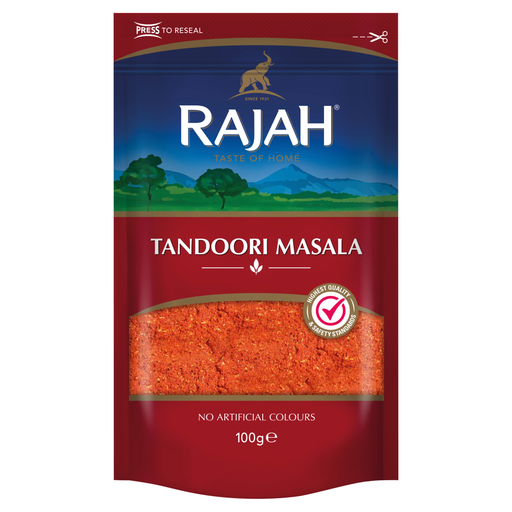
Why This Fits Their Persona: A practical starting point for UK home cooks who want to try Indian-style marinades without buying numerous individual spices.
The listing explains that it is a spice blend for cooking, not a ready-to-eat product. Its 100g size also provides a clear quantity for comparing recipe value.
Contains coriander, cumin, turmeric, chilli, garlic and other aromatic spices. Suitable for chicken, fish or vegetables when mixed into a marinade.
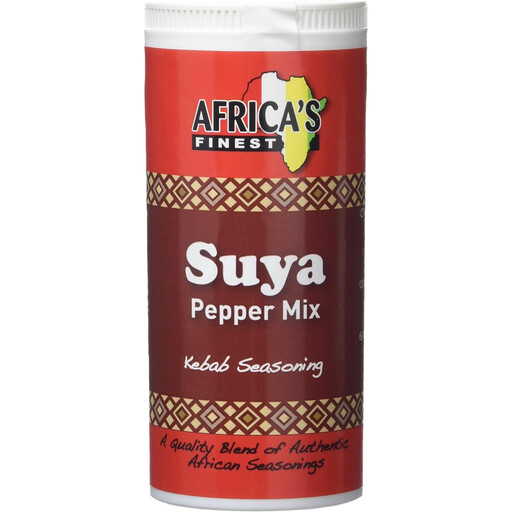
Why This Fits Their Persona: Suitable for cooks seeking a defined West African flavour profile for grilled foods, marinades and roasted vegetables.
The ingredients identify ground peanuts and the listing states that exact nutrition values should be checked on the pack. This makes allergen and label checking essential rather than optional.
Combines peanuts, cayenne, onion, garlic and paprika. The 100g pack is suitable for repeated seasoning use.
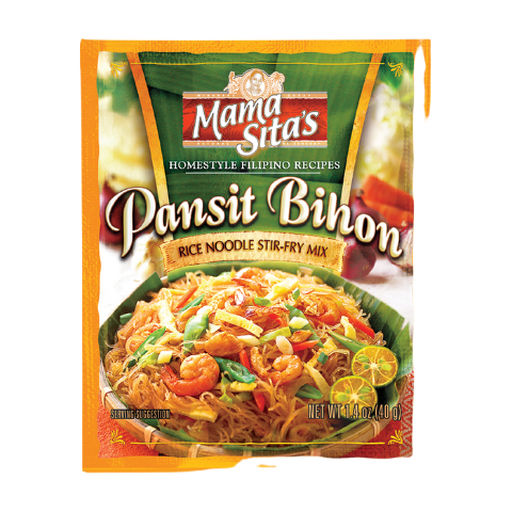
Why This Fits Their Persona: Designed for Filipino households, diaspora shoppers and home cooks preparing sour tamarind soup with meat, seafood or vegetables.
The product clearly states its hot tamarind soup purpose, country of origin and cooking requirement, so it is less likely to be bought as a general-purpose sauce.
Contains tamarind powder, tomato powder and chilli powder. One 50g sachet is convenient for portioning into a soup recipe.
For everyday cooking, Caribbean spices and seasonings such as Dunns River Mixed Spice can be used in marinades, curries and stews. Bart Baharat Spice Blend offers paprika, coriander, cumin, cinnamon and pepper for Middle Eastern-style meatballs or koftas.
For baking, Wrights White Bread Mix provides flour, dried yeast and seasoning components in a 500g pack. Cake mixes such as Betty Crocker Red Velvet and Devil’s Food Cake Mix are convenient options when you want a prepared base for home baking.
For drinks and snacks, NESCAFÉ Gold Blend Instant Coffee is a simple cupboard option, while Bestore seaweed flakes can be mixed with rice or noodles. Large packs of sweets, including SoSweet Fizzy Sweet Mix and Swizzels Big Party Mix, may suit parties, sweet jars and family sharing, but check allergens, gelatine and colour warnings before serving children.
We have compiled a complete, real-time list of products that fully satisfy these strict selection criteria and UK safety regulations.
You can buy international food products through specialist online retailers, world-food supermarkets and selected mainstream shops. Online category pages are useful for comparing pack sizes, ingredients, cuisines and preparation requirements in one place.
Keep unopened dry mixes in a cool, dry cupboard away from sunlight and moisture. Reseal opened packs or use airtight containers. Always follow the storage instructions on the packaging, particularly for preserved fruit mixes and products that require refrigeration after opening.
Some are, but suitability depends on the specific ingredients and manufacturing information. Check the label for allergens including peanuts, sesame, soya, wheat, gluten and sulphites. Product formulations can change, so review the packaging each time you buy.