
24/7 Customer Support

Free returns

Same-day & Next-day Delivery

Quality Guaranteed

Unlock Your Welcome Offers: FREE Delivery | Up to 80% OFF | Free 30-day JoyPlus trial
Download the APP
Shopping for international snacks in the UK can open up flavours that are difficult to find in a standard supermarket. However, attractive packaging and unfamiliar ingredients can also make comparison difficult. Whether you are looking for Asian snacks, Chinese snacks, Korean snacks, vegan treats or gluten-free biscuits, the product label matters more than the front-of-pack description.
This guide explains the common buying traps, the specifications worth checking and a few suitable options for different shopping needs.
“Plant-based”, “vegetarian” and “vegan” are not interchangeable. A vegetarian snack may contain dairy or egg, while a product described as plant-based may still contain soya, wheat or sesame. Cross-contact statements such as “may contain” are also important for people managing allergies.
For gluten-free shoppers, check the full ingredients list and the product’s specific gluten-free statement. For example, a wheat-free sweet is not automatically made in a gluten-free facility.
International snacks can use strong seasoning, sauces or sweet fillings. Nutrition panels are usually provided per 100g, but an individual pack may be much smaller or considerably larger. Compare the actual pack size, number of portions and salt or sugar values before deciding whether a multipack offers practical value.
A 300g sharing bag may suit a family, while individually wrapped snacks can make portioning and transport easier.
“Ready-to-eat” snacks are convenient, but frozen products such as Korean corn dogs and tornado potatoes require cooking. Check whether the item needs a freezer, air fryer, oven or microwave, and whether it must be consumed soon after opening.
This is particularly relevant when ordering snacks online: ambient products are easier to store, while frozen or chilled items may need prompt delivery and adequate freezer space.
Read the ingredient list every time, especially when buying unfamiliar Chinese snacks, Korean snacks or speciality sweets. Look for allergens highlighted in bold, including:
Those buying for babies should also check the recommended age and preparation guidance. For instance, a rice cake snack marked for 7 months+ is not suitable for younger babies, and children should be seated and supervised while eating.
Consider how the snack will be eaten. Crispbreads can work as a base for toppings, while seaweed snacks are usually eaten straight from their individual packets. Chewy vegetarian snacks may suit adult lunchboxes or travel, but they are not necessarily appropriate for young children.
For sharing, choose a larger bag or multipack. For commuting, picnics or packed lunches, individually wrapped ready-to-eat snacks are usually more manageable and help preserve texture.
Check the storage wording before adding an item to your basket:
These details can affect the real value of a product, particularly if you are buying several packs at once.
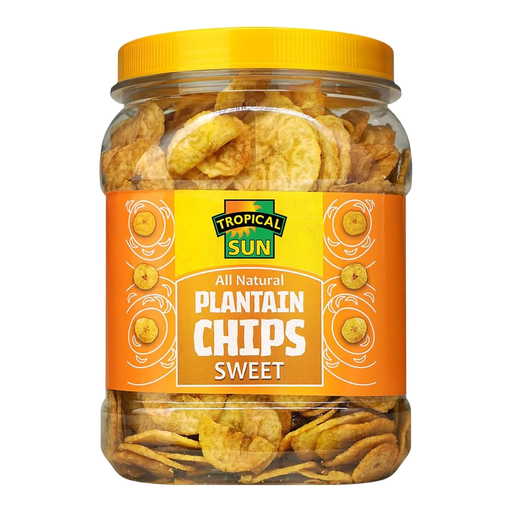
Why This Fits Their Persona: A large resealable tub gives newcomers a simple way to try a Caribbean-inspired snack for sharing, everyday snacking or adding crunch to dessert bowls.
The listing identifies a short recipe of partially ripened plantain and palm oil, rather than relying only on broad front-of-pack language.
450g resealable format; listed as ready to eat, vegan and gluten-free.

Why This Fits Their Persona: A neutral-tasting base suits shoppers who want a versatile gluten-free pantry item for breakfasts, lunches, canapés or snack plates.
The product information specifies gluten-free status and lists ingredients and allergens clearly, helping shoppers check suitability before purchase.
Made with corn flour, rice flour and psyllium fibre; 150g pack with a crisp texture suitable for sweet or savoury toppings.

Why This Fits Their Persona: Twenty individually wrapped 18g packs are convenient for desks, travel, sharing or anyone who regularly reaches for spicy Chinese snacks.
The multipack format makes the serving quantity transparent, while the label identifies soya and wheat allergens and a salt value of 3.2g per 100g.
Ready to eat; individually sealed; includes konjac flour, chilli and Sichuan pepper seasoning.
The wider range includes seaweed snacks in individual sesame-seasoned packs, vegetarian cumin or soy-sauce-flavoured snacks, and plant-based steak-style products. For sweet choices, consider vanilla wafers, dark chocolate and coconut biscuit breaks, vegan fruit sweets or Thai desserts such as coconut ice sticks with Thai tea flavour.
Families may prefer Organix Apple Rice Cake Clouds, which are labelled for children aged 7 months and above. Always follow the pack’s supervision and serving guidance. Those looking for frozen Korean-style street food can compare plant-based corn dogs or tornado potatoes, but should check cooking instructions and freezer capacity first.
For a broader selection of vegan snacks, including plant-based, vegetarian and selected international options, browse the category below.
We have compiled a complete, real-time list of products that fully satisfy these strict selection criteria and UK safety regulations.
You can compare pack sizes, ingredients, allergens and storage requirements through UK online retailers offering speciality food ranges. Search by the type of snack, such as Asian snacks, seaweed snacks or plantain chips, then confirm the complete product information before ordering.
Some are, but suitability varies by recipe and manufacturing information. Look for a clear vegan or vegetarian statement and check for milk, egg, fish, soya, sesame and “may contain” notices. A product marketed as vegetarian is not necessarily vegan.
Follow the product label. Ambient sweets, biscuits and savoury snacks generally need a cool, dry place, while frozen desserts and prepared snacks must remain at the stated freezer temperature. Reseal opened crispy products and consume them promptly to help maintain texture.