
24/7 Customer Support

Free returns

Same-day & Next-day Delivery

Quality Guaranteed

Unlock Your Welcome Offers: FREE Delivery | Up to 80% OFF | Free 30-day JoyPlus trial
Download the APP
Buying international sweets and candy online can be a convenient way to discover Japanese sweets, Asian candy and imported confectionery without visiting specialist shops. However, attractive packaging and unfamiliar flavours can make it difficult to compare products properly.
A sensible purchase starts with more than flavour. Check the country of origin, ingredient list, allergen information, pack size and intended use before adding a product to your basket.
Fruit flavour does not automatically mean vegan, vegetarian or free from animal-derived ingredients. Many gummy sweets contain gelatine, while some hard candy may contain milk, soya or other allergens. For example, several Japanese gummy products use animal gelatine, and the Amos Peelerz range contains pork gelatine.
If dietary suitability matters, read the full ingredients and allergen statement on the product page and packaging. Look for clear terms such as vegan, but still check the “may contain” information.
A 900g bag may appear economical, but it may not suit a household that wants occasional treats or a gift-ready presentation. Conversely, small novelty packs can cost more per 100g and may not stretch far at a party.
Compare net weight, number of individually wrapped pieces and the likely occasion. A multi-pack can be useful for lunchboxes or party bags, while a sealed tin or larger assortment may be more appropriate for sharing.
Hard candy is designed to dissolve slowly, whereas gummy sweets require chewing. Neither is automatically suitable for young children. Some products include specific age guidance or choking warnings, and children should be seated and supervised while eating.
Imported sweets can also soften, stick or melt if stored in heat or moisture. Check the best-before date, keep packs in a cool, dry place and reseal opened bags where the packaging allows.
UK shoppers should check the complete label before consumption, particularly when buying for children, parties or people with allergies. Common ingredients to look for include:
For imported products, ensure the packaging or product information provides relevant UK-facing allergen details and a responsible business address where applicable. Always treat the physical pack as the final reference if information differs online.
Choose the format that matches how the sweets will be used:
For a sweets gift box, consider presentation, individual wrapping and flavour variety. For parties or regular sharing, compare bulk sweets by price per 100g and whether the pack can be resealed.
Some products are individually wrapped, such as Kopiko coffee candy and Chun Guang coconut candy. Others are supplied in bags intended to be opened and enjoyed soon after opening. Cotton candy, for instance, can lose its airy texture when exposed to moisture, so it is more suitable for immediate consumption.
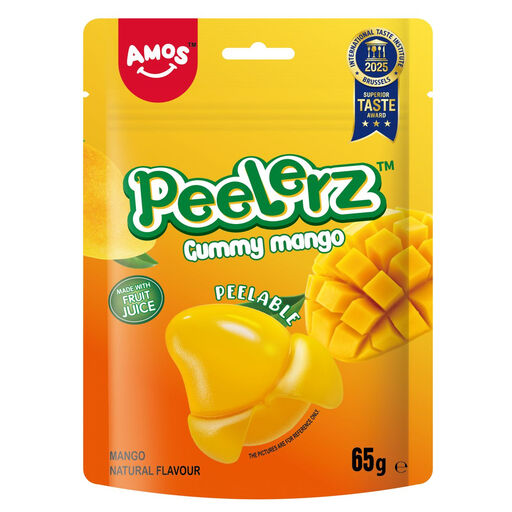
Why This Fits Their Persona: The 65g peg bag offers a smaller way to try an unusual Asian candy format without committing to a large assorted sweets pack. The peelable design adds an interactive element for family snacking, subject to the stated age guidance.
The pack size is clearly stated, and the ingredients identify pork gelatine and possible milk and sulphites, helping buyers avoid assumptions about dietary suitability.
Peelable two-texture format; mango flavour; ready to eat from the pack.
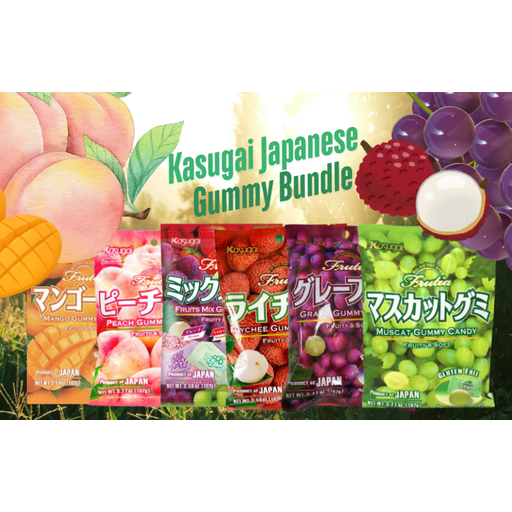
Why This Fits Their Persona: Shoppers who want to compare Japanese sweets can explore several fruit profiles, including peach, lychee, mango, muscat and grape, rather than selecting a single flavour.
The flavour-by-flavour ingredient information highlights gelatine and differing allergen details, so variety does not obscure the need to check each product.
Multiple fruit flavours; products made in Japan; useful for tasting and sharing.
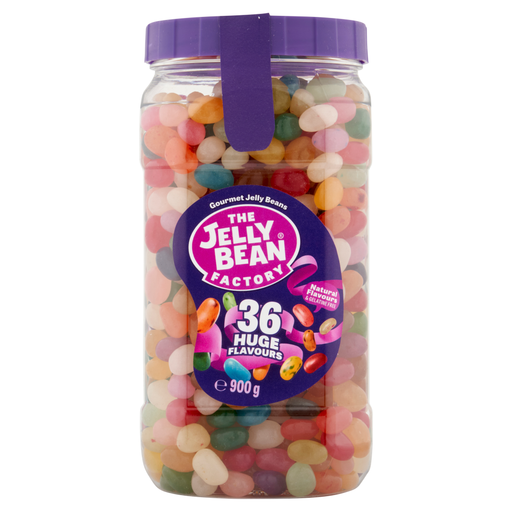
Why This Fits Their Persona: The 900g format suits office jars, parties, family sharing and shoppers looking for bulk sweets rather than a single-serve purchase.
The substantial net weight makes the intended sharing use clear, while the gluten-free ingredient information helps with one common dietary filter. Check the pack for the full allergen statement.
36 listed flavours; 900g pack; suitable for sharing and party bowls.
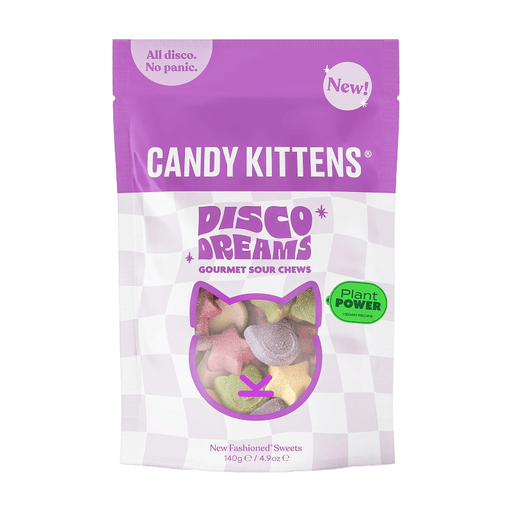
Why This Fits Their Persona: This option is designed for shoppers seeking vegan sweets with sour fruit flavours and a UK-made product.
The product information identifies plant-based ingredients and pectin, while also noting possible milk, nuts, peanuts and sesame. That distinction matters for allergy planning.
Vegan product description; five sour fruit flavours; 140g sharing pack.
We have compiled a complete, real-time list of products that fully satisfy these strict selection criteria and UK safety regulations.
Japanese sweets, Asian candy, fruit-flavoured sweets, coffee candy and nostalgic sweets are common choices. Gummy sweets work well for informal sharing, while hard candy and individually wrapped products are practical for travel or office use. A mixed bundle can help you compare flavours before buying larger packs.
Suitability depends on the product, texture, ingredients and the child’s ability to chew and swallow safely. Hard candy and gummy sweets can present choking risks. Follow the age guidance on the packaging, supervise young children and check allergen information before serving.
Most sweets should be kept sealed in a cool, dry place away from direct sunlight and heat. Reseal gummy and chewy sweets after opening to reduce moisture loss or stickiness. Cotton candy should generally be eaten soon after opening because humidity can affect its texture. Always follow the storage instructions and best-before date printed on the pack.